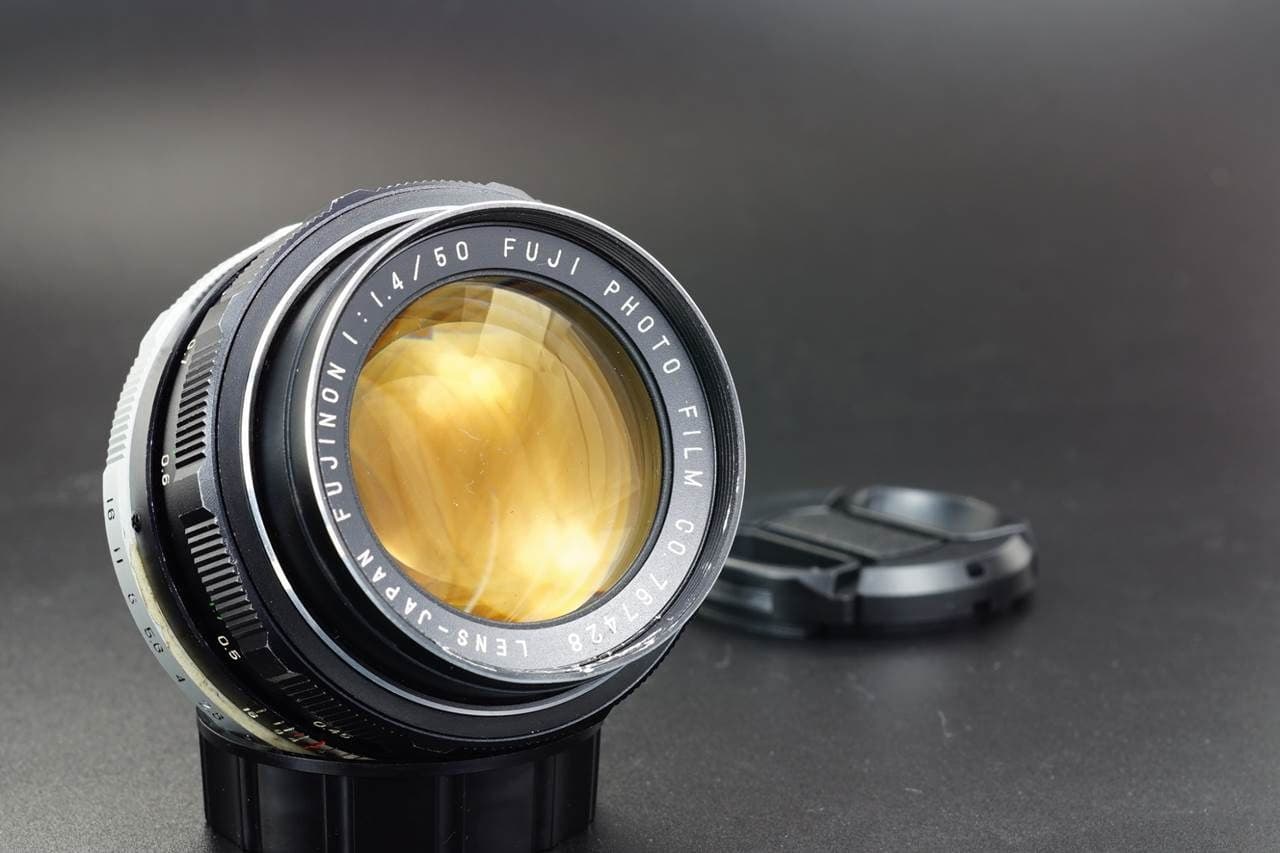
A manual-focus lens is a film-era lens you focus and stop down entirely by hand — no motors, no electronics, just glass and metal engineered to last half a century. Photographers seek them out in the digital age for one reason: rendering. The bokeh, colour, and glow that modern autofocus designs deliberately correct away, at a fraction of the price of new glass.
Why shoot manual in the autofocus age
Older optical formulas corrected aberrations less aggressively, and the side effects once called flaws became inimitable character: the swirling backgrounds of a Helios, the soap-bubble highlights of a Trioplan, the melted backgrounds of a fast 1970s 50mm. Beyond the look, you get all-metal build that outlives its owner and prices that hold — good vintage glass resells for close to what you paid.
Which cameras can use them
Every mirrorless system — Sony E, Fujifilm X, Nikon Z, Canon RF, Micro Four Thirds — takes vintage lenses via a simple mechanical adapter costing a few hundred baht. No glass inside, so image quality is untouched. Manual focusing on a modern body is far easier than people expect: focus peaking outlines whatever is sharp in colour as you turn the ring. See the adapter guide for beginners, or start from the biggest ecosystem of all, M42.
How to buy well — the 5 things to check
Condition is everything on a 50-year-old lens, and a below-market price usually hides its reason somewhere photos don't show.
- Haze — a faint cloudy layer inside the glass that flattens contrast; visible only with a torch shone through the lens.
- Fungus — branching filaments that spread and permanently etch coatings.
- Oily aperture blades — make the iris sluggish or stuck; the repair usually costs more than the discount.
- Stiff or loose focus — dried grease; only a CLA service brings the buttery feel back.
- Originality — swapped parts and mismatched serials hurt both function and collector value.
Those five points are exactly why LensSeed grades every lens on three axes (optical 50% / mechanical 30% / cosmetic 20%) with every flaw disclosed before you buy — see how we grade and the full grading guide. Every lens ships with a QR-verifiable Certificate of Provenance & Condition and a 90-day warranty.
Which lens should be your first
The safe answer is a 50–58mm prime at f/1.4–f/2: plentiful, affordable, fast enough to melt backgrounds, and more forgiving to focus than a telephoto. The classic first picks are the Helios 44-2 58mm f/2 (swirly bokeh for pocket money) and the Super Takumar 55mm f/1.8 (sharp centre, gentle edges, legendary M42 colour). Already know the look you want? Start from our character & mount map.
Checklist before you pay
- Ask for a torch-through-the-glass photo (haze/fungus check) — or buy where defects are disclosed in writing.
- Confirm the aperture blades are dry and snappy at every f-stop.
- Turn focus end to end: smooth and even, no gritty spots.
- Match the lens mount to your adapter and camera before ordering.
- Always ask about warranty and after-sales policy before transferring money.