Production
1958 – 1995
Country
Soviet Union
Optical
6 elements in 4 groups (Biotar type)
Updated
Jul 16, 2026
M42 · 58mm · f/2
Production
1958 – 1995
Country
Soviet Union
Optical
6 elements in 4 groups (Biotar type)
Updated
Jul 16, 2026
Born in the Soviet Union as a direct copy of the Carl Zeiss Jena Biotar 58mm f/2, the Helios 44-2 became one of the most produced lenses in history — over 20 million units. What started as Cold War industrial espionage became a beloved cult classic. The KMZ factory in Krasnogorsk churned these out from the 1950s through the 1990s, and they found their way into the hands of photographers worldwide through military surplus sales and eBay. The original Biotar design dates to 1936, making this optical formula nearly 90 years old — yet it remains one of the most sought-after vintage lenses today.
Verdict: This is the best value in vintage glass. Period. It won't replace your clinical modern lenses, but it'll make you fall in love with photography again. Perfect for portraits, creative work, music videos, and anyone who thinks 'perfect' is boring. The swirl is not guaranteed in every shot — learn its conditions. Buy a good copy, accept its flaws, and it'll reward you with images no modern lens can produce.
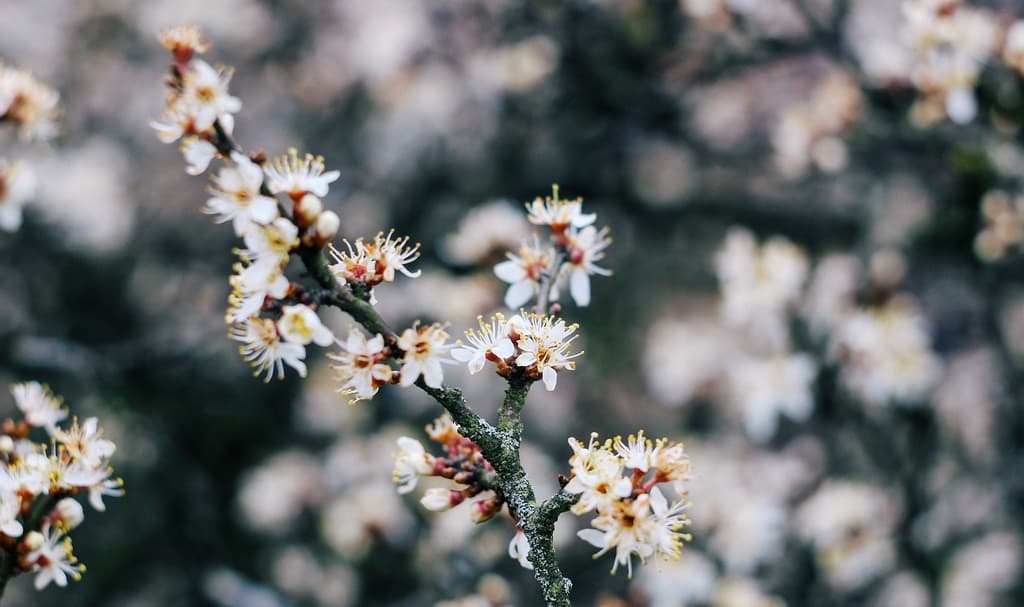
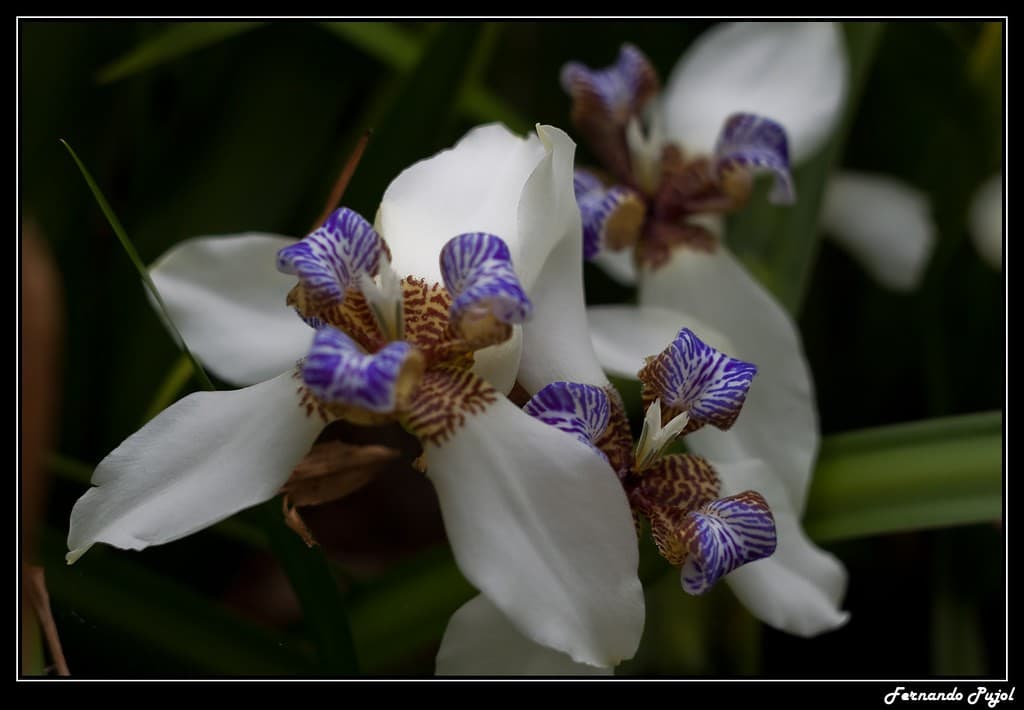
The community regards the Helios 44-2 58mm f/2 as a beloved, character-rich vintage lens frequently recommended as a first vintage lens choice. Enthusiasts highlight its distinctive rendering, including dreamy flares and swirly bokeh, which give it a unique visual signature. Despite its unremarkable f/2 maximum aperture, it is praised for performing well wide open without needing to be stopped down. Some note that its strong character can occasionally be "too much" for everyday shooting.
Real adapters from our shop that fit this lens mount.
Standard · ฿325 · In stock
Standard · ฿325 · In stock
Standard · ฿325 · In stock
Standard · ฿325 · In stock
Standard · ฿540 · In stock
Standard · ฿540 · In stock
Standard · ฿540 · In stock
Standard · ฿540 · In stock
Standard · ฿540 · In stock
Standard · ฿1,250 · In stock
Standard · ฿890 · Out of stock
Standard · ฿890 · Out of stock
This is the best value in vintage glass. Period. It won't replace your clinical modern lenses, but it'll make you fall in love with photography again. Perfect for portraits, creative work, music videos, and anyone who thinks 'perfect' is boring. The swirl is not guaranteed in every shot — learn its conditions. Buy a good copy, accept its flaws, and it'll reward you with images no modern lens can produce.