Production
1964 – 1972
Country
Japan
Optical
6 elements in 4 groups, single coated, auto diaphragm, f/1.8-f/16 in 1/2-stop increments.
Updated
Jul 8, 2026
M42 · 55mm · f/1.8
Production
1964 – 1972
Country
Japan
Optical
6 elements in 4 groups, single coated, auto diaphragm, f/1.8-f/16 in 1/2-stop increments.
Updated
Jul 8, 2026
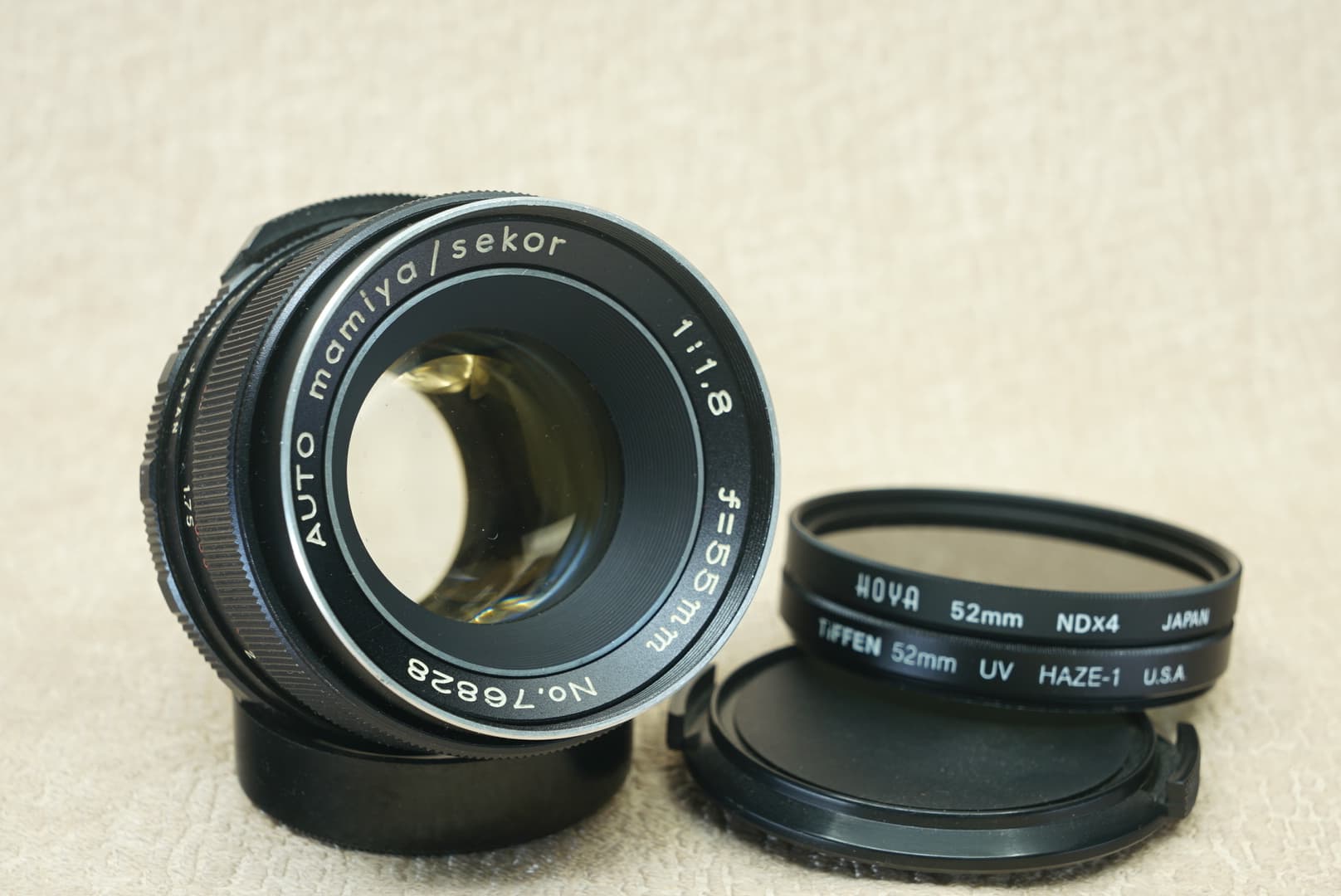
The Mamiya/Sekor 55mm f/1.8 was one of two standard kit lenses offered for Mamiya's TL/DTL series 35mm SLR cameras, spanning from the mid-1960s through the early 1970s. It sits within Mamiya's broader optical pedigree—a company that built its reputation on rugged, well-corrected glass, including the C330S TLR line referenced by one reviewer. Two barrel styles exist: earlier versions have bright trim rings, while later versions are painted black. The source of manufacture is typically attributed to Mamiya/Sekor, though there are reports of production by Tomioka, and the lens bears a strong physical resemblance to some Komine lenses of the same vintage. Contemporary reviews from Photography magazine in 1967 and 1968 (Arthur Palmer and Ron Spillman) praised its bench performance: excellent edge quality, outstanding contrast, negligible focus shift on stopping down, and only a minute degree of coma at the extreme edges. No established nickname or jargon term applies to this specific lens. Importantly, this non-SX version is confirmed non-radioactive—its typical Mamiya brown/yellow coating is NOT an indicator of radioactivity (though the larger f/1.4 sibling IS radioactive, and some SX versions are as well). Its cult following today rests on being an undervalued, cheap-but-characterful vintage standard lens that is sharp enough to be usable wide open on modern digital bodies, with 'bags of character' according to reviewers.
Verdict: The Mamiya/Sekor 55mm f/1.8 is a superb, undervalued vintage standard lens for photographers who want genuine character without sacrificing sharpness. It delivers outstanding contrast and detail—even wide open—alongside creamy bokeh and a subtle three-dimensional pop, all in a solid all-metal body. It suits portrait, travel, and general shooting, and it's an especially attractive choice for those who value the tactile, deliberate experience of manual focus and want a classic look straight out of the lens. Buyers seeking this specific rendering should confirm they're getting the non-SX, non-radioactive f/1.8 version.
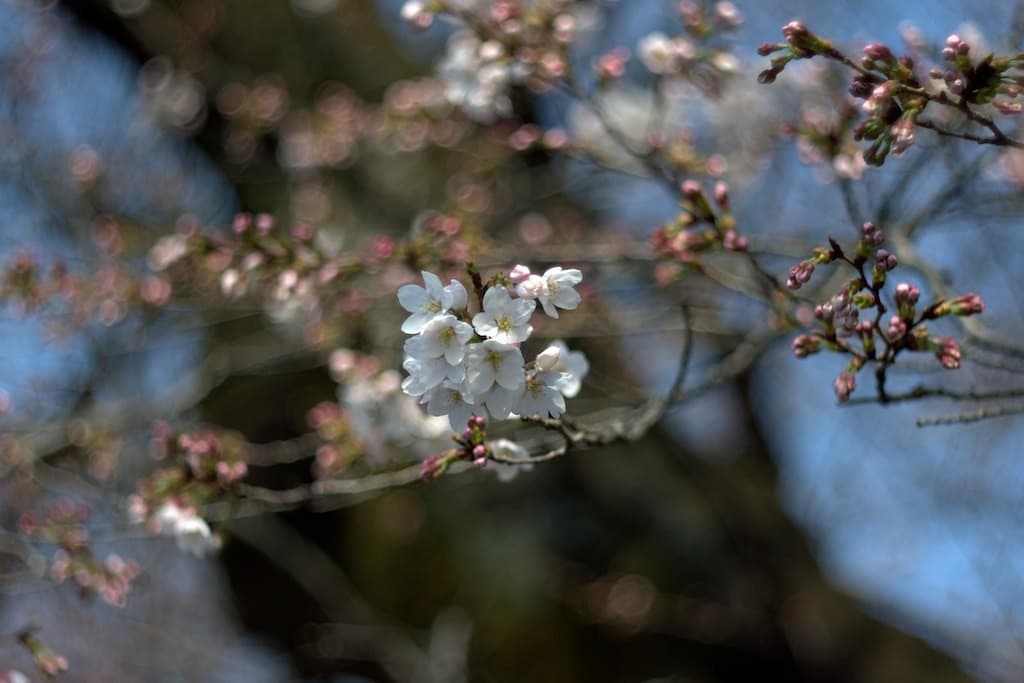
Creamy and characterful wide open at f/1.8, with no swirl or bubble effects claimed.
Warm-leaning rendering with soft color transitions, tied to the typical Mamiya brown/yellow single coating.
Very high sharpness with excellent edge quality, usable wide open and becoming remarkably sharp stopped down.
Outstanding global contrast with strong micro-contrast producing abundant detail.
Real adapters from our shop that fit this lens mount.
Standard · ฿325 · In stock
Standard · ฿325 · In stock
Standard · ฿325 · In stock
Standard · ฿325 · In stock
Standard · ฿540 · In stock
Standard · ฿540 · In stock
Standard · ฿540 · In stock
Standard · ฿540 · In stock
Standard · ฿540 · In stock
Standard · ฿1,250 · In stock
Standard · ฿890 · Out of stock
Standard · ฿890 · Out of stock
The Mamiya/Sekor 55mm f/1.8 is a superb, undervalued vintage standard lens for photographers who want genuine character without sacrificing sharpness. It delivers outstanding contrast and detail—even wide open—alongside creamy bokeh and a subtle three-dimensional pop, all in a solid all-metal body. It suits portrait, travel, and general shooting, and it's an especially attractive choice for those who value the tactile, deliberate experience of manual focus and want a classic look straight out of the lens. Buyers seeking this specific rendering should confirm they're getting the non-SX, non-radioactive f/1.8 version.