Production
-
Country
-
Optical
8 elements in 8 groups
Updated
Jul 16, 2026
Canon FD (also sold in Nikon, Minolta, Pentax K, Yashica) · 28mm · f/3.5
Production
-
Country
-
Optical
8 elements in 8 groups
Updated
Jul 16, 2026
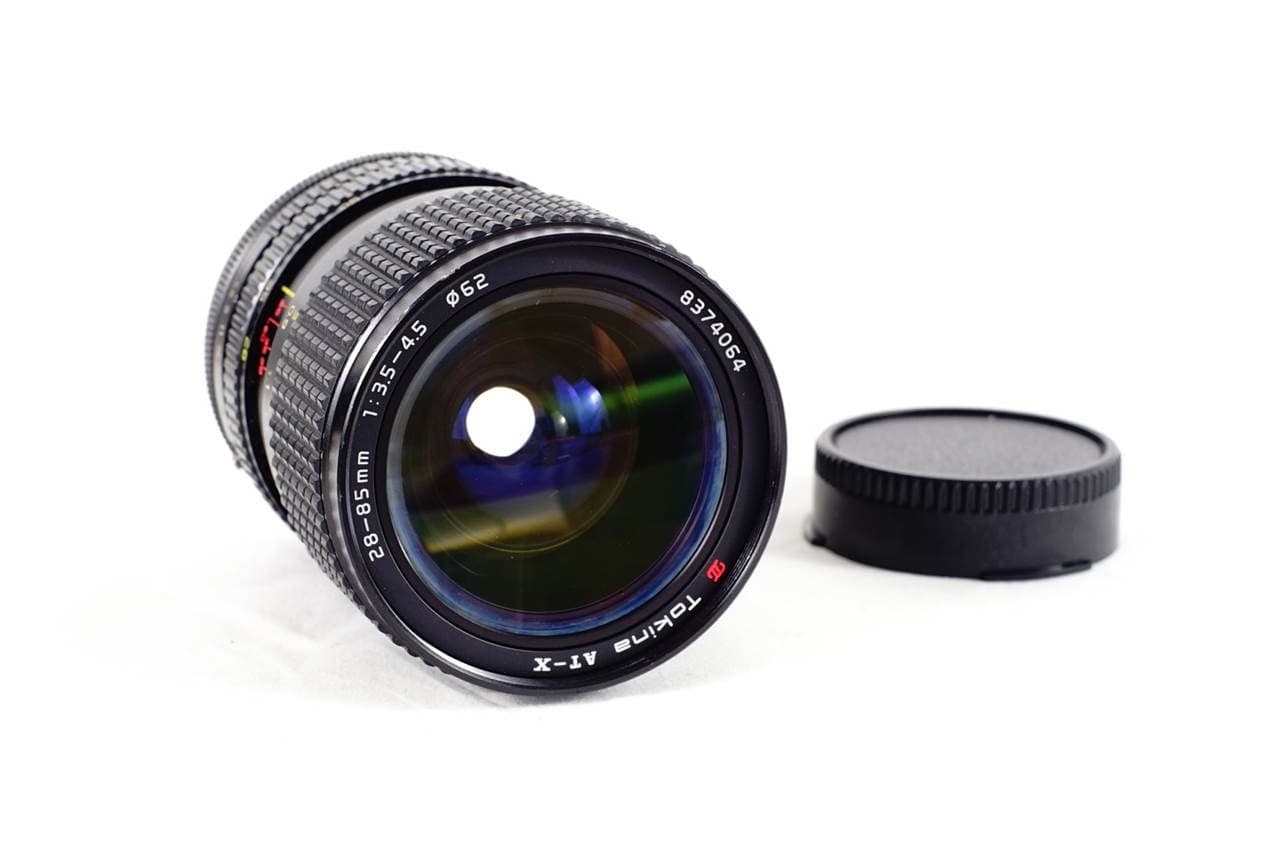
The Tokina SD 28-70mm f/3.5-4.5 emerged from a generation of compact, budget-friendly mid-range zooms designed in the 1980s and 1990s to 'live on your camera all day.' Sold across multiple mounts including Canon FD, Nikon, Minolta, Pentax K, and Yashica, it positioned itself as a workhorse alternative to brand-name zooms and a sensible upgrade from a basic kit prime. The 'SD' in its name refers to Tokina's use of Super Low Dispersion glass elements, aimed at reducing chromatic aberration and improving sharpness across the zoom range. In the Pentax variant (marketed as the SZ-X 270 SD MF 28-70mm F3.5-4.5), the lens paired naturally with its 70-210mm twin, and reviewers who used it in film days describe it warmly as 'a little gem.' No established nickname or cult jargon exists for this lens in the sources; it is remembered as an affordable, portable, honest performer rather than a legend. Its modest appeal today comes from its compact size, tactile manual-focus handling, pleasing contrast, and characterful vintage flare that some digital and video shooters actively seek out.
Verdict: The Tokina SD 28-70mm f/3.5-4.5 is a charming, honest, and inexpensive vintage walk-around zoom that rewards deliberate manual-focus shooting. Its strong center sharpness, pleasing contrast, and natural (slightly cool) colors make it a delightful single-lens companion on film or adapted mirrorless bodies—provided you can accept its soft, chromatic-aberration-prone edges. It's ideal for travel, street, documentary, and casual close-ups on a budget, and for video shooters who value its vintage flare. Pixel-peepers chasing edge-to-edge sharpness on high-resolution sensors should look elsewhere.
Moderate bokeh; 6-blade diaphragm produces hexagonal highlights, 'not too bad' at f/3.5 and 70mm.
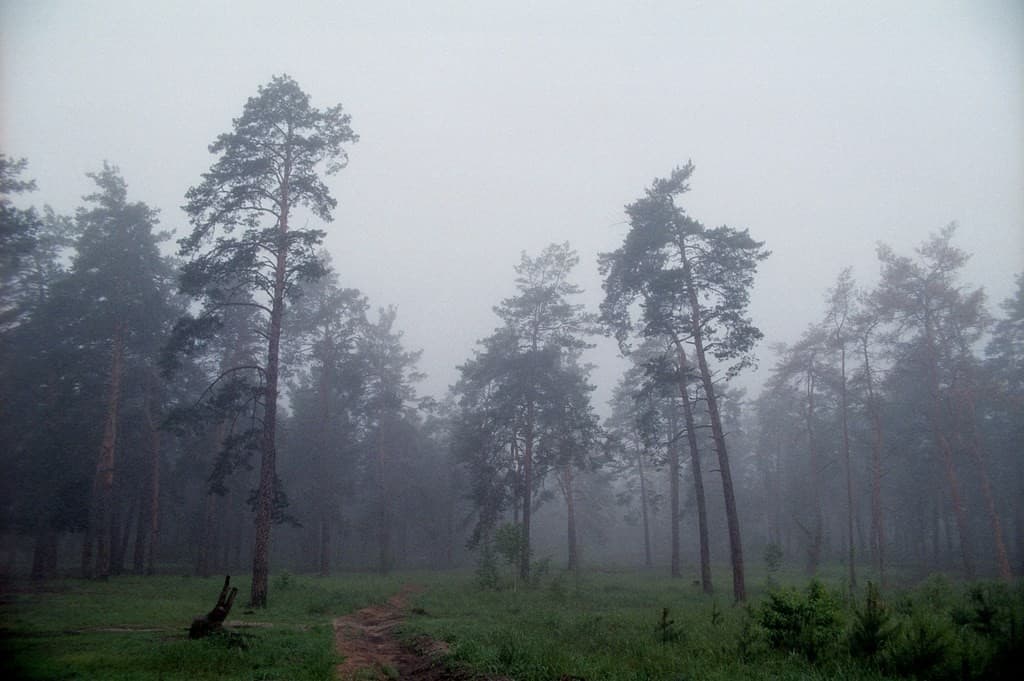
Natural, somewhat cool/cold colors with pleasing overall rendition.
Centers good to very good at all focal lengths, optimal around f/8; edges vague and weakest at 28mm, best at 50mm.
Coatings maintain contrast in backlight, but the design produces characteristic vintage flare some shooters seek out.
Good, contrast-forward global contrast that reviewers repeatedly praise.
The Tokina SD 28-70mm f/3.5-4.5 is a charming, honest, and inexpensive vintage walk-around zoom that rewards deliberate manual-focus shooting. Its strong center sharpness, pleasing contrast, and natural (slightly cool) colors make it a delightful single-lens companion on film or adapted mirrorless bodies—provided you can accept its soft, chromatic-aberration-prone edges. It's ideal for travel, street, documentary, and casual close-ups on a budget, and for video shooters who value its vintage flare. Pixel-peepers chasing edge-to-edge sharpness on high-resolution sensors should look elsewhere.