Production
1960
Country
USSR
Optical
-
Updated
Jul 4, 2026
Leica Screw (L39) · 52mm · f/2.8
Production
1960
Country
USSR
Optical
-
Updated
Jul 4, 2026
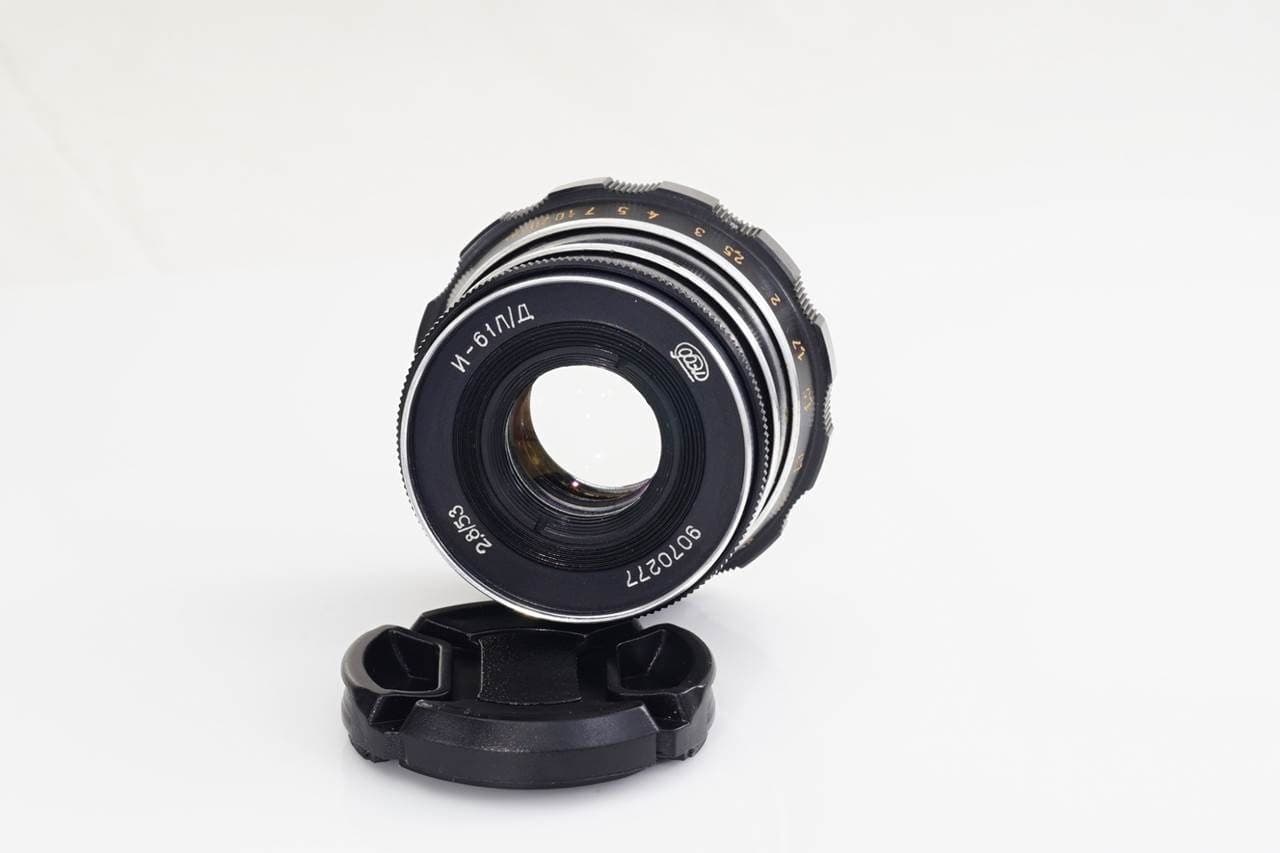
The Industar 52mm f/2.8 (found in variants such as the Industar-61 and Industar-26M) was the standard prime that came bundled with Soviet FED rangefinder cameras in the early 1960s, according to the reviews. It is one of a broad family of Industar lenses produced in the USSR. The reviewers position it primarily as an affordable, plentiful, and historically interesting lens rather than a top-tier performer — one collector notes he considers Industars worth acquiring 'because they make for interesting and unique collection items' rather than strictly for photographic purposes. Matt Osborne found his Industar 26M attached to a 1950s FED-2 rangefinder in an antique shop in Ukraine for less than £10, and paired it with a Leica M9 via an M-to-LTM adapter. Part of the appeal cited is that older Soviet lens coatings are 'said to give more natural colours,' which is why some shooters seek them out for skin tones. The reviews do not mention any established nicknames for this lens. Its cult following, such as it is, stems from its low cost, compact rangefinder-era size that pairs well with modern mirrorless cameras, attractive chrome-and-black enamel finishes on some variants, and its role as an accessible entry point into vintage Soviet glass.
Verdict: The Industar 52mm f/2.8 is a cheap, compact, fairly sharp Soviet standard prime best suited to collectors and curious shooters who want an affordable, characterful entry into vintage glass — especially those adapting it to Leica M or mirrorless bodies for natural-colour portraits and street work. It is a fun, low-risk lens rather than a serious professional tool.
Older Soviet coatings are said to give more natural colours, useful for skin tones.
Described as fairly sharp for a compact rangefinder standard prime.
The Industar 52mm f/2.8 is a cheap, compact, fairly sharp Soviet standard prime best suited to collectors and curious shooters who want an affordable, characterful entry into vintage glass — especially those adapting it to Leica M or mirrorless bodies for natural-colour portraits and street work. It is a fun, low-risk lens rather than a serious professional tool.