Production
1984 – 1987
Country
-
Optical
12 elements, 9 groups
Updated
Jul 4, 2026
Pentax K · 80mm · f/4.5
Production
1984 – 1987
Country
-
Optical
12 elements, 9 groups
Updated
Jul 4, 2026
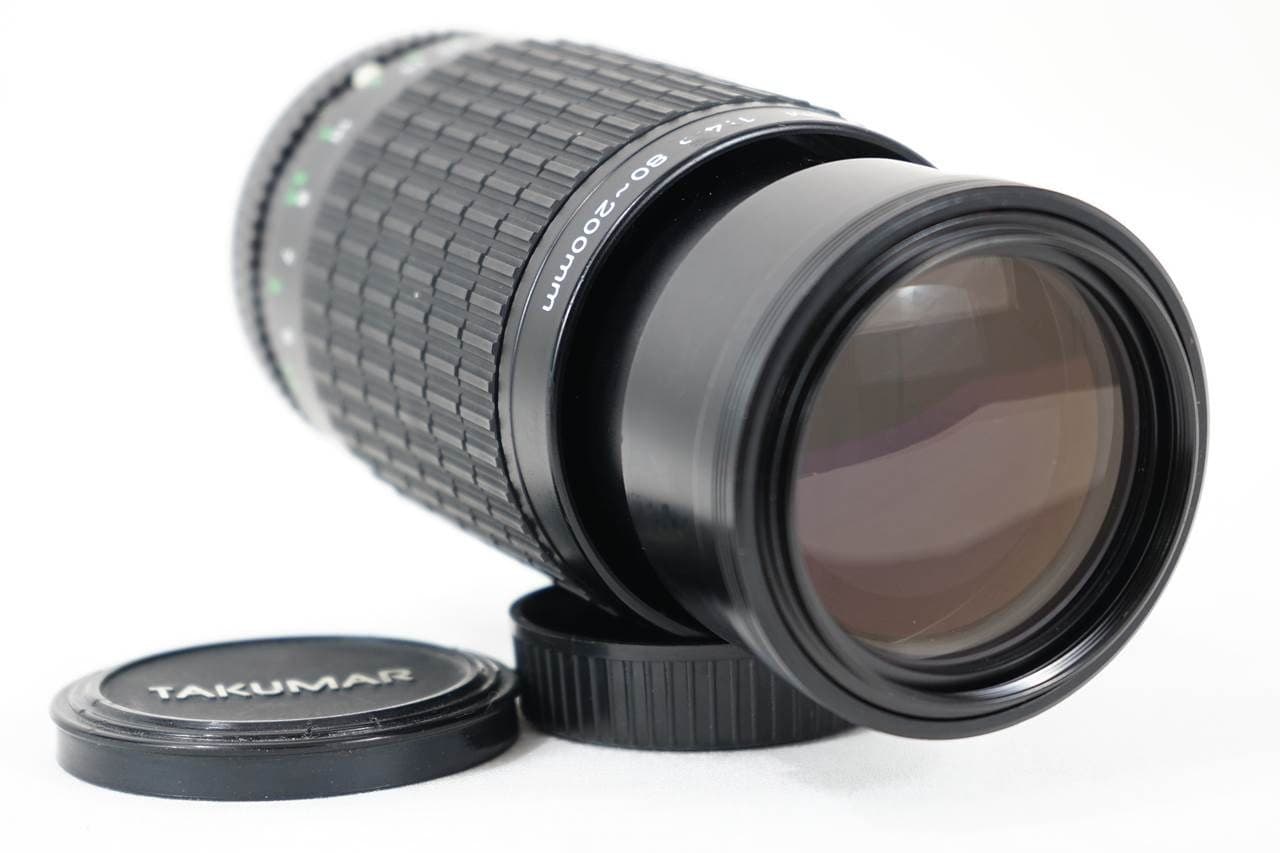
The Takumar 80-200mm f/4.5 Bayonet is a non-SMC coated version of the second-generation Pentax-M 80-200mm zoom, produced from 1984 to 1987 for the Pentax K mount. It was also marketed under the CPC Phase 2 branding. Positioned as a rugged, affordable telephoto zoom, it employs a one-touch (push-pull) zoom design and a 12-element, 9-group optical formula. Reviewers describe it as a reliable, well-built workhorse; one long-time owner recounts picking it up in college and using it for newspaper and mission-trip photography, praising its rugged construction and reliable performance. It carries no established nicknames or community jargon, and its cult following, if any, is modest and rooted in its dependable handling and strong bokeh rather than mythologized rendering. The broader Takumar line is celebrated for warm tones, natural contrast, and characterful rendering, though this specific bayonet-mount zoom lacks the SMC multicoating of the more famous M42 Takumars.
Verdict: The Takumar 80-200mm f/4.5 Bayonet is a rugged, reliable telephoto zoom best suited to photographers who value dependable build quality and pleasing bokeh over cutting-edge coatings. As an affordable non-SMC alternative in the Pentax K lineup, it appeals to budget-conscious vintage shooters and those seeking a durable manual-focus telephoto for portraits and general work.
Highly praised bokeh (community score 8.5, one reviewer 10/10) supported by the 8-blade diaphragm.
Rated well overall at 8.3 community average, with one reviewer scoring sharpness a 9.
The Takumar 80-200mm f/4.5 Bayonet is a rugged, reliable telephoto zoom best suited to photographers who value dependable build quality and pleasing bokeh over cutting-edge coatings. As an affordable non-SMC alternative in the Pentax K lineup, it appeals to budget-conscious vintage shooters and those seeking a durable manual-focus telephoto for portraits and general work.