Production
-
Country
USSR (Soviet Union)
Optical
4 elements in 3 groups (Tessar type)
Updated
Jul 16, 2026
M42 · 50mm · f/2.8
Production
-
Country
USSR (Soviet Union)
Optical
4 elements in 3 groups (Tessar type)
Updated
Jul 16, 2026
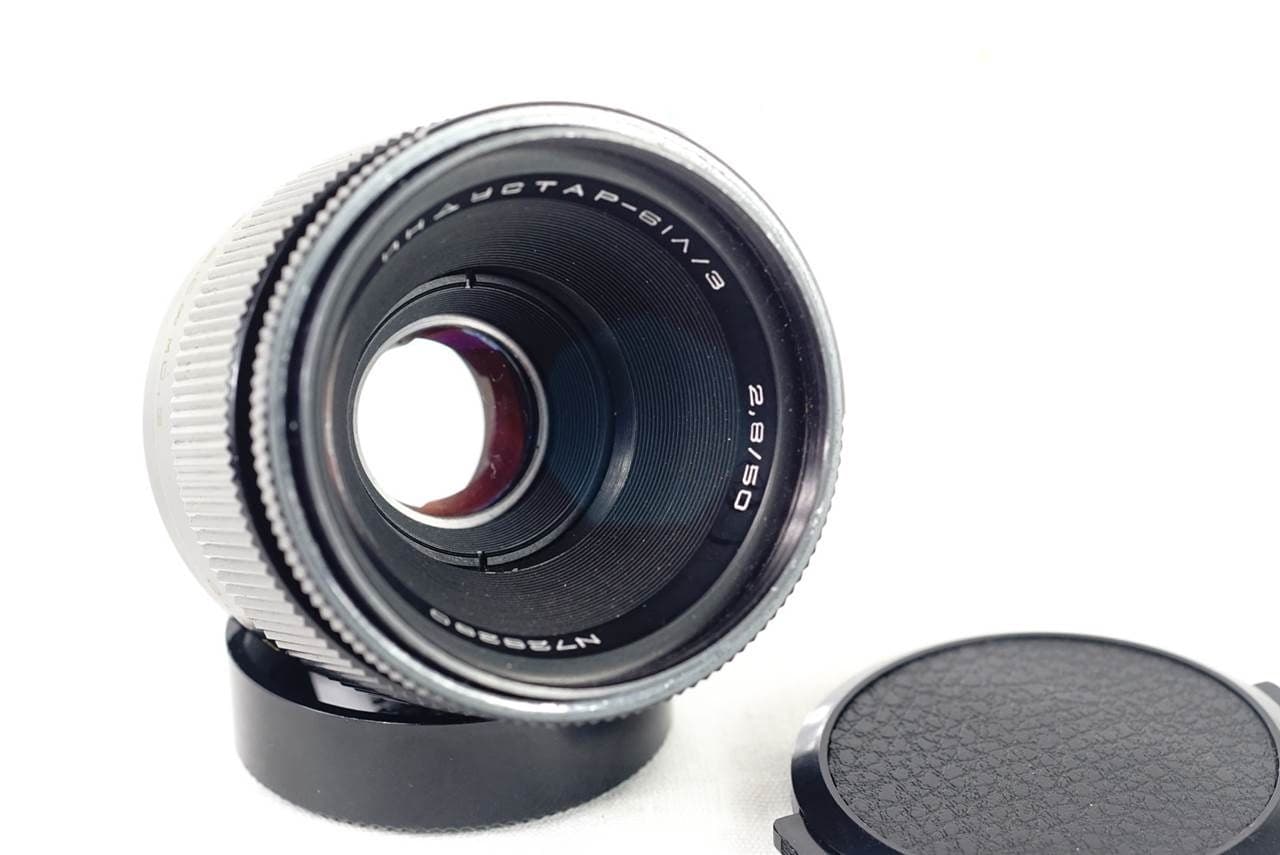
The Industar-61 L/Z MC 50mm f/2.8 is a Soviet-era manual-focus standard lens produced primarily in the 1970s and 1980s, designed for M42 screw-mount SLRs like the Zenit series. It is based on the classic 4-element/3-group Tessar optical design, offering a Soviet interpretation of that legendary formula. The lens became especially popular in Japan around 2017, where prices rose sharply because it was prized for producing distinctive 'Star Bokeh' — out-of-focus highlights that render as star shapes thanks to its 6-blade stepless diaphragm. Only certain versions produce this effect; reviewers note that copies bearing the '-MC' designation are the ones with the star-shaped aperture. It has earned a cult following among vintage lens enthusiasts for its blend of Tessar sharpness, close-focusing versatility, affordability, and quirky character. No established nickname beyond the descriptive 'Star Bokeh' term is evidenced in the reviews.
Verdict: The Industar-61 L/Z MC 50mm f/2.8 is a cult favorite Soviet Tessar that rewards those seeking sharp, characterful images and the unmistakable star-shaped bokeh at night. It's an affordable, versatile all-purpose lens ideal for enthusiasts who enjoy manual shooting, close-up work, and creative illumination photography — provided they secure a copy with the star-shaped aperture.
Distinctive star-shaped bokeh at mid-apertures from the 6-blade stepless diaphragm on the MC version.
Praised for sharpness, especially center sharpness, excellent when stopped down to f/5.6–f/8.
Some copies suffer flare in backlit scenes, though the recessed front element helps mitigate it.
Generally good, but some copies suffer low contrast especially in backlit scenes.
The Industar-61 L/Z MC 50mm f/2.8 is a cult favorite Soviet Tessar that rewards those seeking sharp, characterful images and the unmistakable star-shaped bokeh at night. It's an affordable, versatile all-purpose lens ideal for enthusiasts who enjoy manual shooting, close-up work, and creative illumination photography — provided they secure a copy with the star-shaped aperture.