Production
1954
Country
USSR
Optical
Based on the Carl Zeiss Jena Flektogon 35mm f/2.8 optical formula.
Updated
Jul 4, 2026
M42 (also produced in M39 Leica screw mount) · 37mm · f/2.8
Production
1954
Country
USSR
Optical
Based on the Carl Zeiss Jena Flektogon 35mm f/2.8 optical formula.
Updated
Jul 4, 2026
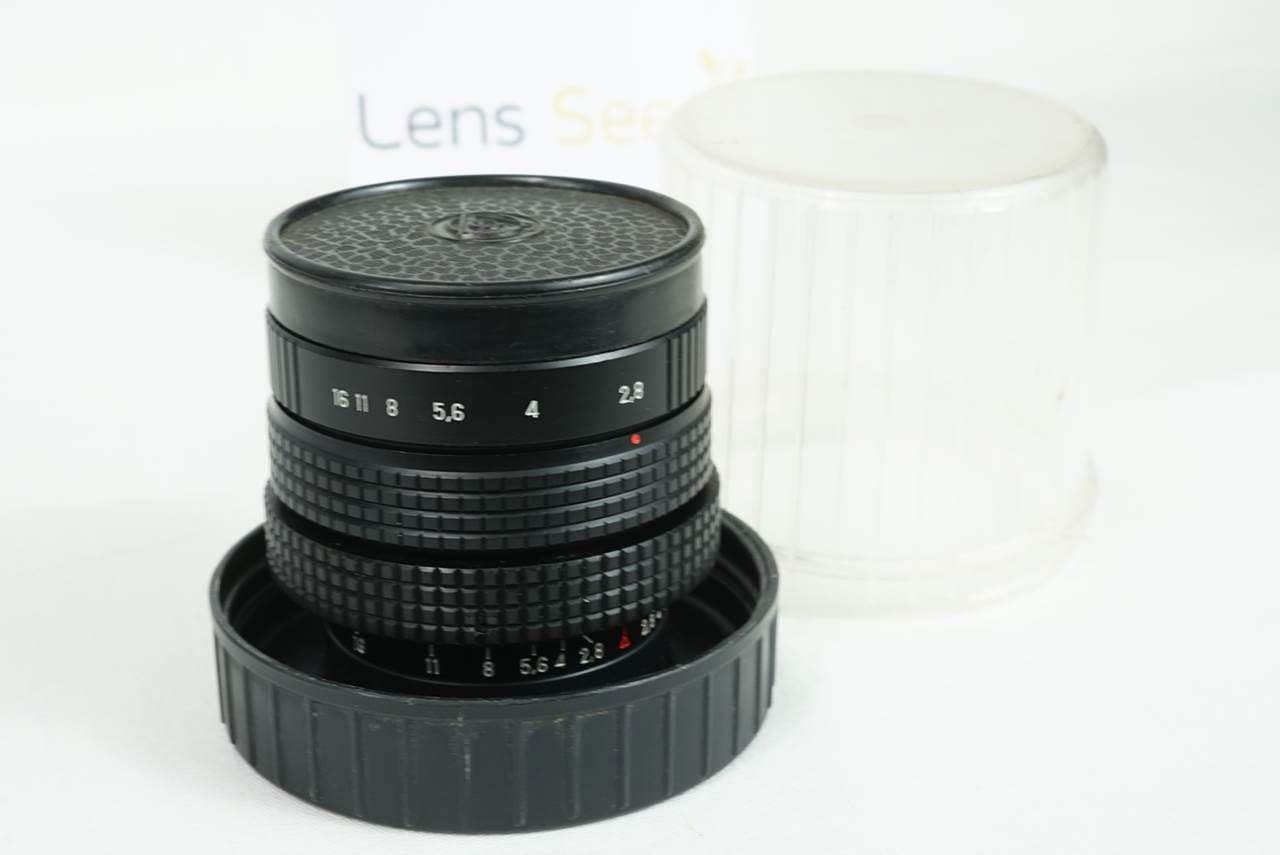
The Mir-1 37mm f/2.8 is a Soviet wide-normal lens whose production began in 1954 in the USSR, the same manufacturing heritage that produced the celebrated Helios 44-2. Rather than being a straight clone, its optical formula was based on the Carl Zeiss Jena Flektogon 35mm f/2.8, giving it Zeiss-derived rendering at a fraction of the cost. In 1958 the Mir-1 was awarded a prestigious Grand-Prix at the Brussels World Fair, and Soviet pride ran so deep that essentially every Mir-1 made after 1958 carries the 'Grand Prix Brussels 1958' inscription engraved on the barrel — this is NOT a marker of a rare or limited edition, simply a standard commemorative inscription that appears on the vast majority of copies. The lens was produced in both M39 (Leica screw) and the more common M42 mounts, with an early Leica Screw Mount version made for the first Russian SLRs. No established nickname is evidenced in the reviews. It enjoys a cult following among both video shooters and portrait photographers because of its unusually cine-friendly mechanics, its characterful and quirky rendering, and its bargain price, often under $50.
Verdict: The Mir-1 37mm f/2.8 is a bargain Soviet gem built on a Carl Zeiss Flektogon-derived formula, ideal for videographers and portrait shooters who want character over clinical sharpness. Its step-less aperture, 270-degree focus throw and 10 rounded blades make it unusually cine-friendly, while its swirly, quirky bokeh, dreamy softness and remarkable flares give it a distinctive artistic signature. For under $50 it's a hard-to-beat entry into characterful vintage glass — just don't expect modern-grade sharpness wide open.
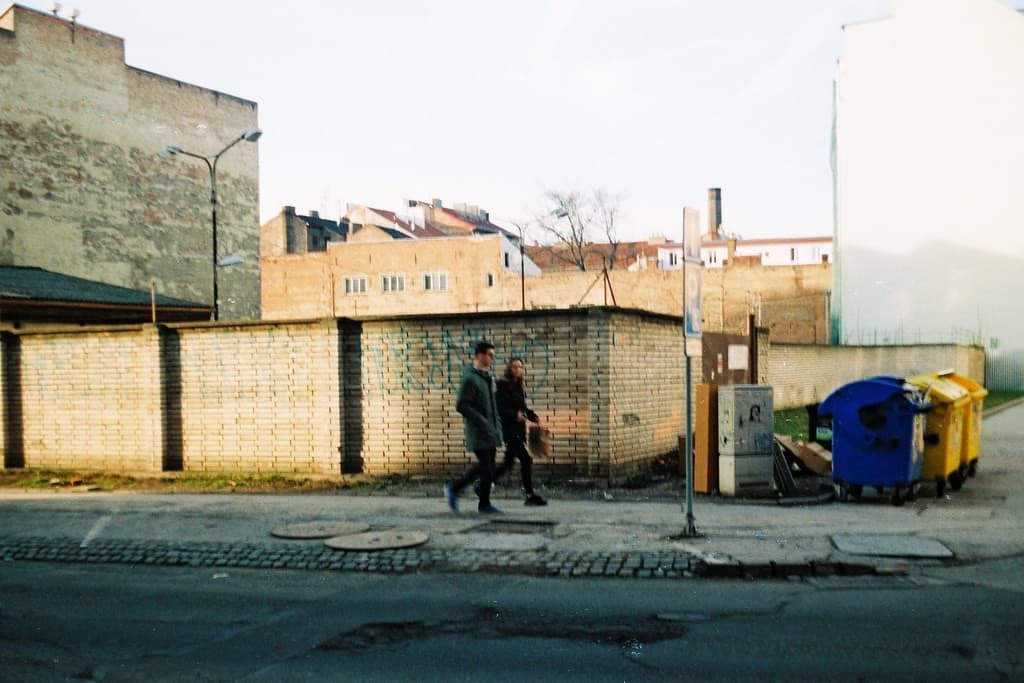
Distinctively swirly and quirky, staying round even when stopped down thanks to 10 aperture blades.
Not razor-sharp by modern standards; offers pleasing softness, with best performance stopped down a stop or more.
Produces pronounced, artistically striking flares when pointed toward light sources.
The Mir-1 37mm f/2.8 is a bargain Soviet gem built on a Carl Zeiss Flektogon-derived formula, ideal for videographers and portrait shooters who want character over clinical sharpness. Its step-less aperture, 270-degree focus throw and 10 rounded blades make it unusually cine-friendly, while its swirly, quirky bokeh, dreamy softness and remarkable flares give it a distinctive artistic signature. For under $50 it's a hard-to-beat entry into characterful vintage glass — just don't expect modern-grade sharpness wide open.