Production
1973 – 1979
Country
Japan
Optical
-
Updated
Jul 4, 2026
Konica AR · 50mm · f/1.7
Production
1973 – 1979
Country
Japan
Optical
-
Updated
Jul 4, 2026
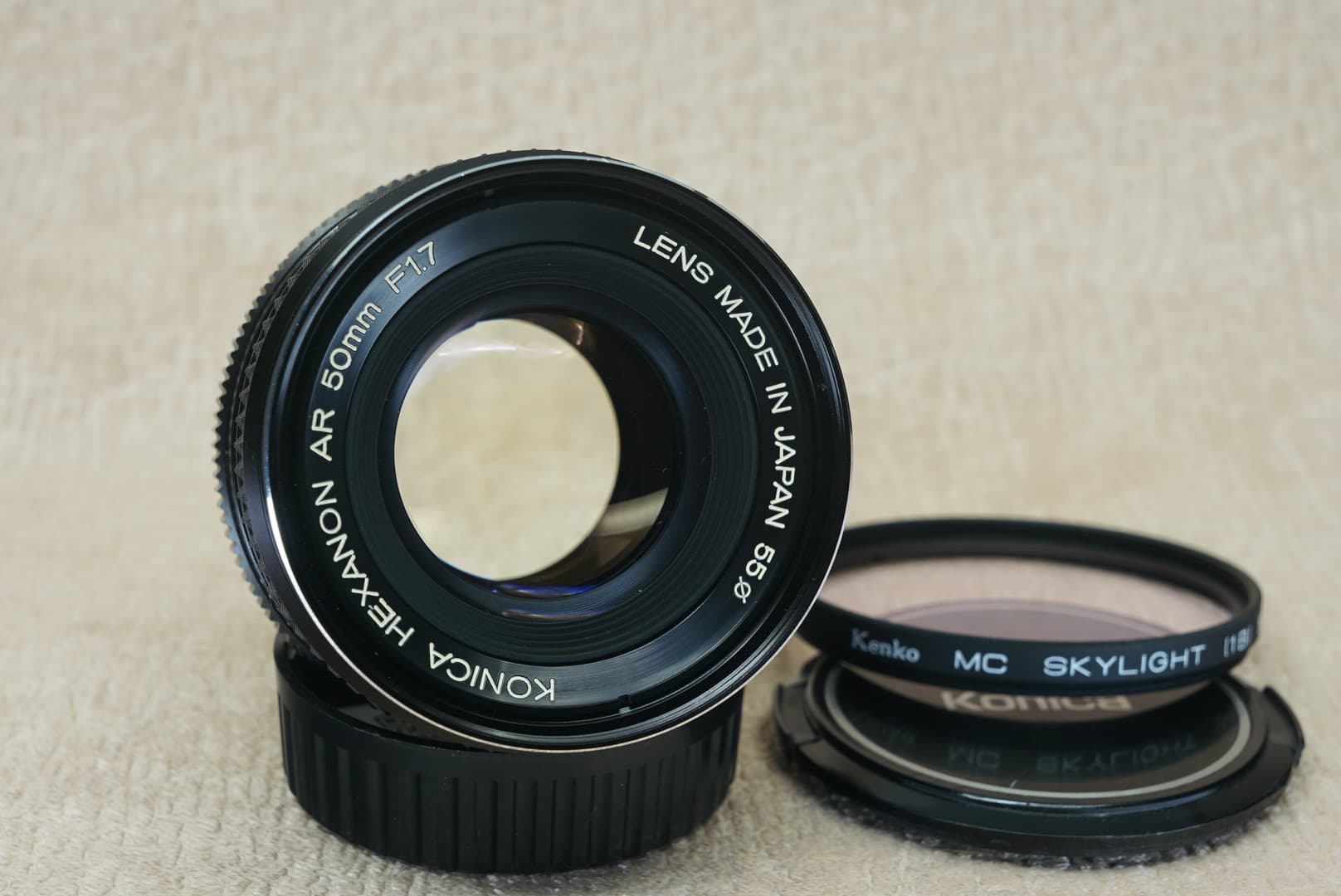
The Konica Hexanon AR 50mm f1.7 debuted in 1973 as the standard lens fixed to the front of Konica's Autoreflex T3 SLR, the successor to the T2. It quickly gained a reputation for its optical performance, particularly its sharpness. When Konica released the smaller, lighter Autoreflex TC in 1976 to compete with newer, more compact offerings, they updated the lens accordingly: it was made smaller and lighter, its closest focusing distance grew from 45cm to 55cm, and aperture half-stops were removed. Importantly, the optical quality was said to remain the same. Production of this second version continued until 1979, when the FS-1 camera arrived with a 40mm f1.8 pancake, after which Autoreflex TCs shipped with that new glass instead. Within the Hexanon lineup, the 50mm f1.7 was the entry-level, budget-priced standard lens, sitting alongside the faster 50mm f1.4 and the iconic 57mm f1.2. Despite being the slowest of the three, reviewers consider it the sharpest and an outright excellent performer with arguably the best price/performance ratio in the Hexanon range. Konica Hexanons historically lagged behind other vintage lenses in popularity because their short flange distance made them difficult to adapt to DSLRs without optical adapters; the rise of mirrorless cameras (like the Canon EOS R) removed this barrier and revived interest. No established nicknames are evidenced in the reviews.
Verdict: The Konica Hexanon AR 50mm f1.7 is an ideal first vintage 50mm for anyone on a budget who wants sharp, contrasty results without spending much. It rewards mirrorless shooters with excellent center sharpness even wide open and great subject separation, at the cost of a somewhat clicky aperture and a six-blade diaphragm that betrays hexagonal highlights when stopped down. For price-conscious photographers seeking one of the best value vintage primes, it's a fine, well-built performer.
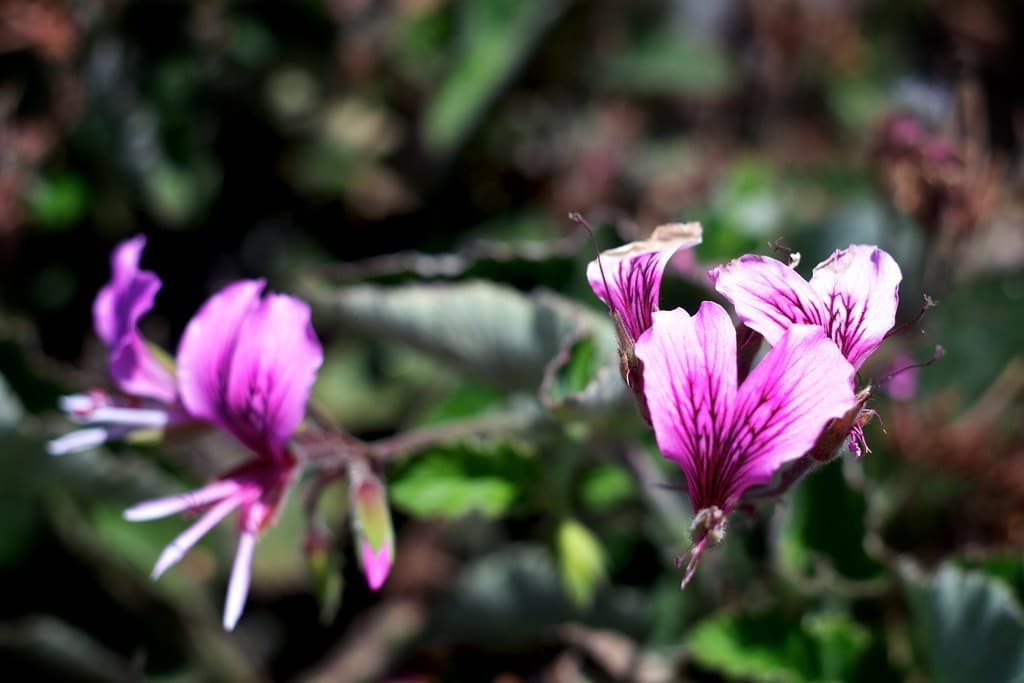
Excellent subject separation, but the six-blade aperture produces distracting hexagonal highlights when stopped down.
Sharp even wide open in the center, considered the sharpest of Konica's 50mm/57mm trio, improving markedly from about f2.8.
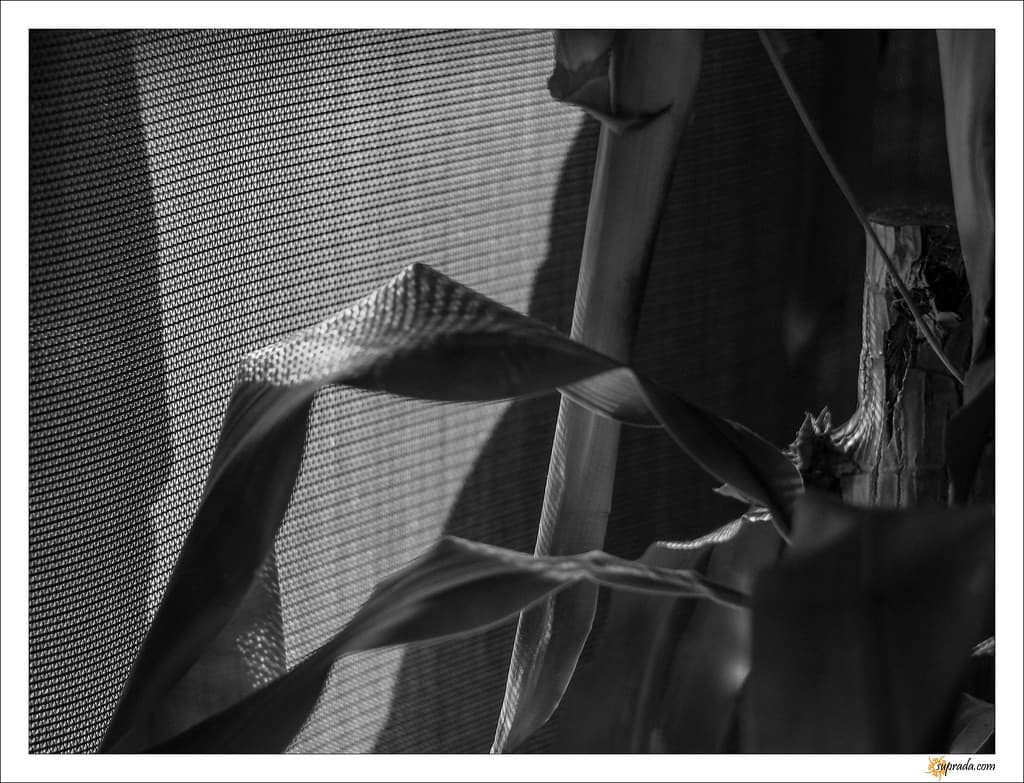
High global contrast; images described as contrasty and sharp.
Real adapters from our shop that fit this lens mount.
Standard · ฿540 · In stock
Standard · ฿540 · In stock
Standard · ฿540 · In stock
The Konica Hexanon AR 50mm f1.7 is an ideal first vintage 50mm for anyone on a budget who wants sharp, contrasty results without spending much. It rewards mirrorless shooters with excellent center sharpness even wide open and great subject separation, at the cost of a somewhat clicky aperture and a six-blade diaphragm that betrays hexagonal highlights when stopped down. For price-conscious photographers seeking one of the best value vintage primes, it's a fine, well-built performer.