Production
2004
Country
-
Optical
Uses a floating group and a rare glass in element 3 to minimize secondary color aberration; effectively apochromatic.
Updated
Jul 1, 2026
Leica M (requested Leica R does not match sources) · 50mm · f/1.4
Production
2004
Country
-
Optical
Uses a floating group and a rare glass in element 3 to minimize secondary color aberration; effectively apochromatic.
Updated
Jul 1, 2026
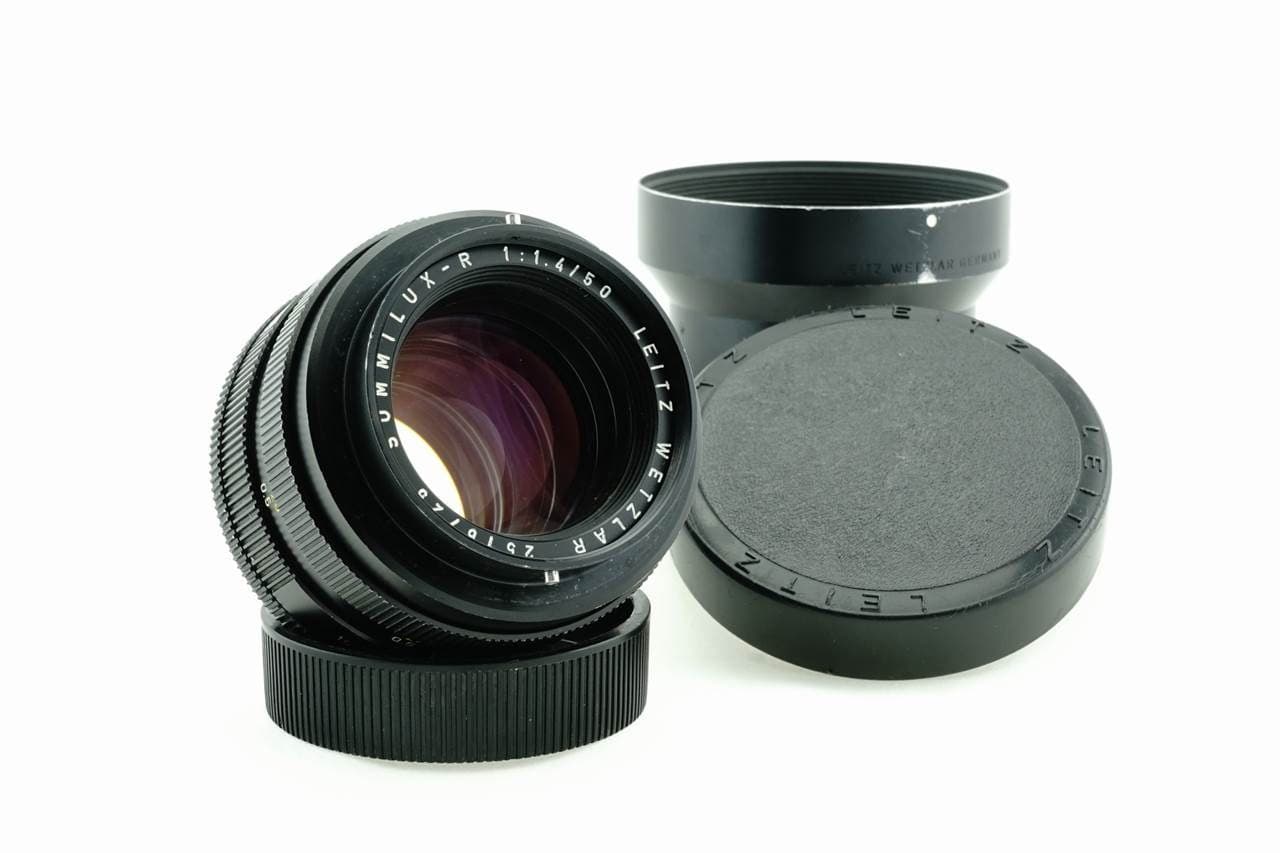
The reviews here center on the Leica Summilux-M 50mm f/1.4 ASPH, a rangefinder-mount lens that became one of Leica's most celebrated 50mm optics. According to Jack Takahashi's review, the lens was released in 2004, before digital M cameras even existed (the Leica M8 arrived in 2006), yet its optical performance is described as 'shockingly good' and 'arguably over-engineered for most film stocks.' Designer Peter Karbe went to extraordinary lengths to make it groundbreaking: he had to 'encourage' a German glassmaker to reinvent a rare glass type for element 3 that minimizes secondary color aberration, a glass so costly it reportedly cost as much as all the other elements combined. The lens pioneered the use of a floating group in an M lens to correct spherical aberration at all distances while preserving the 'super-smooth Leica feel' in the focusing mount, which Karbe called 'a nightmare on the production line.' Karbe even describes the design as apochromatic (though not marketed as APO), noting its optical design is similar to the later 50 APO-Summicron of 2012. The mrleica.com comparison abbreviates it as the 'Lux 50.' It is offered in three finishes: black aluminum, silver brass, and black brass (called 'black chrome'), the last with a vintage exterior that subtracts the focusing tab. NOTE: The requested mount is Leica R, but all supplied reviews concern the Leica M-mount Summilux-M 50mm f/1.4 ASPH; details below reflect the M lens the reviews actually describe. People love it for shooting wide open, its close 0.7m minimum focus versus the Noctilux's 1m, and its legendary reputation built over 20 years.
Verdict: Based on the reviews, the Summilux-M 50mm f/1.4 ASPH (the M-mount lens the sources actually describe) is a legendary, over-engineered 50mm designed by Peter Karbe in 2004 that rewards shooting wide open and working close. It suits street and portrait photographers who value a compact alternative to the Noctilux, a close 0.7m minimum focus, superb optics, and Leica's signature focusing feel. Note that the requested 'Leica R' mount does not match the M-mount lens covered by these sources.
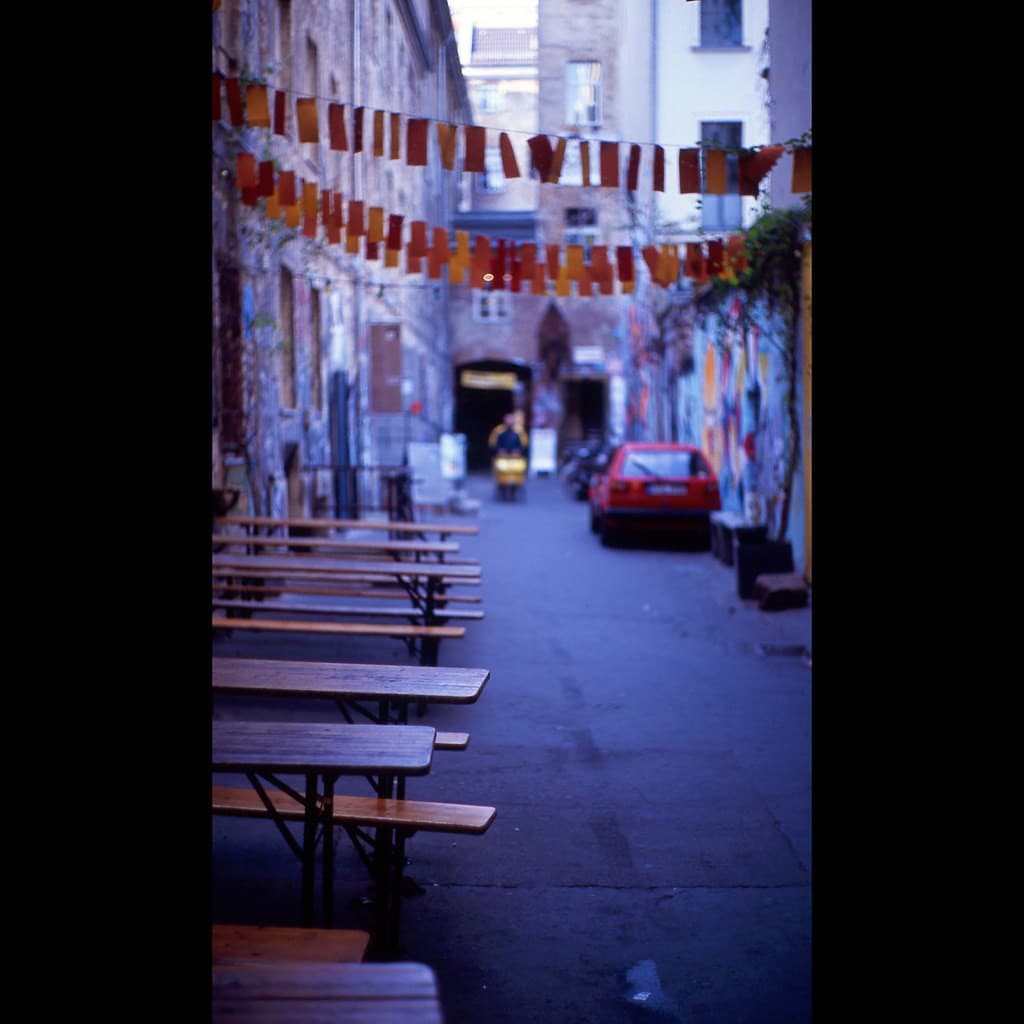
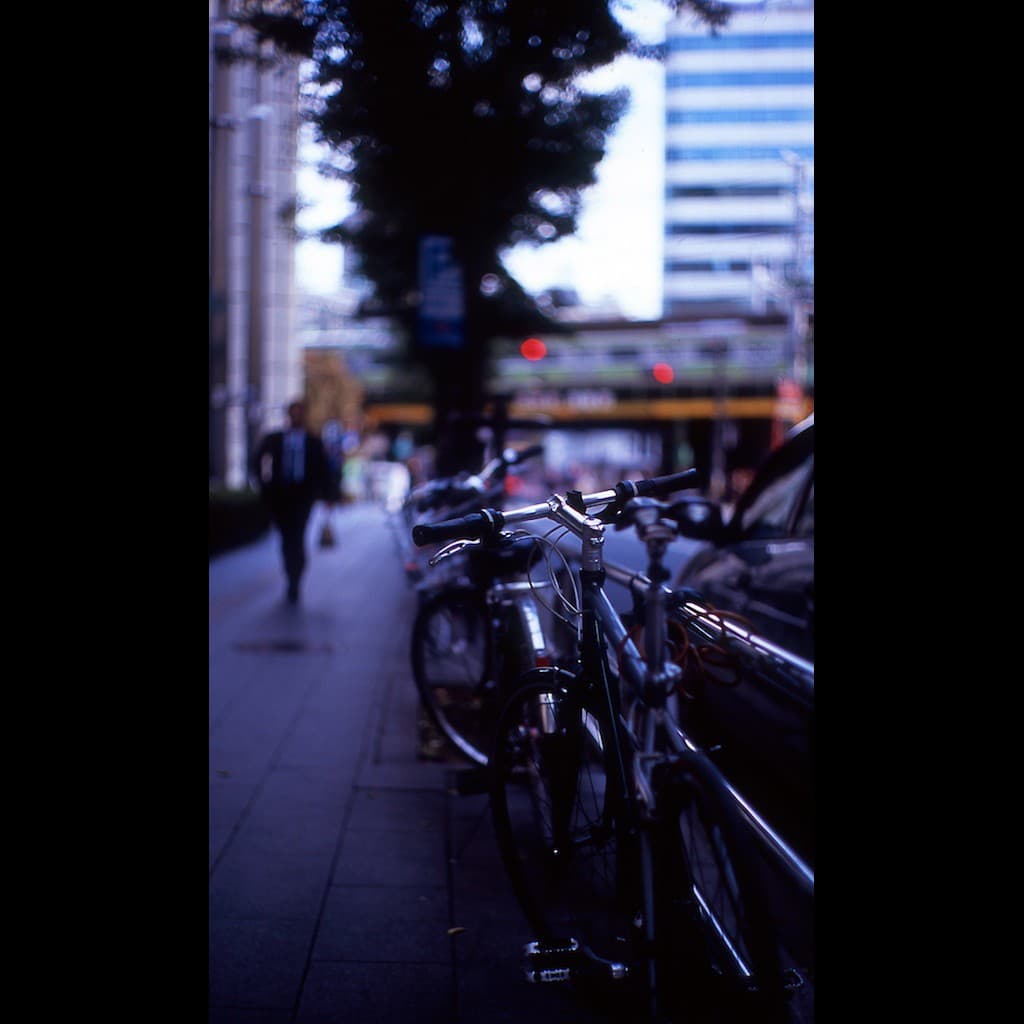
Out-of-focus rendering wide open has a 'unique quality' worth exploiting, but specific characteristics are unknown.
Described as 'shockingly good' and effectively apochromatic, 'over-engineered for most film stocks.'
Real adapters from our shop that fit this lens mount.
Standard · ฿990 · In stock
Standard · ฿990 · In stock
Standard · ฿990 · In stock
Standard · ฿1,480 · In stock
Standard · ฿1,480 · In stock
Standard · ฿1,480 · In stock
Standard · ฿1,480 · In stock
Standard · Out of stock
Based on the reviews, the Summilux-M 50mm f/1.4 ASPH (the M-mount lens the sources actually describe) is a legendary, over-engineered 50mm designed by Peter Karbe in 2004 that rewards shooting wide open and working close. It suits street and portrait photographers who value a compact alternative to the Noctilux, a close 0.7m minimum focus, superb optics, and Leica's signature focusing feel. Note that the requested 'Leica R' mount does not match the M-mount lens covered by these sources.