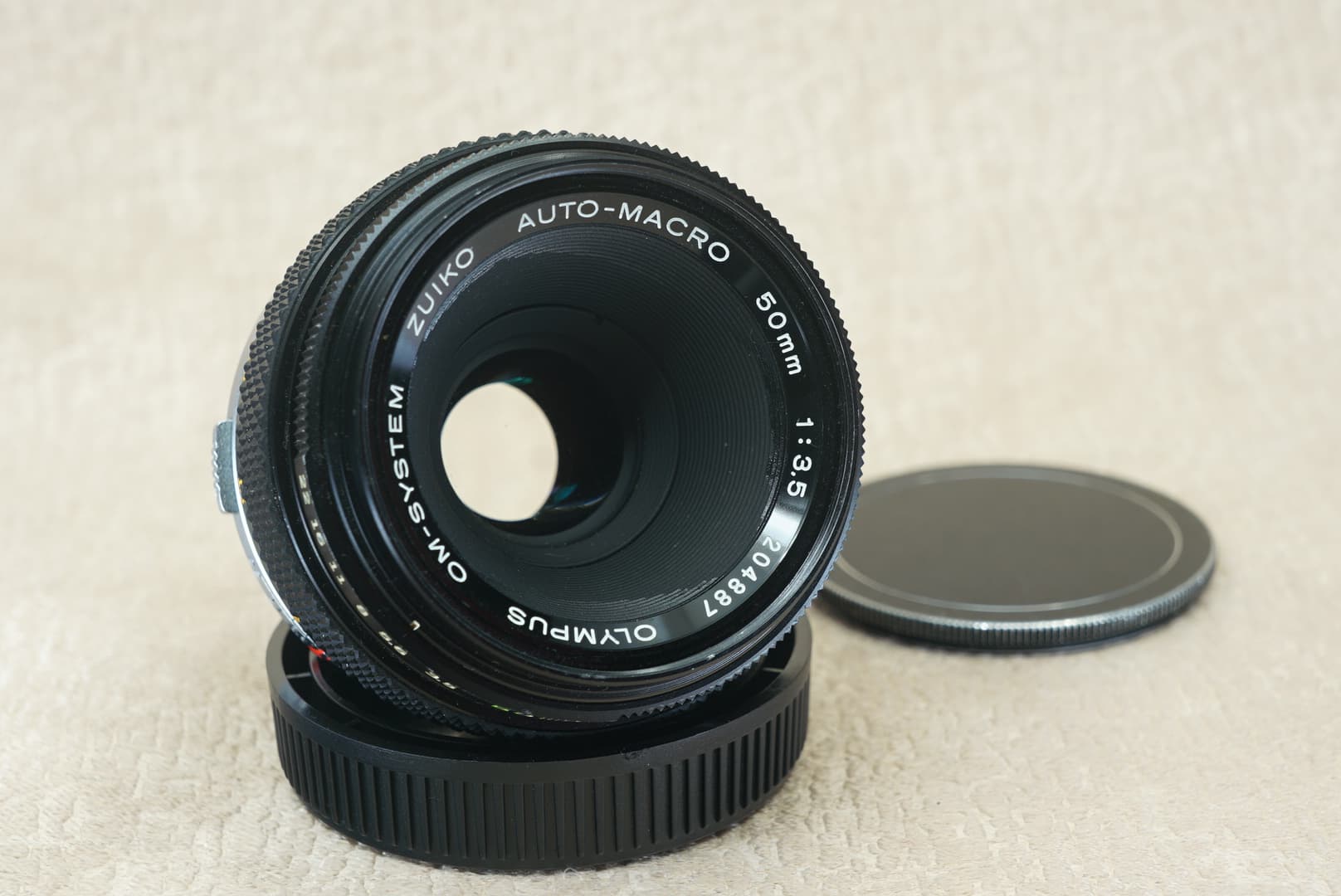
Olympus Olympus Macro 50mm f3.5

Olympus OM · 50mm · f/3.5

No photo available for this lens

Production

1973

Country

-

Optical

5 elements in 4 groups, with floating elements

Updated

Jul 1, 2026

Overview

The Olympus OM Zuiko Auto-Macro 50mm f/3.5 was first released in 1973 as part of Olympus's OM system, which was renowned for its compact and lightweight design philosophy. According to the phillipreeve.net review, there are three practical versions: the original single-coated 'Olympus OM Zuiko Auto-Macro 1:3.5 f=50mm' (1973, some with silver nose), the multicoated 'Olympus OM Zuiko MC Auto-Macro 1:3.5 f=50mm', and the last version 'Olympus OM Zuiko Auto-Macro 50mm 1:3.5' which is multicoated with probably updated coatings but no MC engraving. All three share the same 5-element/4-group optical design with floating elements. No established nicknames or community jargon are documented in these reviews. The lens has a modest cult following owing to its small size, affordability (around $40-50 used), and the reputation of 'Olympus Colours' — one reviewer noted this signature is 'most definitely' real and 'not a myth.' Its unusually close 0.23m minimum focus distance and 0.5x maximum magnification make it a versatile creative tool that people appreciate for both macro and general-purpose walk-around use.

Verdict: The Olympus OM Zuiko Macro 50mm f/3.5 is a small, affordable, and genuinely sharp macro lens that delivers a distinctive Olympus color signature and versatile rendering. It suits photographers who want a compact do-it-all lens for both macro and walk-around use, and who appreciate creative control over bokeh character. Slower speed and hexagonal stopped-down bokeh are its main compromises, but at its typical ~$44 price it is an outstanding value. Buy a multicoated copy and avoid the flare-prone single-coated first version.
Optical Character

Bokeh

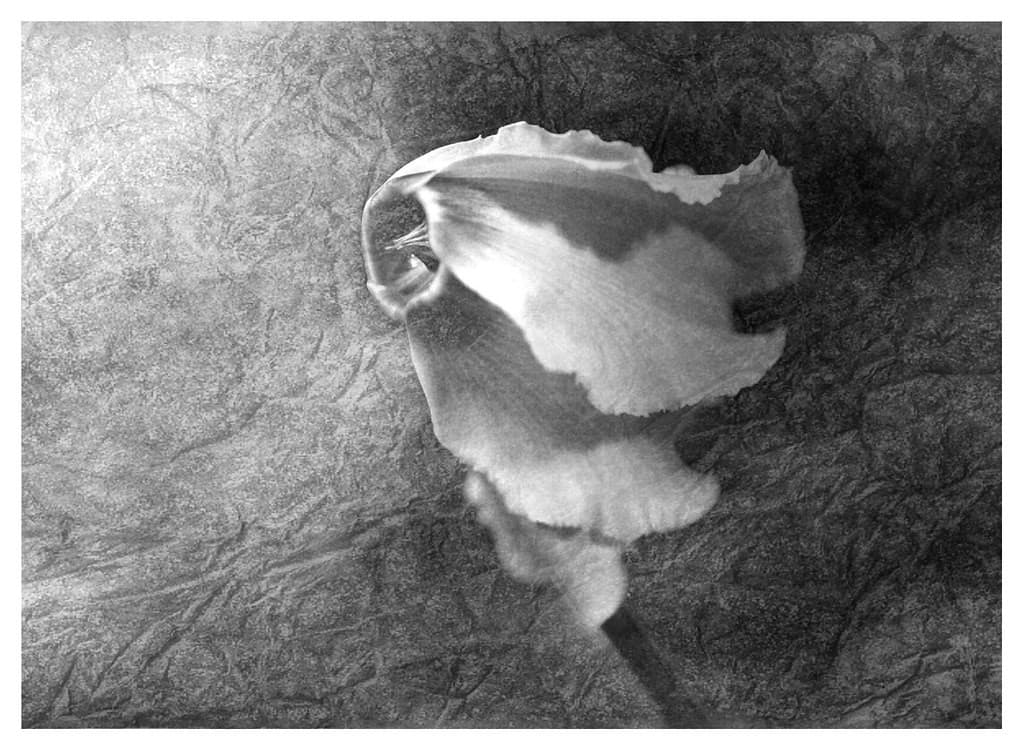
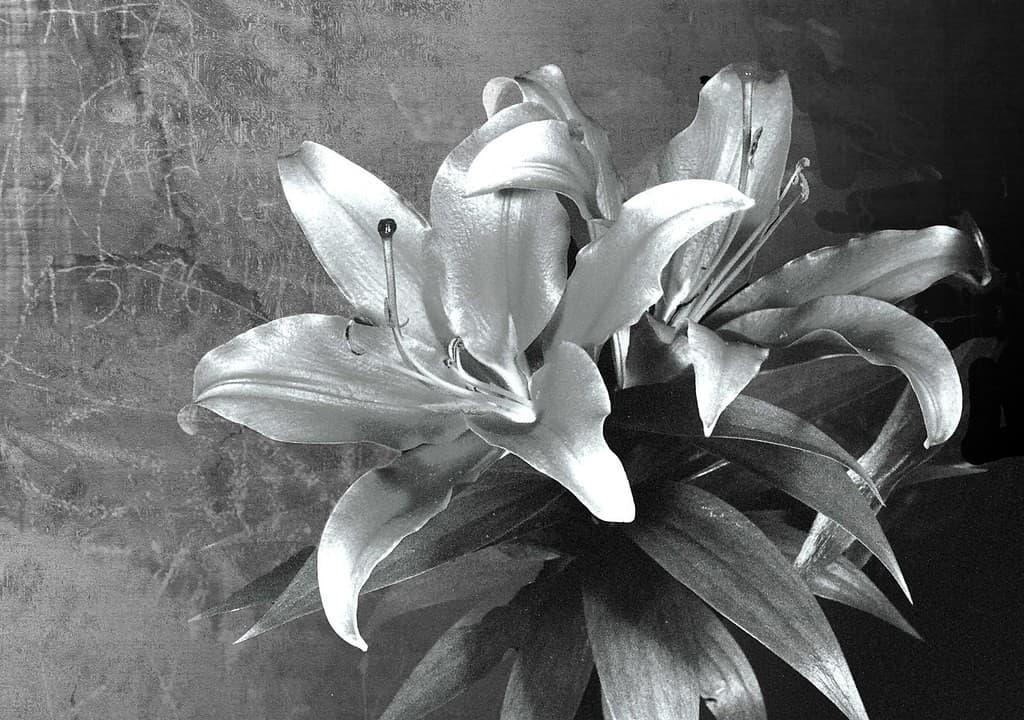
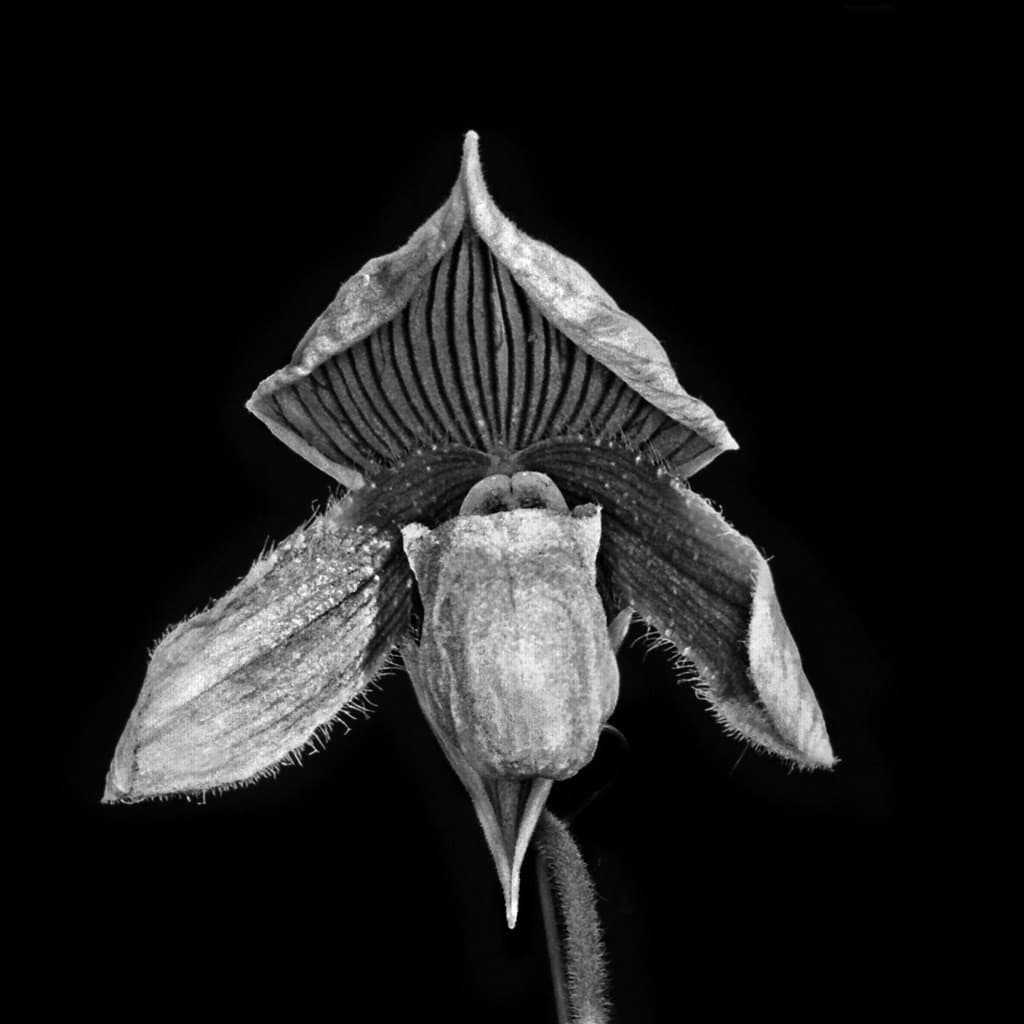
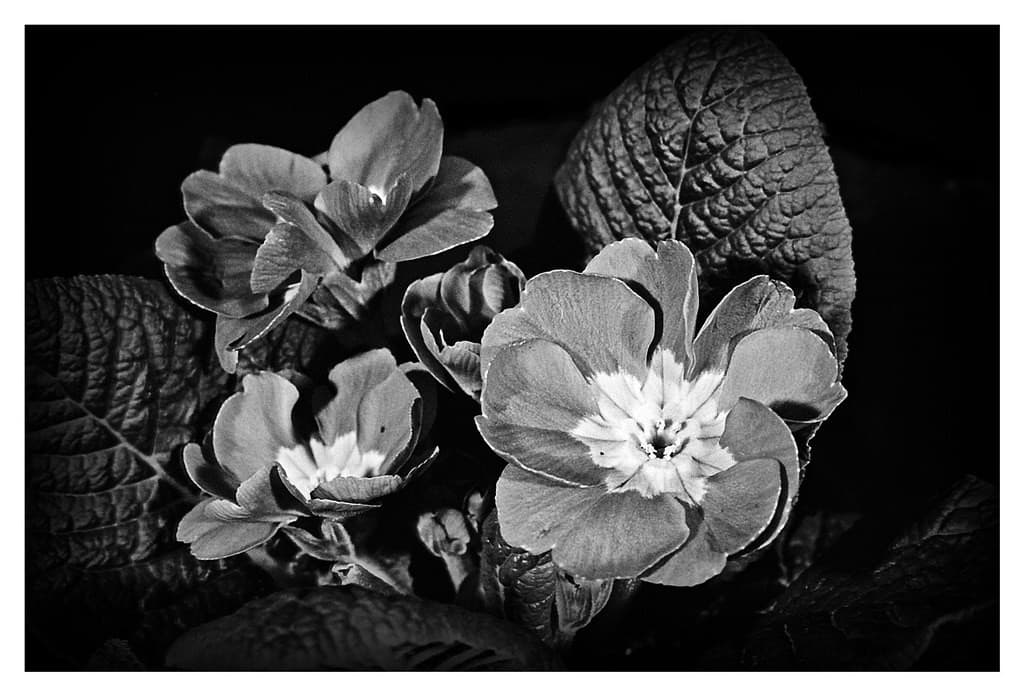
Smooth and buttery at macro distances, shifting from bubble bokeh wide open to obvious hexagonal shapes when stopped down.

Color

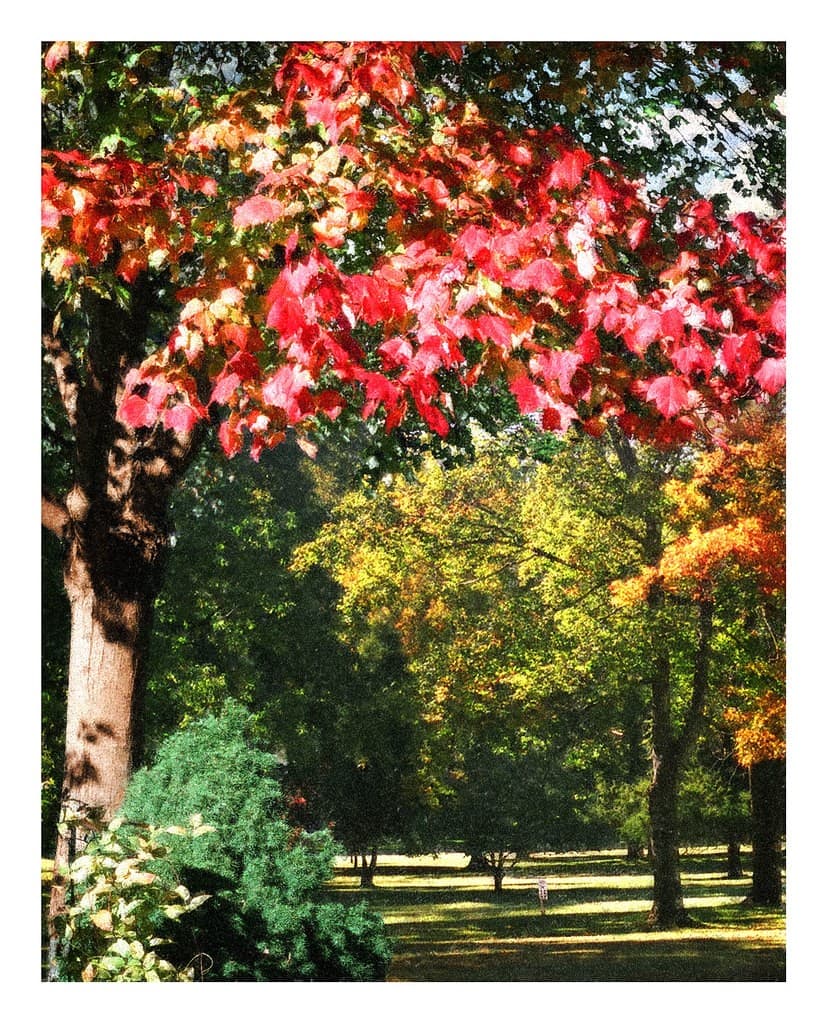
Distinctive cool 'Olympus Colours' that lean toward purple rather than green.

Sharpness wide open

Highly regarded, sharp even wide open and described as just as sharp at f/3.5 as at f/8.

Flare resistance

Good for its age with light sources in-frame, but veils badly with a strong light just outside the frame; single-coated version flares heavily.

Community Insights

What people love
  • The distinctive 'Olympus Colours' signature and excellent color rendition
  • Sharpness that holds up wide open and rivals its stopped-down performance
  • Very small, compact, lightweight (200g) and well built with great handling
  • Excellent value — typically around $40-44 used
  • Close 0.23m minimum focus distance and 0.5x magnification make it a creative, versatile lens
  • Smooth, buttery bokeh at macro distances, with the ability to vary between bubble and hexagonal character
  • The front element sits deeply recessed and is well protected from flare and damage, so it can be carried without a cap or hood
  • One of the best aperture ring designs one reviewer had encountered
What people dislike
  • Hexagonal bokeh becomes obvious and can be distracting when stopped down due to 6 straight aperture blades
  • Significant veiling flare when a strong light source sits just outside the frame
  • The transition zone in out-of-focus areas isn't very smooth at normal distances
  • Relatively slow at f/3.5 for non-macro applications
  • On Pentax bodies an OM adapter with an extra corrective element is required, which affects performance
  • Steep focusing throw (only ~40 degrees from 1m to infinity) makes precise focus at distance trickier
  • The original single-coated version flares a lot and is best avoided
Pro Tips
  • Shoot wide open at f/3.5 to keep bokeh rounded and smooth; be aware that stopping down to f/5.6 or f/8 makes the hexagonal aperture shape obvious
  • Watch for strong light sources just outside the frame — they cause significant veiling flare; reposition or shade the lens
  • Take advantage of the 0.23m close focus and 0.5x magnification for creative near-macro compositions even in general shooting
  • Prefer a multicoated version (MC engraved or the later no-MC multicoated variant) for better flare control
  • On Canon and mirrorless bodies use a simple adapter without corrective glass to preserve the lens's full performance
  • The recessed front element means you can generally shoot without a hood or cap

Sources (1)

Web-grounded synthesissecondary

The Olympus OM Zuiko Auto-Macro 50mm f/3.5 was first released in 1973 as part of Olympus's OM system, which was renowned for its compact and lightweight design philosophy. According to the phillipreeve.net review, there are three practical versions: the original single-coated 'Olympus OM Zuiko Auto-Macro 1:3.5 f=50mm' (1973, some with silver nose), the multicoated 'Olympus OM Zuiko MC Auto-Macro 1:3.5 f=50mm', and the last version 'Olympus OM Zuiko Auto-Macro 50mm 1:3.5' which is multicoated with probably updated coatings but no MC engraving. All three share the same 5-element/4-group optical design with floating elements. No established nicknames or community jargon are documented in these reviews. The lens has a modest cult following owing to its small size, affordability (around $40-50 used), and the reputation of 'Olympus Colours' — one reviewer noted this signature is 'most definitely' real and 'not a myth.' Its unusually close 0.23m minimum focus distance and 0.5x maximum magnification make it a versatile creative tool that people appreciate for both macro and general-purpose walk-around use.

Want Olympus Olympus Macro 50mm f3.5?

Not in stock right now. Leave your LINE or email and we'll alert you the moment one arrives.

LINEEmail