Production
1950 – 1991
Country
USSR (early versions may use German Zeiss glass)
Optical
4 elements in 3 groups, derived from Zeiss Sonnar 135mm f/4
Updated
Jul 1, 2026
M42 (M39/LTM versions also exist) · 135mm · f/4
Production
1950 – 1991
Country
USSR (early versions may use German Zeiss glass)
Optical
4 elements in 3 groups, derived from Zeiss Sonnar 135mm f/4
Updated
Jul 1, 2026
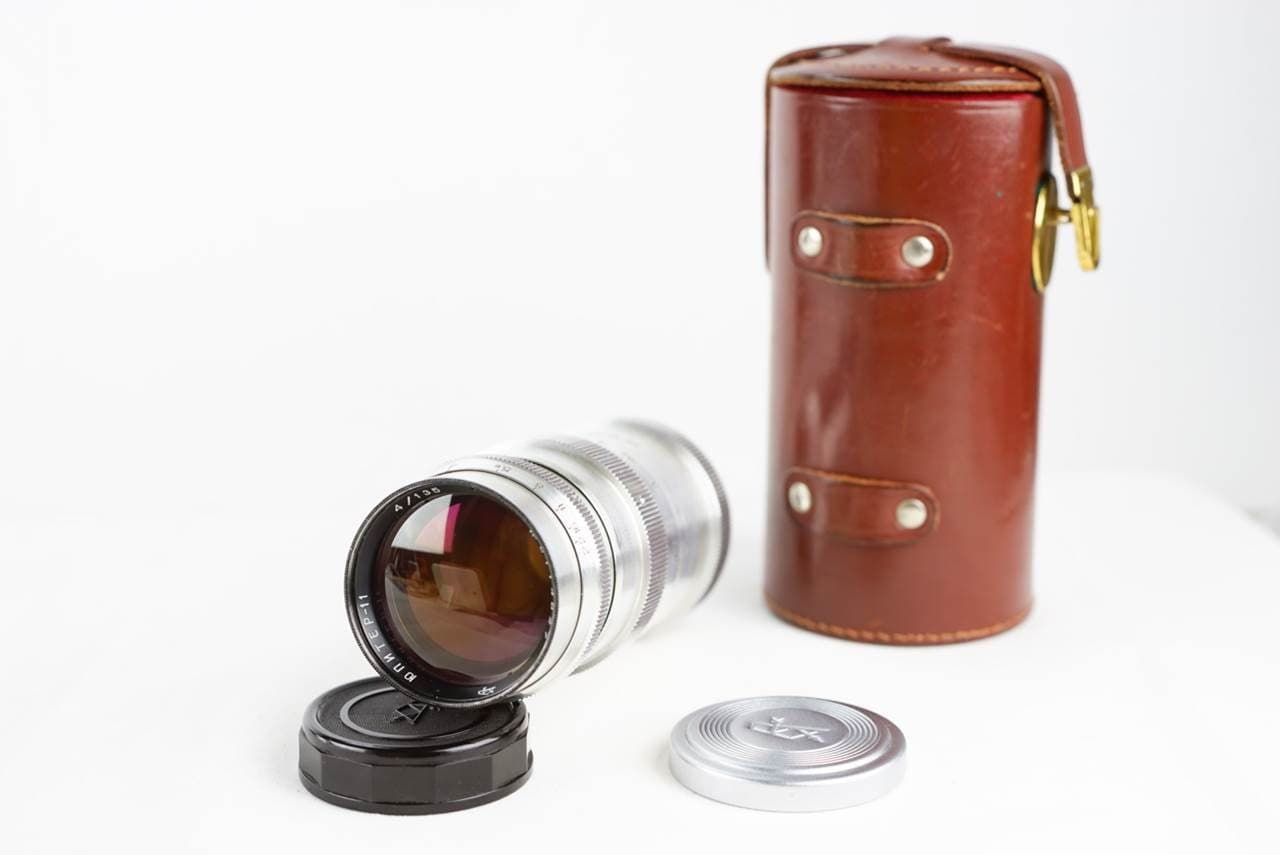
The Jupiter-11 135mm f/4 is a Soviet telephoto lens derived from the German Zeiss Sonnar 135mm f/4, part of the broad family of Jupiter lenses that copied and continued Zeiss designs after World War II. According to the reviews, early versions may actually use Zeiss glass produced in Germany, while later ones may carry different coatings. The lens was produced over a long span; the reviewed copies date from as early as 1959 (an aluminum-bodied example) to as late as 1991 (serial numbers encode the production year in the first two digits). The M42 version reviewed by one commenter is made of brass and is notably heavier than the aluminum variants. It has a cult following largely because it is inexpensive (starting around $45 on eBay) yet capable of producing 'superbe' images with pleasing bokeh at a long focal length. One reviewer summed up its charm by noting he doesn't shoot test charts and brick walls, only life. No established nicknames are evidenced in the reviews.
Verdict: The Jupiter-11 135mm f/4 is a budget-friendly Sonnar-derived telephoto that rewards patient shooters with genuinely lovely, sharp images and soft bokeh. It is ideal for portraits, nature, and telephoto work, particularly on digital mirrorless cameras. Its Achilles' heel is dismal flare resistance, so a hood and careful light management are essential. For photographers who want vintage character on a shoestring and don't mind its quirks, it is an underrated gem.
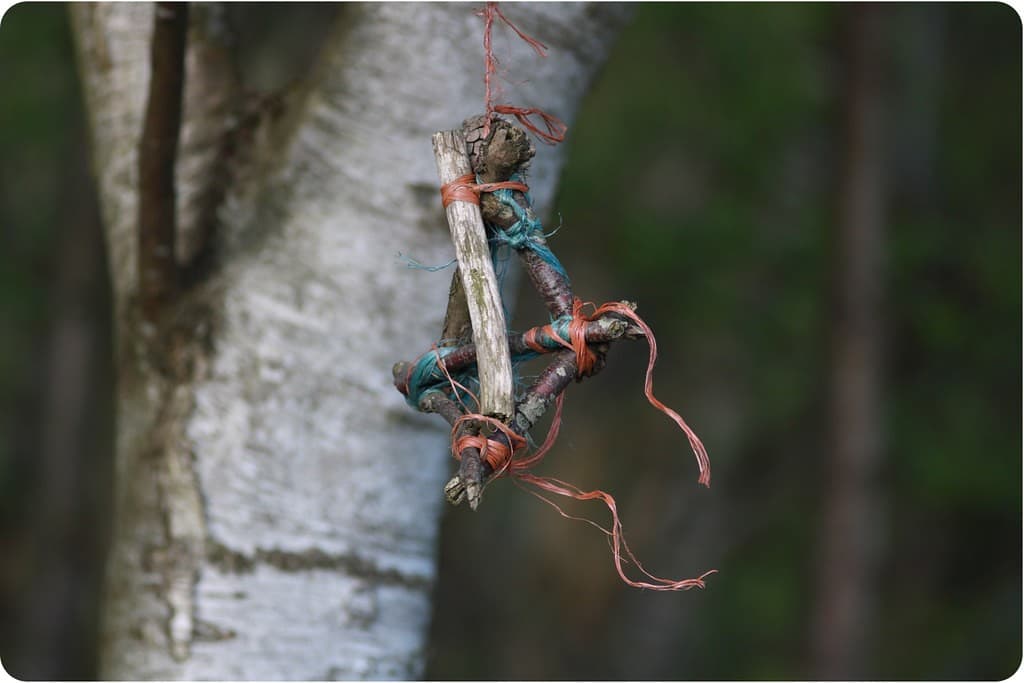
Beautiful, soft, creamy bokeh; generous even at f/4 thanks to 135mm focal length, with no swirl or bubble effects.
Produces very lovely color images, though specific warm/cold tendencies are unknown.
Pretty good across-frame sharpness even wide open, with some brass copies described as tack sharp into extreme corners.
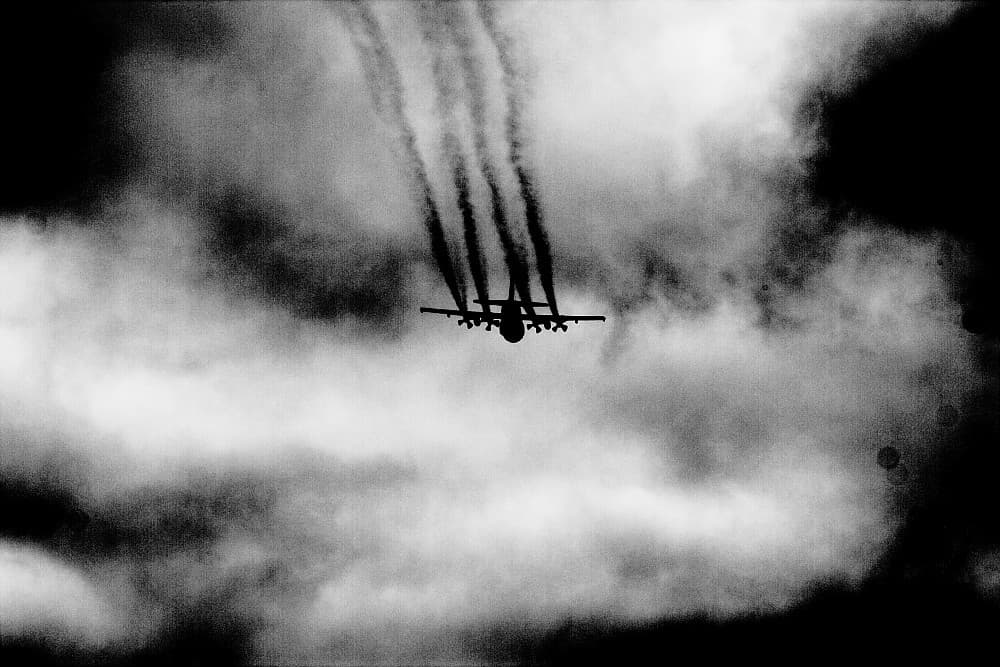
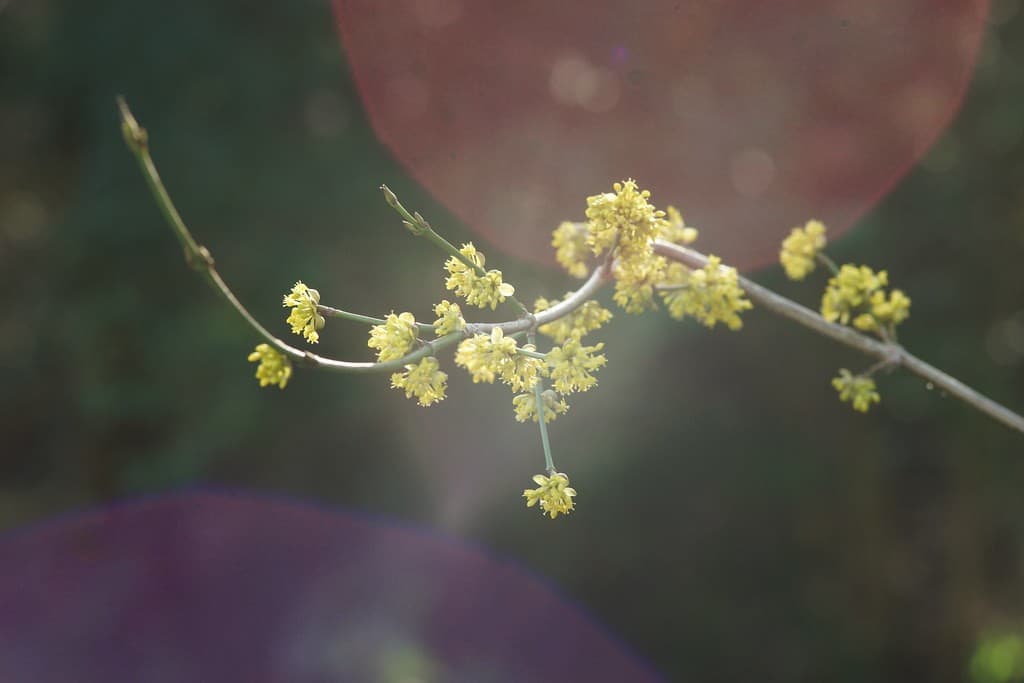
One of the worst flare performances encountered, with severe veiling flare even on overcast days.
Decent contrast that improves at f/5.6, but can be severely reduced by veiling flare in bright or backlit conditions.
Extreme corners are significantly darker at f/4 and f/5.6, reduced by stopping down further.
The Jupiter-11 135mm f/4 is a budget-friendly Sonnar-derived telephoto that rewards patient shooters with genuinely lovely, sharp images and soft bokeh. It is ideal for portraits, nature, and telephoto work, particularly on digital mirrorless cameras. Its Achilles' heel is dismal flare resistance, so a hood and careful light management are essential. For photographers who want vintage character on a shoestring and don't mind its quirks, it is an underrated gem.