Production
-
Country
-
Optical
Zeiss Sonnar (Sonnar T*)
Updated
Jul 12, 2026
Sony E (full-frame E-mount) · 55mm · f/1.8
Production
-
Country
-
Optical
Zeiss Sonnar (Sonnar T*)
Updated
Jul 12, 2026
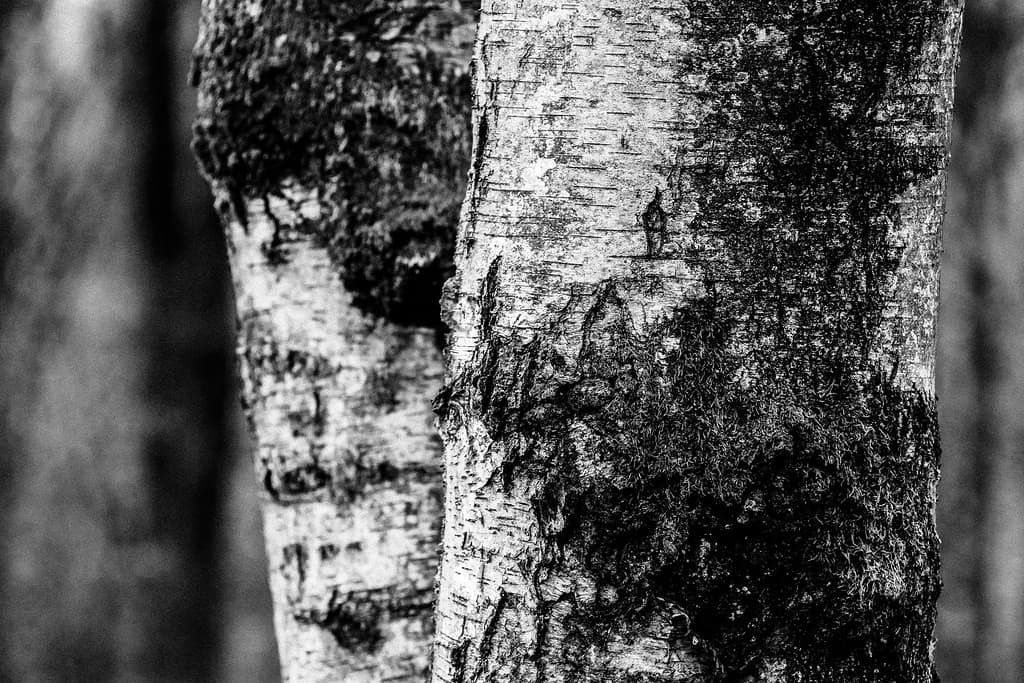
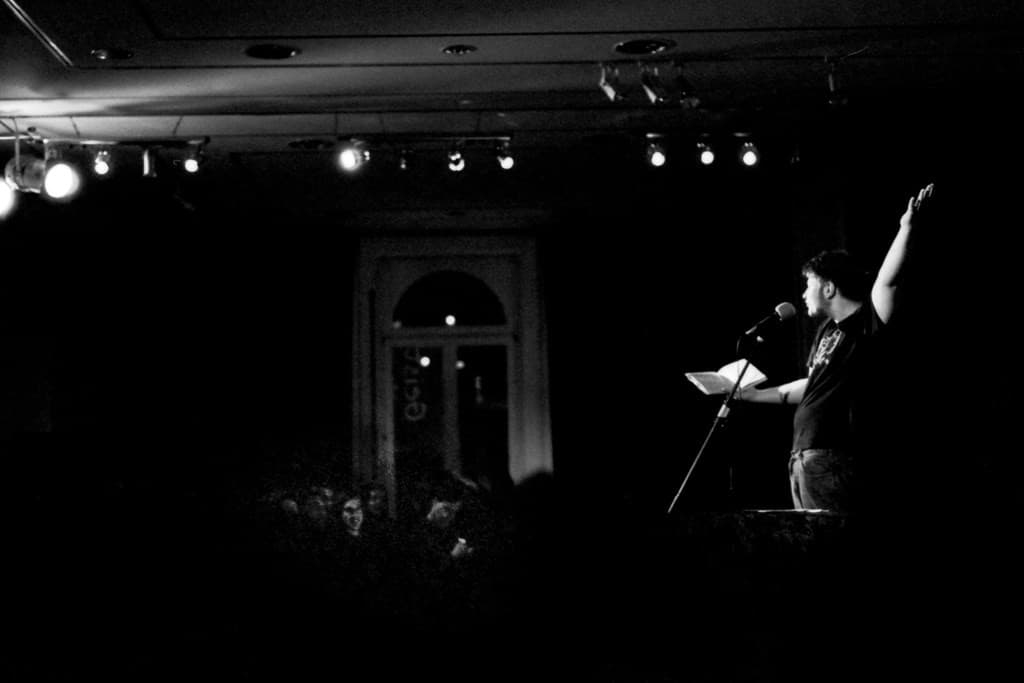
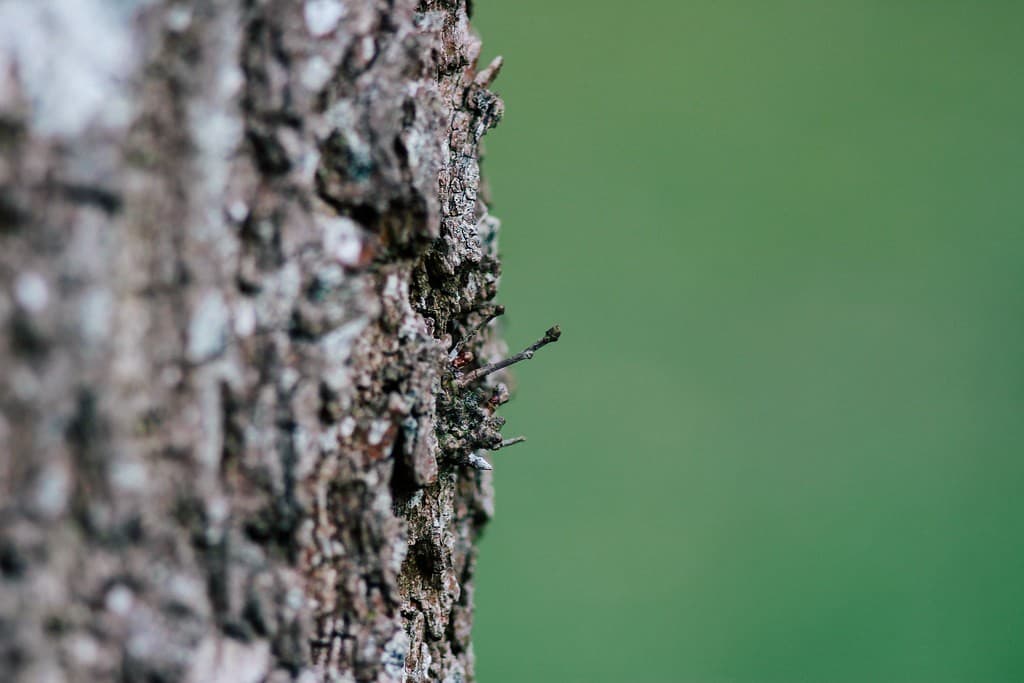
The Carl Zeiss Sonnar T* FE 55mm f/1.8 ZA (model SEL55F18Z) is a compact autofocus standard prime built for the Sony full-frame E-mount system and carrying the Carl Zeiss badge with genuine T* anti-reflective coatings. It arrived as one of the flagship 'normal' primes meant to prove that the mirrorless system could match or beat traditional DSLR optics, and reviewers quickly cemented its reputation as one of the sharpest normal lenses available for the mount — very good to excellent in the centre wide open at f/1.8 and outstanding across the frame once stopped down. The community refers to it in shorthand simply as the 'FE55'; the reviews are explicit that this is a plain abbreviation and NOT an established folklore nickname, so no 'Bokeh King'-style moniker applies here. Its cult following rests on a rare combination in such a small, light package: classic Zeiss colour and contrast, a well-known '3D pop' with strong subject isolation, biting resolution, and excellent flare control — a lens people keep on the body as a do-everything standard.
Verdict: This is a lens for photographers who prize resolution, colour and separation over vintage softness or swirl. The FE55 is a razor-sharp, high-contrast, richly coloured standard prime with genuine '3D pop' and excellent flare control in a compact metal body — ideal for portraits, documentary and everyday shooting where you want a clean, punchy, three-dimensional look. Its trade-offs are honest and manageable: notable bokeh colour fringing and heavy vignetting wide open, plus occasionally nervous highlights. Shooters who love a modern, crisp Zeiss signature and are willing to stop down a touch for critical work will adore it; those chasing dreamy character-lens flaws should look elsewhere.
Generally smooth, creamy background with strong subject isolation but nervous out-of-focus highlights (onion-ring, cat's-eye toward corners) and notable longitudinal color fringing at f/1.8.
Rich, saturated classic Zeiss color, more saturated than some rivals, delivered with high contrast straight from RAW.
Very good to excellent center wide open at f/1.8, outstanding by ~f/2.2, best across-frame around f/4–f/5.6, still sharp at f/11.
Excellent flare resistance from effective T* coatings, though extreme backlighting can introduce some ghosting.
High global contrast rendered straight from the file, preserved even against bright light by the T* coatings.
Heavy wide-open vignetting of roughly 2.6EV at f/1.8, clearing as the lens is stopped down.
This is a lens for photographers who prize resolution, colour and separation over vintage softness or swirl. The FE55 is a razor-sharp, high-contrast, richly coloured standard prime with genuine '3D pop' and excellent flare control in a compact metal body — ideal for portraits, documentary and everyday shooting where you want a clean, punchy, three-dimensional look. Its trade-offs are honest and manageable: notable bokeh colour fringing and heavy vignetting wide open, plus occasionally nervous highlights. Shooters who love a modern, crisp Zeiss signature and are willing to stop down a touch for critical work will adore it; those chasing dreamy character-lens flaws should look elsewhere.