Production
-
Country
Japan
Optical
9 elements in 7 groups, multicoated
Updated
Jul 1, 2026
Available in multiple mounts including M42, Pentax K, and Minolta MD · 24mm · f/2.8
Production
-
Country
Japan
Optical
9 elements in 7 groups, multicoated
Updated
Jul 1, 2026
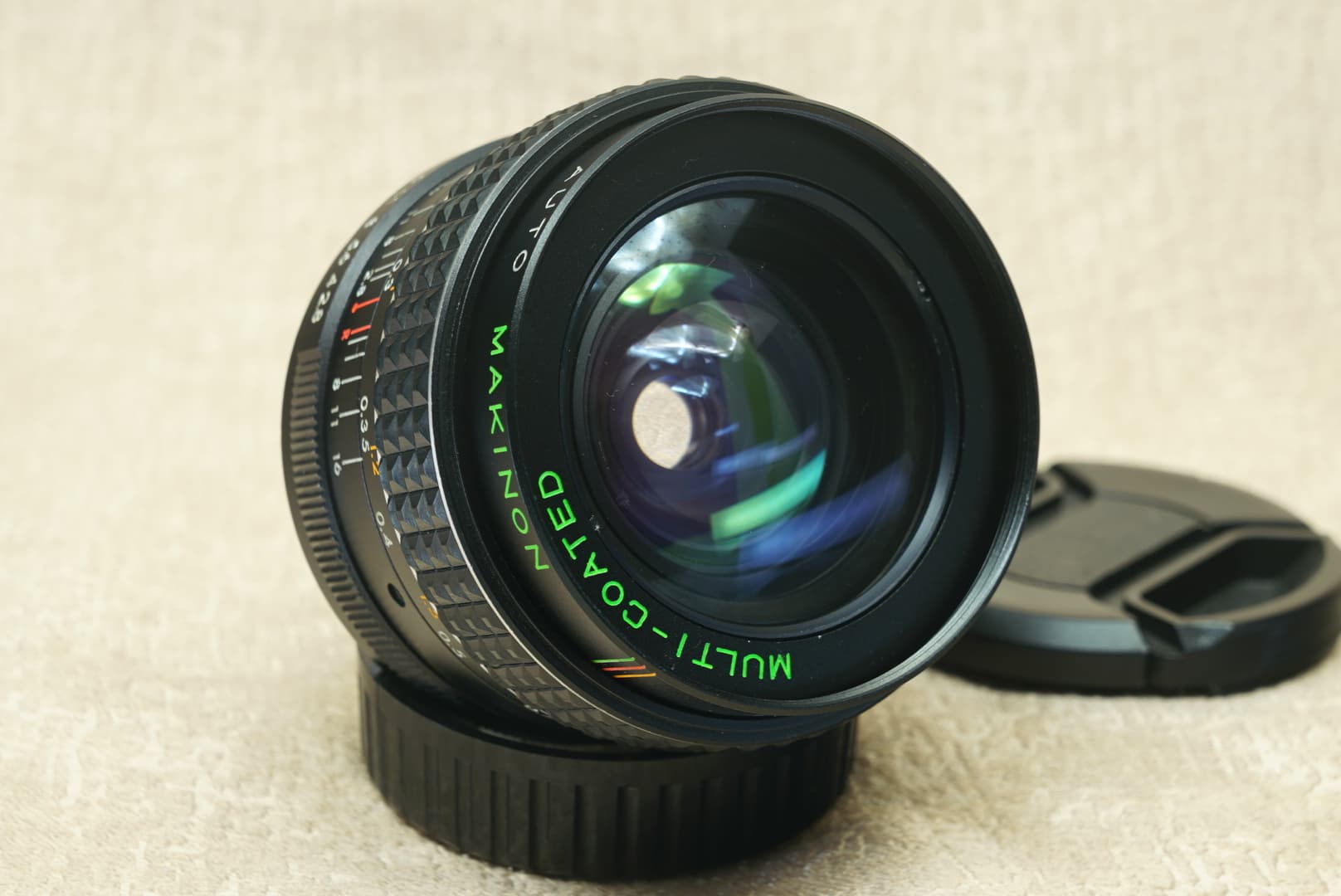
The Makinon 24mm f/2.8 was introduced in the late 1970s by Makina Optical Co. of Japan, a company founded in 1967 that built its business making OEM lenses for distributor brands like Vivitar, Hanimex, and Toyo Optics. In 1974 Makina began selling under its own 'Makinon' brand, pursuing a strategy of affordable but high-performance optics. This 24mm was sold under various brands—the same optic appears as Hanimex and Toyo Optics USA versions, with the Hanimex being the easiest to find on the used market, while the Makinon-branded version is relatively rare and often overlooked. Makina Optical ceased operations in the 1980s as consumers moved to autofocus systems. The lens has developed a modest cult following among vintage-glass and cinemod enthusiasts largely for its swirly bokeh, which reviewers compare directly to Helios lenses—notably filling a gap since the Soviet lineup never produced a 24mm swirl lens. People love it for its extremely low cost (often around $15-$20), its solid all-metal build, and its distinctive character. No established nicknames are evidenced in the reviews.
Verdict: The Makinon 24mm f/2.8 is a bargain-priced, characterful vintage wide-angle best suited to cinematographers and creative shooters who want Helios-style swirl in a focal length the Soviets never offered. Accept its soft edges, warm haze, and flare tendencies as part of its charm, tame it with a matte box and by stopping down, and it delivers sharp centers, pleasing color, and a distinctive anamorphic-like look for very little money. It's not a corner-to-corner performer, but for artistic close-ups and cinematic framing it punches well above its price.
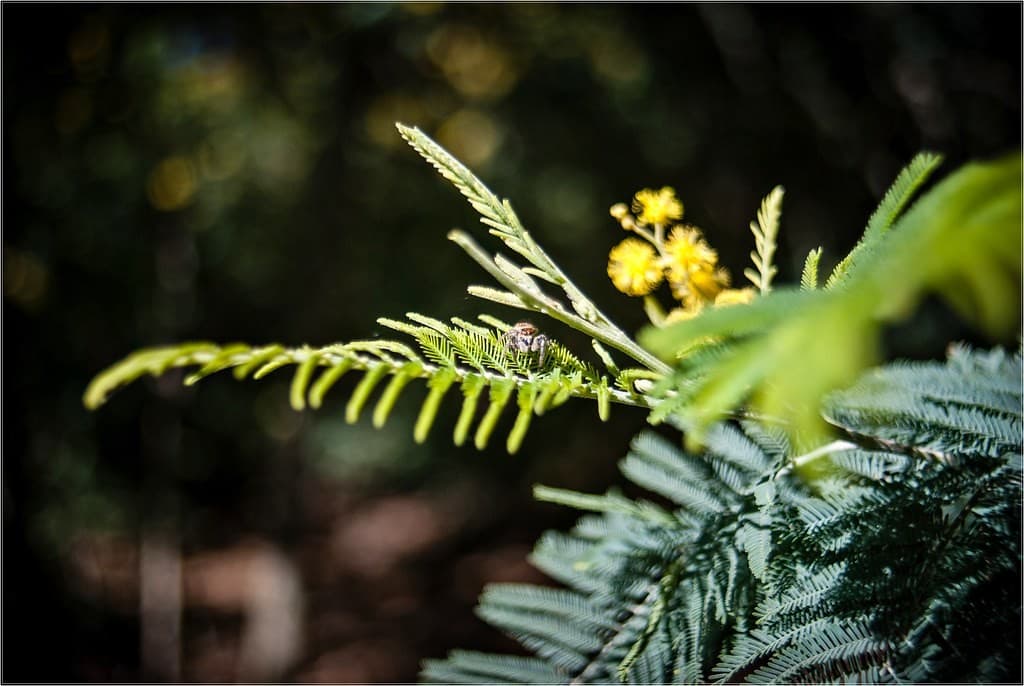
Swirly bokeh comparable to Helios, most pronounced in close-ups, with round central highlights and large oval bokeh at closest focus.
Warm rendering with praised color saturation, as flares and haze add a warming effect.
Sharp in the center wide open with soft edges, improving significantly when stopped down to f/5.6.
Suffers from strong flares and haze, especially in backlit scenes, with a warm tint; a matte box is recommended.
Contrast improves significantly when stopped down to f/5.6; backlit haze reduces contrast wide open.
Present wide open with brighter center, largely gone by stopping down to around f/4.
The Makinon 24mm f/2.8 is a bargain-priced, characterful vintage wide-angle best suited to cinematographers and creative shooters who want Helios-style swirl in a focal length the Soviets never offered. Accept its soft edges, warm haze, and flare tendencies as part of its charm, tame it with a matte box and by stopping down, and it delivers sharp centers, pleasing color, and a distinctive anamorphic-like look for very little money. It's not a corner-to-corner performer, but for artistic close-ups and cinematic framing it punches well above its price.