Production
-
Country
Japan
Optical
4 elements in 4 groups
Updated
Jul 18, 2026
Minolta MD · 135mm · f/4
Production
-
Country
Japan
Optical
4 elements in 4 groups
Updated
Jul 18, 2026
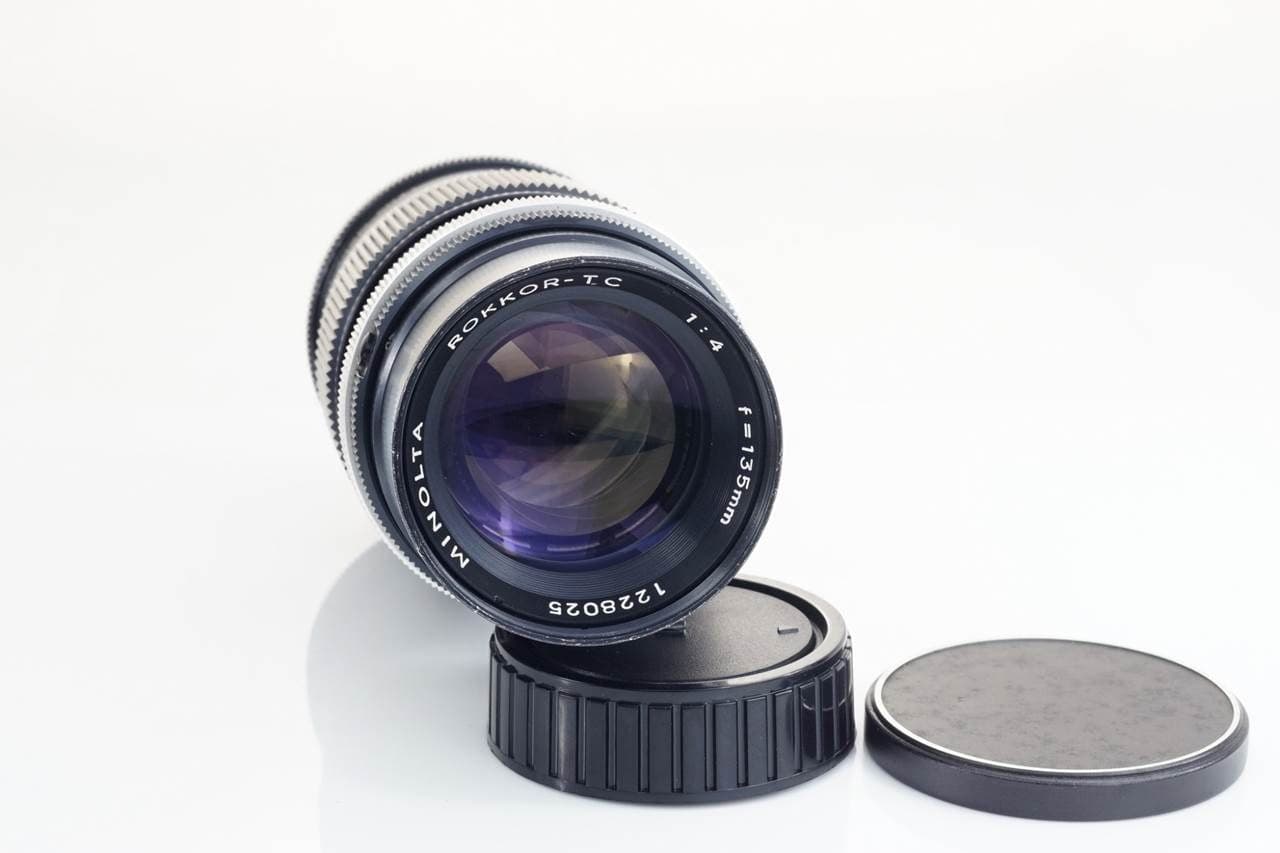
The Minolta 135mm f/4 (12 blade) is part of Minolta's long-running SR-mount 135mm lineage, a focal length the company revisited again and again — one reviewer notes no fewer than sixteen 135mm lenses were made for the SR bayonet. The 135mm short telephoto was the classic portrait and compressed-landscape lens of the manual-focus era, and Minolta's versions earned a reputation for dense, all-metal construction and smooth helicoids that still feel right decades later. The defining mechanical curiosity of this particular lens is its 12-blade aperture — an unusually high blade count for the period, which keeps the diaphragm opening nearly circular as you stop down. No established nickname or community jargon for this specific f/4 variant appears in the reviewed sources, so none can be claimed. The broader Minolta 135mm family carries genuine cult weight: the later Minolta-designed 135mm STF was dubbed 'The True King of Bokeh' by enthusiasts, evidence of how deeply shooters associate the Minolta 135mm name with beautiful out-of-focus rendering — though that apodization lens is a different design entirely.
Verdict: Buy this lens if you want the classic 135mm look — compressed perspective, smooth blur, round highlights — at the humblest price point in Minolta's 135mm family, and if the 12-blade aperture's promise of circular bokeh at every stop appeals to you more than a brighter maximum aperture. It is a lens for patient shooters who enjoy the ritual of a long, smooth focus throw and the gentle, low-contrast drawing of a vintage telephoto. Do not buy it if you need speed: f/4 limits you in dim light and gives less background obliteration than the f/2.8 and f/2 siblings. And do not buy it expecting the documented magic of the STF 'King of Bokeh' — that is a different lens entirely. Modern 135mm lenses are sharper, brighter and better corrected; what they don't give you is this one's unhurried, round-bladed, old-Minolta way of melting a background — if that's what you're after, this is the affordable door in.
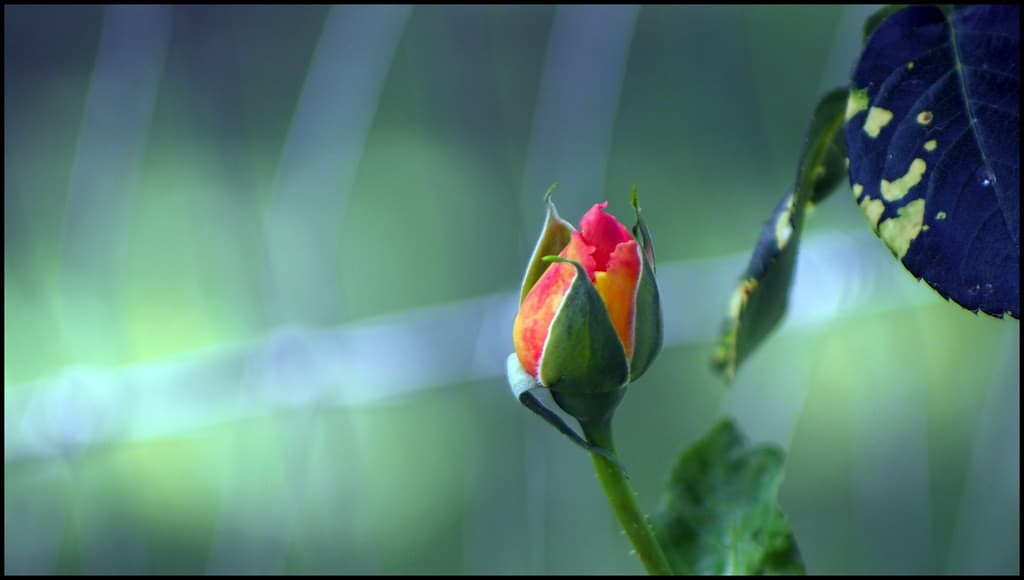
The 12-blade aperture creates nearly circular out-of-focus highlights at all apertures; bokeh is creamy and well-behaved with minimal outlining or nervous characteristics.
Warm and slightly muted color palette typical of Rokkor-era Minolta glass; skin tones render with natural warmth, greens tend toward olive, blues retain depth without cyan shift.
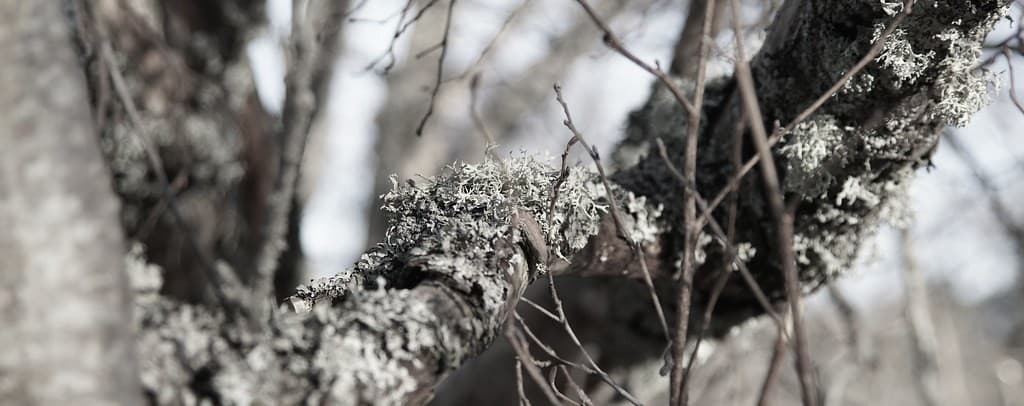
Center sharpness is adequate but not exceptional wide open, with a soft glow suited to portraiture; peak sharpness arrives around f/8 with crisp center and slightly softer corners.
Single-coated versions exhibit noticeable veiling flare when shooting into light; multi-coated variants handle backlight better but still produce warm, low-contrast flare.
Moderate global contrast with subdued micro-contrast; wide open, contrast is noticeably reduced with subtle veiling that lifts shadows; firms up at f/5.6-f/8.
Moderate vignetting wide open, approximately 1.5 stops in the corners; largely corrected by f/5.6.
Real adapters from our shop that fit this lens mount.
Standard · ฿540 · In stock
Standard · ฿540 · In stock
Standard · ฿540 · In stock
Standard · ฿1,250 · In stock
Standard · ฿890 · Out of stock
Standard · Out of stock
Standard · Out of stock
Buy this lens if you want the classic 135mm look — compressed perspective, smooth blur, round highlights — at the humblest price point in Minolta's 135mm family, and if the 12-blade aperture's promise of circular bokeh at every stop appeals to you more than a brighter maximum aperture. It is a lens for patient shooters who enjoy the ritual of a long, smooth focus throw and the gentle, low-contrast drawing of a vintage telephoto. Do not buy it if you need speed: f/4 limits you in dim light and gives less background obliteration than the f/2.8 and f/2 siblings. And do not buy it expecting the documented magic of the STF 'King of Bokeh' — that is a different lens entirely. Modern 135mm lenses are sharper, brighter and better corrected; what they don't give you is this one's unhurried, round-bladed, old-Minolta way of melting a background — if that's what you're after, this is the affordable door in.
The Minolta 135mm f/4 12-blade is a specialized tool for photographers who prioritize bokeh quality and rendering character over technical specifications. It rewards those who understand its limitations and work within them, delivering a vintage portrait aesthetic that modern lenses struggle to replicate. This is not a lens for pixel-peepers or those needing fast apertures, but for contemplative shooters who value the journey as much as the destination. If you seek clinical sharpness, look elsewhere. If you want creamy, dimensional portraits with that ineffable vintage quality, this modest Minolta punches well above its weight class.