Production
1977
Country
Japan
Optical
9 elements in 9 groups
Updated
Feb 3, 2026
Nikon AI · 24mm · f/2.8
Production
1977
Country
Japan
Optical
9 elements in 9 groups
Updated
Feb 3, 2026
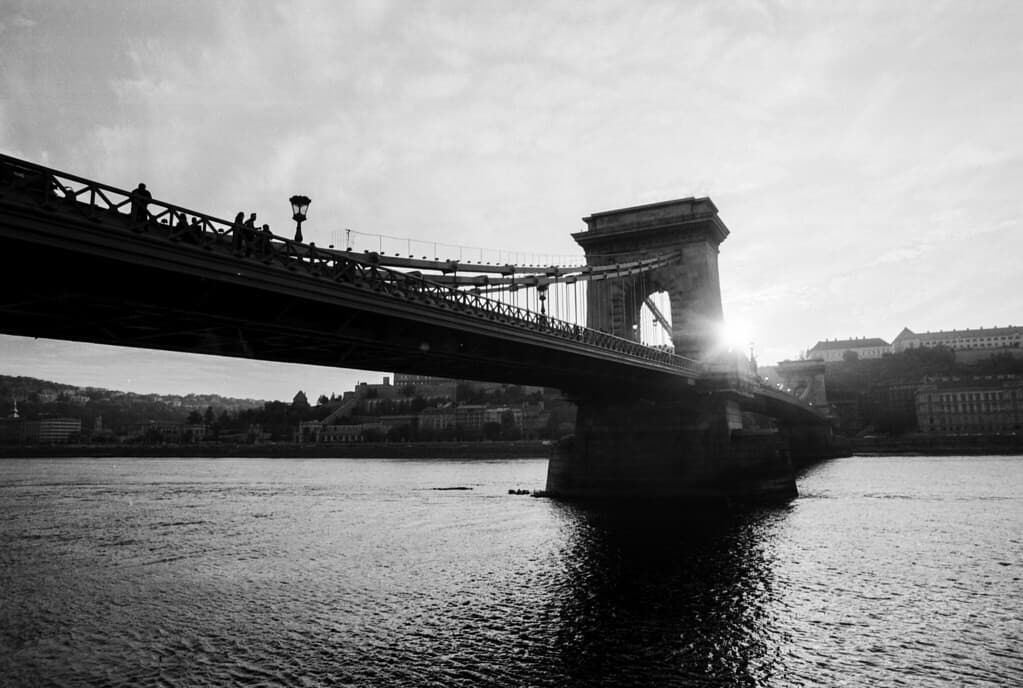
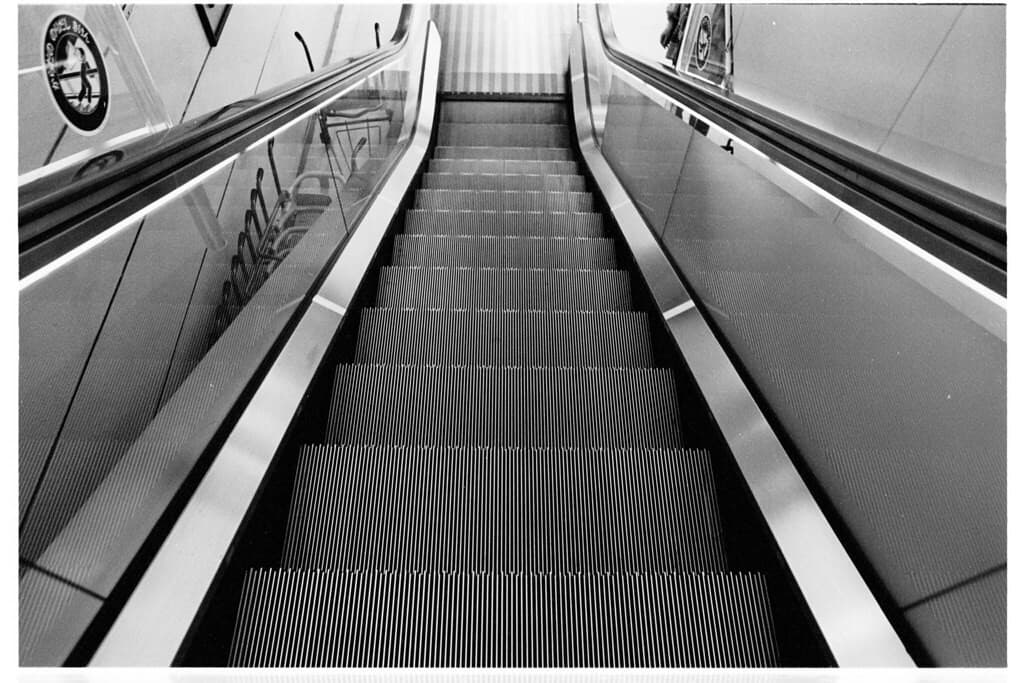
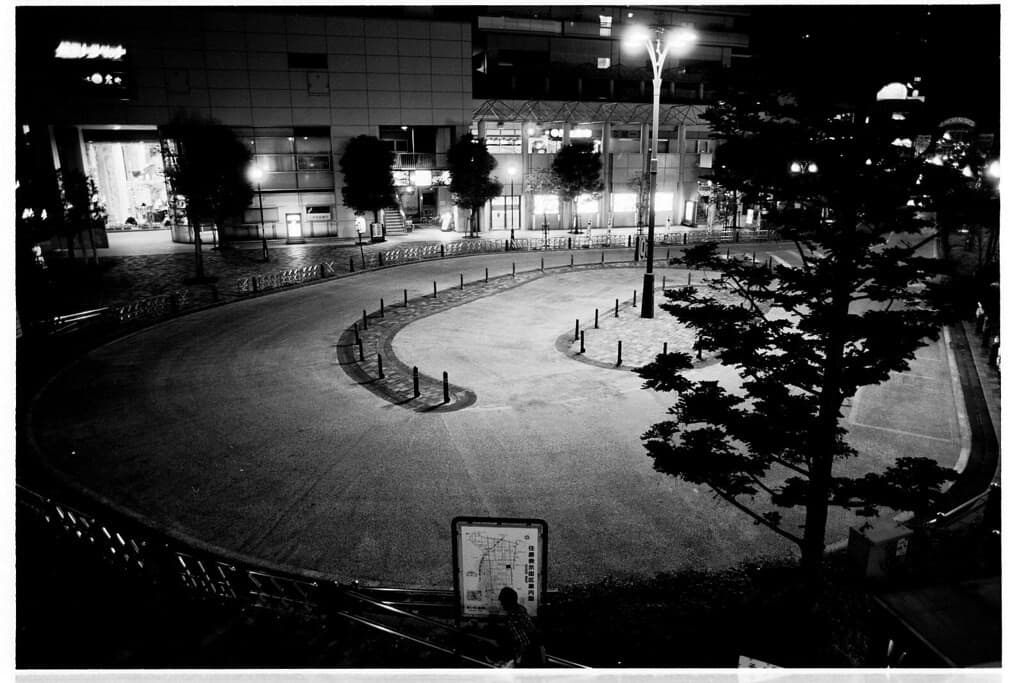
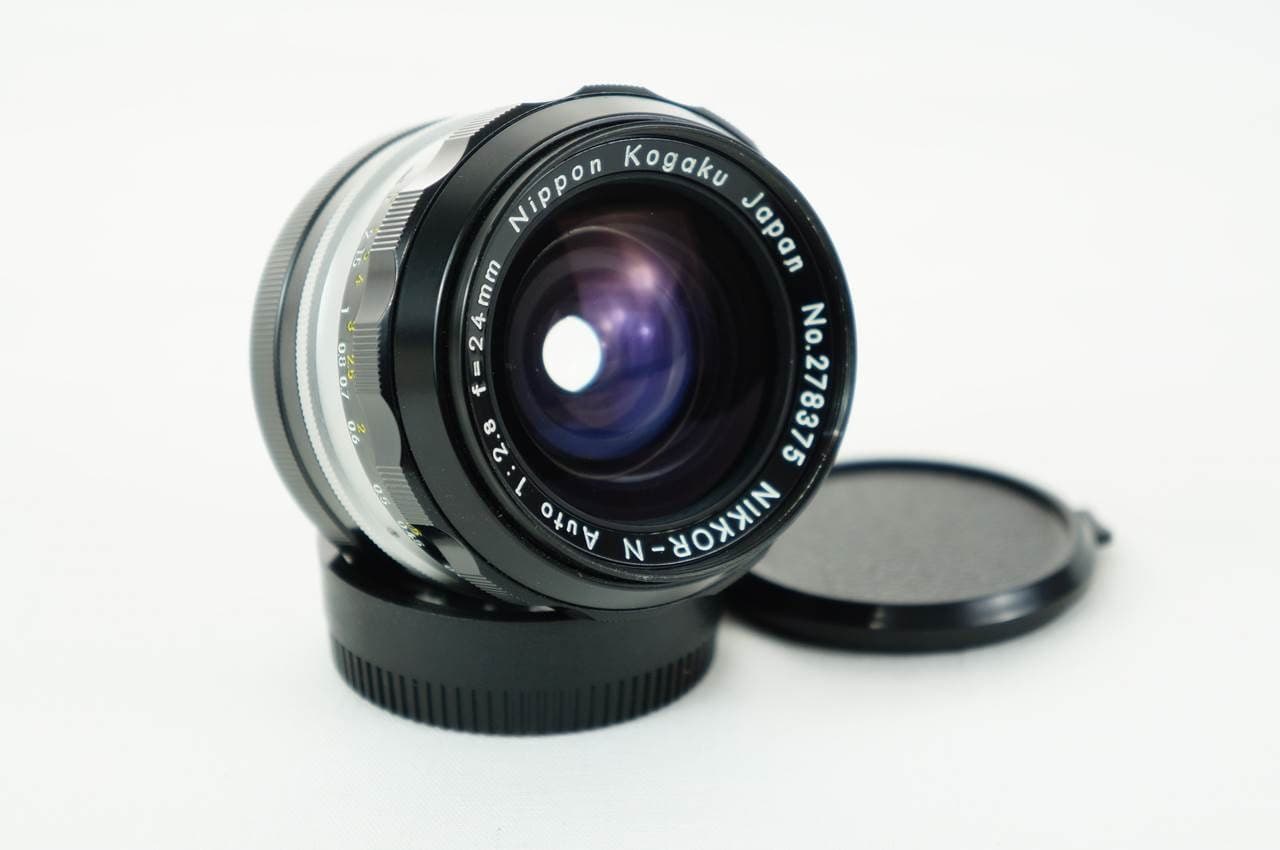
The Nikon Nikkor 24mm f/2.8 AI represents Nikon's commitment to professional-grade wide-angle optics during the golden era of manual focus photography. Introduced in 1977 as part of the AI (Automatic Indexing) system overhaul, this lens was a refinement of the earlier Non-AI version first released in 1967. The AI version brought the new meter coupling system that allowed for faster lens changes and more reliable exposure metering on Nikon bodies. This focal length was particularly significant for photojournalism, documentary work, and architectural photography during the 1970s and 1980s. The 24mm f/2.8 occupied a sweet spot in Nikon's lineup - wider than the popular 28mm but less extreme than the 20mm, offering a perspective that felt expansive without excessive distortion. While it never earned a specific community nickname like some legendary Nikkors, it developed a quiet but devoted following among street photographers and travel shooters who appreciated its compact size, excellent build quality, and the 'Nikon look' - that characteristic rendering that many describe as honest and clinical yet somehow pleasing. The lens represents the engineering philosophy of Nikon's Nippon Kogaku era: build it once, build it right, and make it last generations.
Verdict: The Nikon Nikkor 24mm f/2.8 AI is a workhorse wide-angle that excels in reliability, build quality, and honest rendering rather than optical fireworks or distinctive character. It is the ideal choice for photographers who value a tool that gets out of the way and delivers consistently competent results - documentary shooters, street photographers, and anyone building a practical vintage Nikon kit. Those seeking dreamy bokeh, extreme sharpness wide open, or distinctive vintage rendering should look elsewhere. But for the photographer who appreciates precision engineering, enjoys the tactile experience of manual focus, and wants a 24mm that will outlast them, this Nikkor remains a compelling choice decades after its introduction. It is not legendary, but it is exemplary of what Nikon did best during the manual focus era: build lenses that professionals could depend on, day after day, year after year.
Functional rather than beautiful bokeh with 7-blade diaphragm producing slightly polygonal highlights; relatively smooth wide open but can show nervousness with complex backgrounds.
Neutral to slightly warm color rendition with faithful saturation; reds and yellows rendered accurately, blues can appear slightly muted compared to modern coatings.
Excellent center sharpness from wide open; corners improve dramatically at f/5.6-f/8 where the lens reaches its optical peak; wide open corners show noticeable softness on full-frame.
NIC coating handles flare reasonably well for its age, but direct sun produces visible green and magenta ghosting; HN-1 hood is essential for best performance.
Moderate global contrast with respectable micro-contrast; improves significantly at f/5.6-f/8, giving fine details excellent definition.
Noticeable vignetting wide open on full-frame (approximately 1.5-2 stops in corners), reduces significantly by f/4 and largely gone by f/5.6.
The Nikon Nikkor 24mm f/2.8 AI is a workhorse wide-angle that excels in reliability, build quality, and honest rendering rather than optical fireworks or distinctive character. It is the ideal choice for photographers who value a tool that gets out of the way and delivers consistently competent results - documentary shooters, street photographers, and anyone building a practical vintage Nikon kit. Those seeking dreamy bokeh, extreme sharpness wide open, or distinctive vintage rendering should look elsewhere. But for the photographer who appreciates precision engineering, enjoys the tactile experience of manual focus, and wants a 24mm that will outlast them, this Nikkor remains a compelling choice decades after its introduction. It is not legendary, but it is exemplary of what Nikon did best during the manual focus era: build lenses that professionals could depend on, day after day, year after year.