ปีผลิต
-
ผลิตที่
Japan
สูตรเลนส์
-
อัปเดต
18 ก.ค. 2569
Mamiya E electronic bayonet (ZE) mount · 50mm · f/2
ปีผลิต
-
ผลิตที่
Japan
สูตรเลนส์
-
อัปเดต
18 ก.ค. 2569
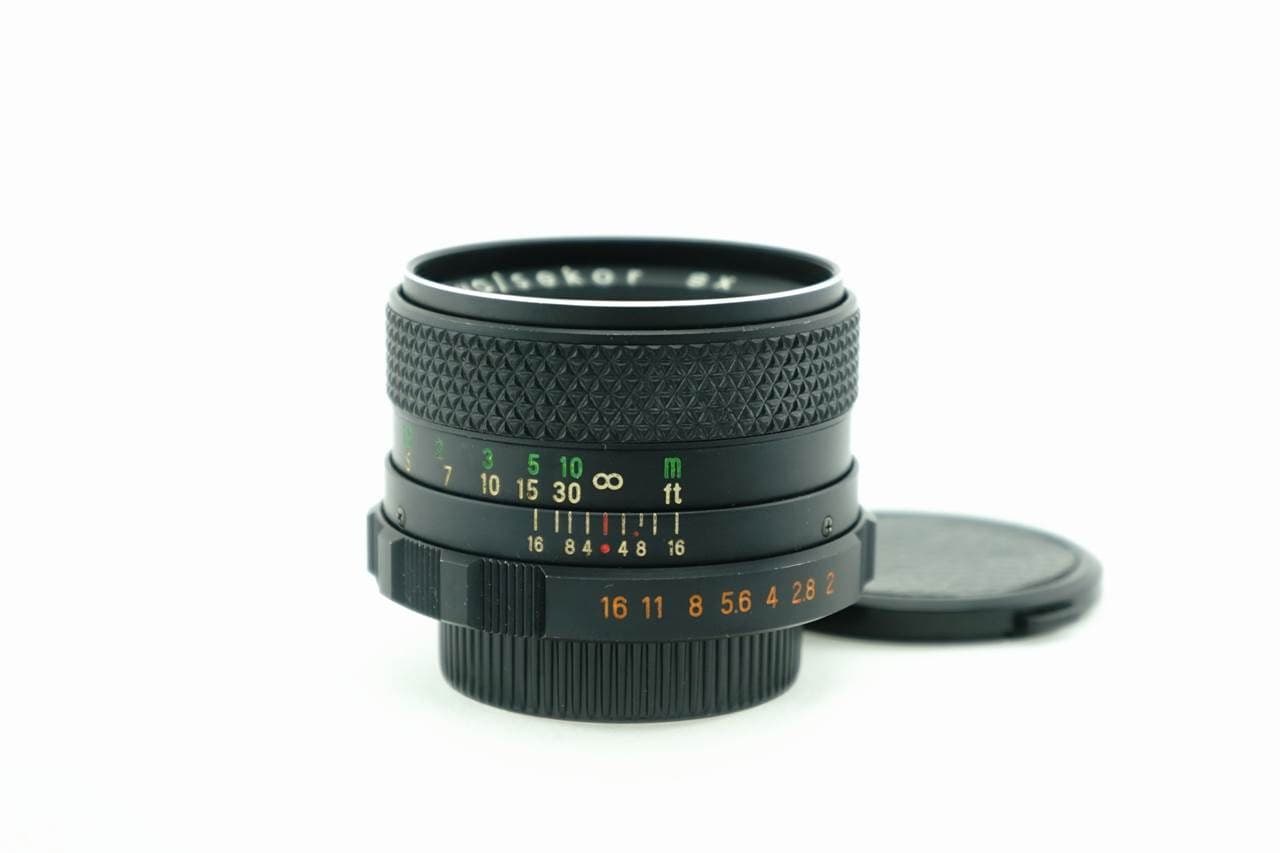
The Mamiya-Sekor E 50mm f/1.7 was the fast normal lens for Mamiya's E system — documented as Mamiya's last 35mm SLR system and, notably, the first Japanese SLR system to adopt an electronic bayonet (the ZE mount), which passed data between body and lens for electronic aperture control. That electronic heritage placed it at an interesting hinge point in camera history: mechanical craftsmanship married to early automation, with four EF-series lenses added in 1981 for the ZE-X body and its distance-priority flash exposure. Optically it is a compact, solidly built normal lens built on a classic 6-element/5-group double-Gauss layout carrying Mamiya's multi-coating. It has earned quiet affection not through hype but through its look: reviewers describe it as rendering in a soft, analog style with creamy bokeh, flattering skin tones, and an unforced, non-modern color palette that makes it a natural portrait lens. No established nicknames are used by the sources — this is a lens loved for how its frames feel rather than for any legend attached to its name.
สรุป: Buy this lens if you want a soft, analog rendering for portraits — creamy bokeh, flattering skin tones, and a muted, non-modern color palette that modern clinical lenses can't fake. It rewards the photographer who shoots wide open for mood and stops down to f/4–f/5.6 when they want crispness. Do not buy it if you need edge-to-edge sharpness at maximum aperture or consistently perfect corners: it is soft toward the edges wide open, its faster f/1.4 sibling is sharper open, and sample-to-sample quality control varies, so the corner-hunting pixel-peeper will be happier elsewhere.

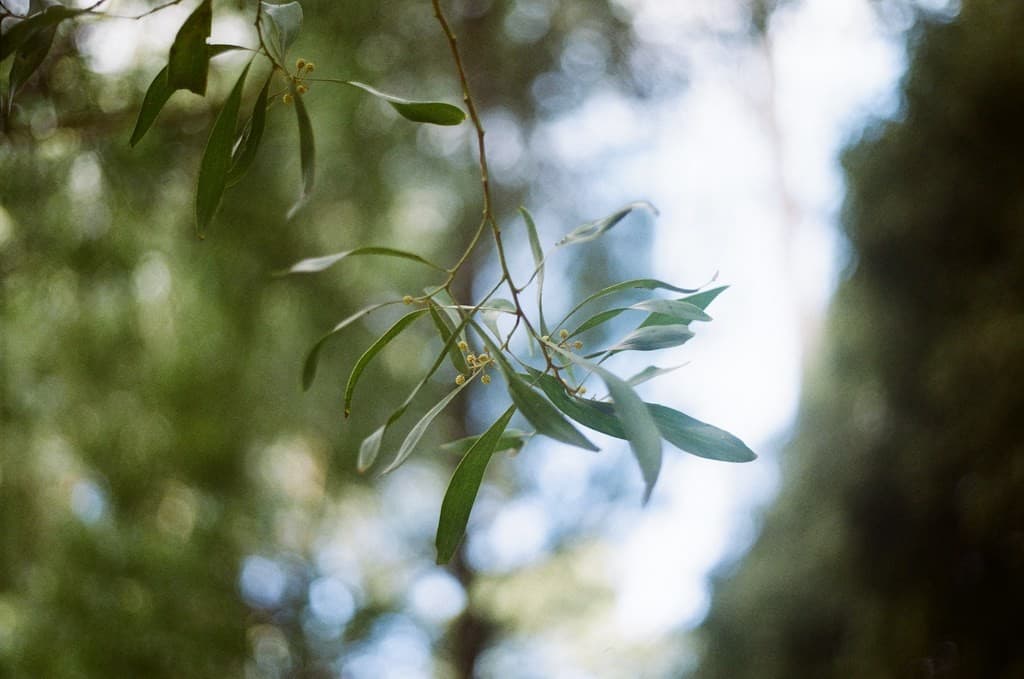



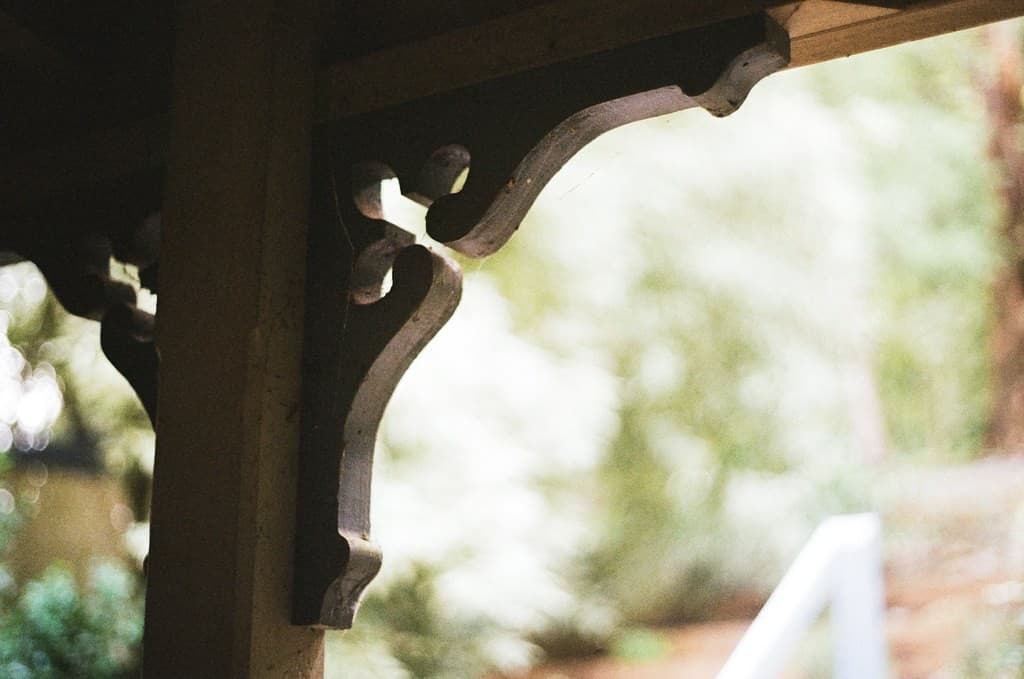
Buy this lens if you want a soft, analog rendering for portraits — creamy bokeh, flattering skin tones, and a muted, non-modern color palette that modern clinical lenses can't fake. It rewards the photographer who shoots wide open for mood and stops down to f/4–f/5.6 when they want crispness. Do not buy it if you need edge-to-edge sharpness at maximum aperture or consistently perfect corners: it is soft toward the edges wide open, its faster f/1.4 sibling is sharper open, and sample-to-sample quality control varies, so the corner-hunting pixel-peeper will be happier elsewhere.