ปีผลิต
-
ผลิตที่
Japan
สูตรเลนส์
-
อัปเดต
16 ก.ค. 2569
Contax/Yashica · 50mm · f/1.9
ปีผลิต
-
ผลิตที่
Japan
สูตรเลนส์
-
อัปเดต
16 ก.ค. 2569
The Yashica ML is the standard-lens line Yashica built for the Contax/Yashica bayonet, a mount born from the 1973 partnership between Yashica and Carl Zeiss that revived the CONTAX brand. In that arrangement Zeiss supplied the premium glass while Yashica produced the more affordable lenses that still held respectably high quality — the ML 50mm being the workhorse standard prime of that program. Reviewers note the glass may have come from Tomioka Optics, but this is explicitly unconfirmed because Yashica sourced lenses from multiple optical makers, so attribution cannot be pinned down. The 'ML' badge is generally understood to denote the multi-coated series (general context, not something the reviews confirm). No established nickname or coined moniker exists for this lens in the sources — reviewers do not give it one, and none should be invented. Its small cult following rests on one thing the reviews repeatedly land on: it produces a swirly, spinning background blur that reviewers place squarely in the company of the Helios 44 series, but paired with focus-plane resolution one writer calls 'amazing' and cleaner, lighter color. In short, people chase it as a budget path to Helios-style swirl without giving up sharpness.
สรุป: The Yashica ML 50mm is for the shooter who wants Helios-44-style swirly bokeh but refuses to trade away sharpness or clean color to get it. It delivers a genuinely crisp focus plane, lighter natural color, resilient contrast, and low vignetting, wrapped around a characterful spinning background that's at its best with backlit, textured backgrounds and close subjects. Just accept that the blur is distance-dependent and can get busy — work your subject spacing and it rewards you. A character lens first, a competent everyday standard second.
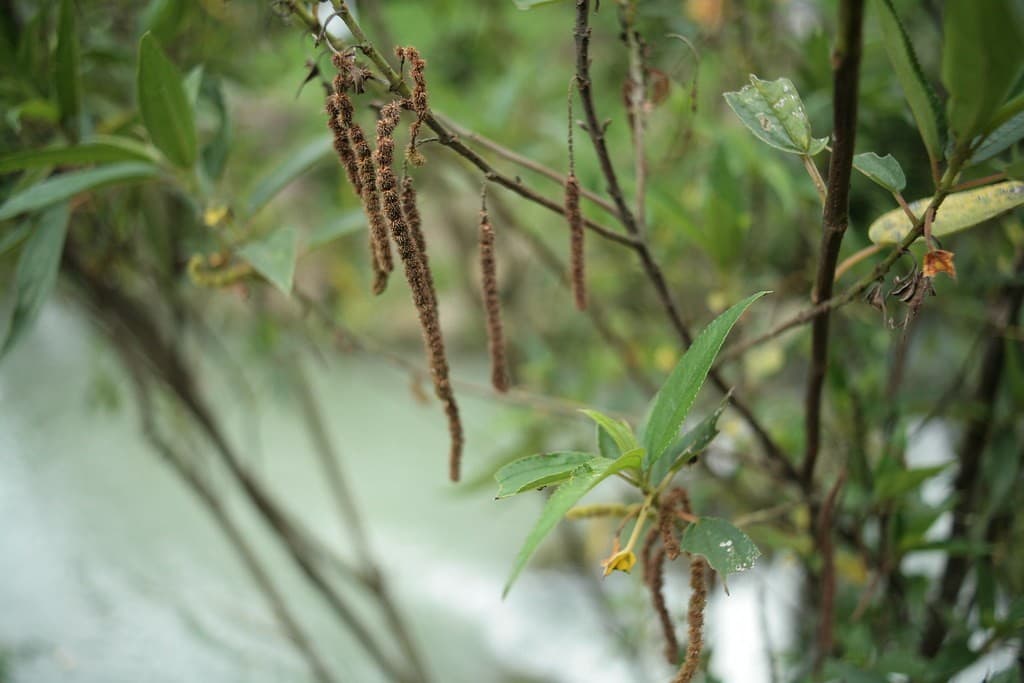
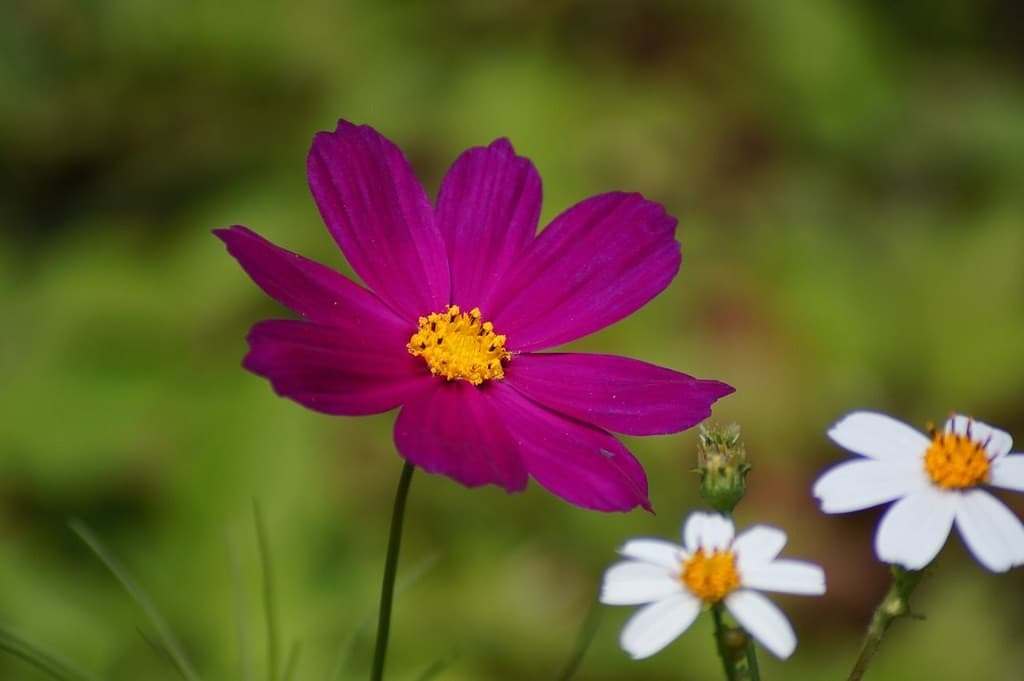
โบเก้วน ให้การละลายฉากหลังแบบหมุนเทียบได้กับซีรีส์ Helios 44 โดยมีการละลายขนาดใหญ่และเด่นชัดเมื่อถ่ายระยะใกล้
การถ่ายทอดสีค่อนข้างอ่อนกว่ารุ่น Yashica อื่นๆ เล็กน้อย
เมื่อเปิดกว้างสุด ให้ความคมชัดสูงและความละเอียดดีบนระนาบโฟกัส แต่โดยรวมความคมชัดอยู่ในระดับกลางเมื่อตัดสินกับเลนส์ 50mm อื่นๆ
การออกแบบมีสารเคลือบหลายชั้น สีและคอนทราสต์ยังคงอยู่เมื่อต้องเผชิญแสงจ้า ซึ่งบ่งชี้ว่าทนต่อแฟลร์/แสงฟุ้งได้ในระดับที่สมเหตุสมผล
คอนทราสต์ยังคงดีแม้ในแสงจ้าเมื่อถ่ายวัตถุที่มีโทนสีอ่อน
อะแดปเตอร์จริงจากร้านที่ใช้กับเมาท์ของเลนส์นี้ได้
Standard · ฿325 · มีสินค้า
Standard · ฿325 · มีสินค้า
Standard · ฿325 · มีสินค้า
Standard · ฿540 · มีสินค้า
Standard · ฿540 · มีสินค้า
Standard · ฿540 · มีสินค้า
Standard · ฿540 · มีสินค้า
Standard · ฿1,250 · มีสินค้า
Standard · หมด
Standard · หมด
The Yashica ML 50mm is for the shooter who wants Helios-44-style swirly bokeh but refuses to trade away sharpness or clean color to get it. It delivers a genuinely crisp focus plane, lighter natural color, resilient contrast, and low vignetting, wrapped around a characterful spinning background that's at its best with backlit, textured backgrounds and close subjects. Just accept that the blur is distance-dependent and can get busy — work your subject spacing and it rewards you. A character lens first, a competent everyday standard second.