ปีผลิต
1939 – 1965
ผลิตที่
East Germany
สูตรเลนส์
6 elements in 4 groups (Double Gauss/Biotar type)
อัปเดต
15 ก.พ. 2569
M42 / Exakta
ปีผลิต
1939 – 1965
ผลิตที่
East Germany
สูตรเลนส์
6 elements in 4 groups (Double Gauss/Biotar type)
อัปเดต
15 ก.พ. 2569
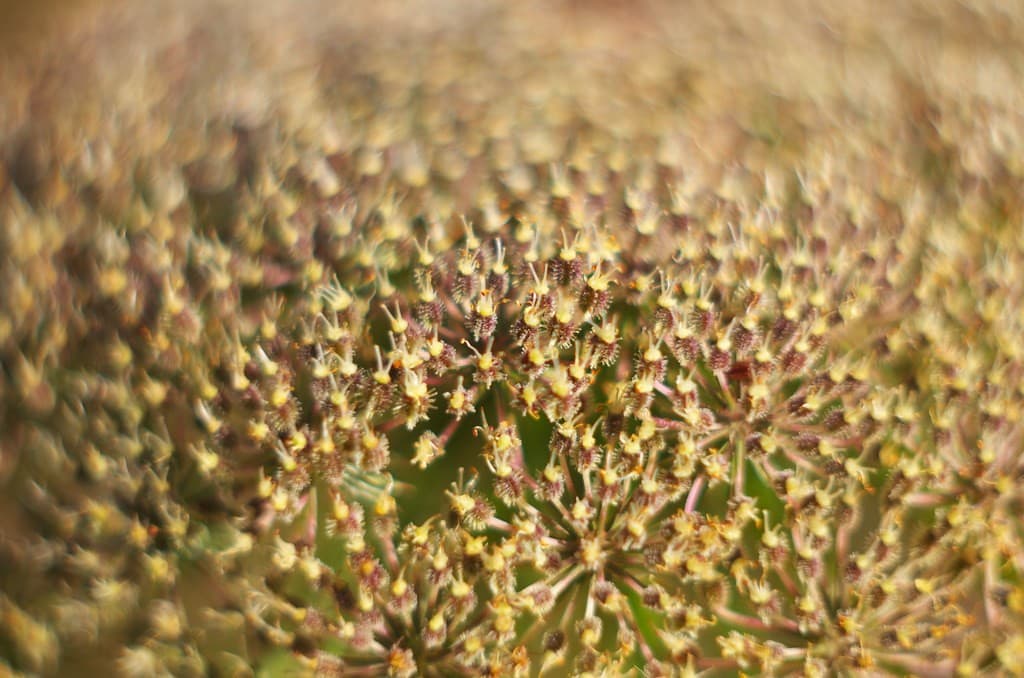
Carl Zeiss Jena Biotar 58mm f/2 เป็นบรรพบุรุษของเลนส์ปกติที่รวดเร็วในยุคสมัยใหม่ ออกแบบโดย Willi Merté ในปี 1936 สูตร Biotar กลายเป็นรากฐานสำหรับเลนส์ระยะ Normal Double-Gauss เกือบทุกตัวที่ตามมา — รวมถึง Planar, Nikkor และ Helios 44 ผลิตในเยอรมนีตะวันออก (DDR) หลังสงครามโลกครั้งที่สอง Biotar ถือ DNA ดั้งเดิมของ Zeiss ก่อนที่บริษัทจะแยกตัว นี่คือชิ้นส่วนที่มีชีวิตของประวัติศาสตร์ทางแสง
สรุป: ชิ้นส่วนของประวัติศาสตร์ทางแสงที่มีชีวิต Biotar ไม่เหมาะสำหรับผู้ที่ชอบดูพิกเซล — มันเหมาะสำหรับช่างภาพที่ต้องการบุคลิกภาพและจิตวิญญาณ Bokeh ที่หมุนวนซึ่งสร้างแรงบันดาลใจให้กับคนรุ่นก่อนมาที่นี่ในรูปแบบดั้งเดิม ไม่ใช่เรื่องที่ใช้งานได้จริง แต่มีความเป็นเอกลักษณ์อย่างยิ่ง คนรักเลนส์ทุกคนควรลองสักครั้ง
ความคมชัดที่กลางภาพดีในค่ารูรับแสง f/4 และยอดเยี่ยมที่ f/5.6-8 ส่วนกลางและมุมภาพจะมีความนุ่มนวลมากขึ้นเมื่อใช้รูรับแสงกว้าง โดยจะสามารถให้ความคมชัดในระดับดีถึงดีมากที่ f/8-16
มีการเกิด vignetting ที่มองเห็นได้เมื่อใช้รูรับแสงกว้าง แต่จะดีขึ้นเมื่อปรับรูรับแสงลงไปที่ f/8-11
Summary: The community has a mixed sentiment towards the Helios 58mm lens, with some users reporting it as an amazing value for money Zeiss Biotar equivalent, while others finding it to be a "worthless paperweight." The lenses seem to vary significantly in terms of sharpness and flare characteristics, with some models being preferred for their unique artistic qualities. Sentiment: Mixed Top Praised: - Unique flare characteristics that can be desirable for certain projects - Potential for Zeiss Biotar-like image quality in some models - Affordability compared to modern lenses Top Complaints: - Inconsistent quality, with some models being significantly softer than others - Unpredictable flare behavior, which may be a flaw for some users - Potential for lenses to be "worthless" if they don't meet expectations Use Cases: - Vintage/film-like aesthetic, especially when using wide-open apertures - Artistic projects where unique flare patterns are desirable - Budget-conscious filmmaking or photography where a Zeiss-like look is sought Disagreements: - There seems to be a divide between users who see the lens as a valuable tool and those who consider it a "paperweight" Confidence: 0.8
https://phillipreeve.net/blog/carl-zeiss-jena-tessar-50mm-f-2-8-review/
Carl Zeiss Jena Biotar 58mm f/2 เป็นบรรพบุรุษของเลนส์ปกติที่รวดเร็วในยุคสมัยใหม่ ออกแบบโดย Willi Merté ในปี 1936 สูตร Biotar กลายเป็นรากฐานสำหรับเลนส์ระยะ Normal Double-Gauss เกือบทุกตัวที่ตามมา — รวมถึง Planar, Nikkor และ Helios 44 ผลิตในเยอรมนีตะวันออก (DDR) หลังสงครามโลกครั้งที่สอง Biotar ถือ DNA ดั้งเดิมของ Zeiss ก่อนที่บริษัทจะแยกตัว นี่คือชิ้นส่วนที่มีชีวิตของประวัติศาสตร์ทางแสง