ปีผลิต
1964 – 1972
ผลิตที่
Japan
สูตรเลนส์
6 elements in 4 groups, single coated, auto diaphragm, f/1.8-f/16 in 1/2-stop increments.
อัปเดต
8 ก.ค. 2569
M42 · 55mm · f/1.8
ปีผลิต
1964 – 1972
ผลิตที่
Japan
สูตรเลนส์
6 elements in 4 groups, single coated, auto diaphragm, f/1.8-f/16 in 1/2-stop increments.
อัปเดต
8 ก.ค. 2569
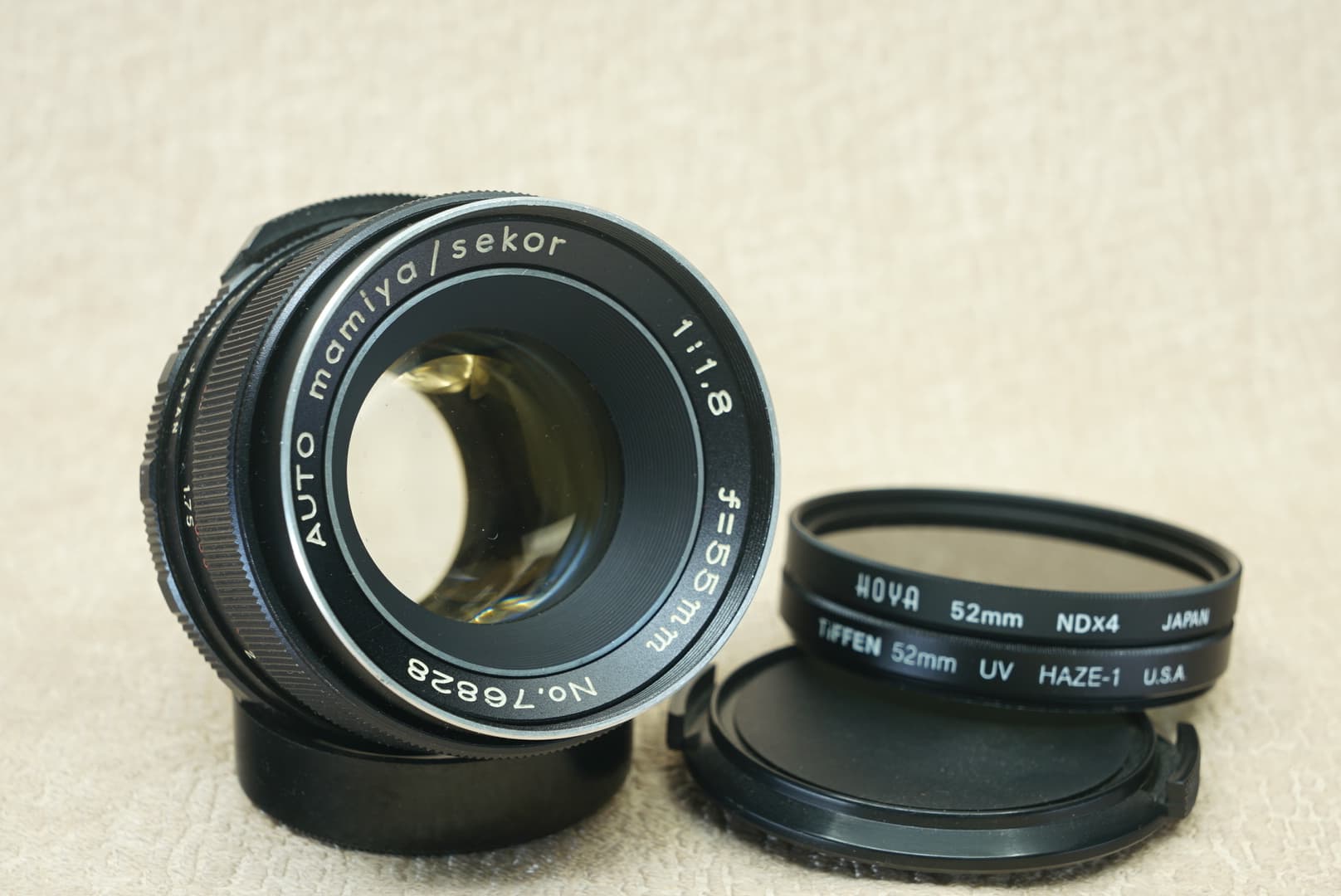
Mamiya/Sekor 55mm f/1.8 เป็นหนึ่งในสองเลนส์มาตรฐานที่ติดเป็นคิทสำหรับกล้อง SLR ฟิล์ม 35mm ซีรีส์ TL/DTL ของ Mamiya ซึ่งผลิตตั้งแต่กลางทศวรรษ 1960 จนถึงต้นทศวรรษ 1970 อยู่ในตระกูลผลผลิตภาพของ Mamiya — บริษัทที่สร้างชื่อจากชิ้นเลนส์ที่ทนทานและแก้ความคลาดได้ดี รวมถึงไลน์ C330S TLR ที่ผู้รีวิวบางคนอ้างถึง มีสองสไตล์ของตัวกระบอก: เวอร์ชันเก่าจะมีวงแหวนขอบโลหะเงา ในขณะที่เวอร์ชันหลังจะพ่นสีดำ แหล่งผลิตโดยทั่วไปมักระบุว่าเป็น Mamiya/Sekor แม้จะมีรายงานการผลิตโดย Tomioka บ้าง และรูปลักษณ์ทางกายภาพของเลนส์นี้มีความคล้ายคลึงกับเลนส์ Komine บางรุ่นในยุคเดียวกัน บทวิจารณ์ร่วมสมัยจากนิตยสาร Photography ในปี 1967 และ 1968 (Arthur Palmer และ Ron Spillman) ชมเชยผลงานบนม้านั่งทดสอบ: คุณภาพขอบเลนส์ดีมาก คอนทราสต์โดดเด่น การเปลี่ยนโฟกัสเมื่อหรี่รูรับแสงแทบจะไม่มี และมี coma เล็กน้อยเฉพาะตรงขอบสุดเท่านั้น ไม่มีชื่อเล่นหรือนิยามแสลงที่ใช้เรียกเลนส์รุ่นนี้โดยเฉพาะ ที่สำคัญคือเวอร์ชันที่ไม่ใช่ SX ตัวนี้ยืนยันแล้วว่าไม่เป็นกัมมันตภาพรังสี — การมีสารเคลือบสีน้ำตาล/เหลืองของ Mamiya แบบที่พบทั่วไปไม่ได้บ่งชี้ว่ามีรังสี (ในขณะที่รุ่นพี่ที่เป็น f/1.4 นั้นเป็นกัมมันตภาพรังสี และเวอร์ชัน SX บางตัวก็เป็นเช่นกัน) กลุ่มคนชื่นชอบในปัจจุบันมาจากการที่มันเป็นเลนส์มาตรฐานวินเทจที่ราคาถูกแต่มีบุคลิกและคาแรกเตอร์ ใช้งานได้คมเพียงพอเมื่อเปิดกว้างสุดบนบอดี้ดิจิทัลยุคใหม่ และผู้รีวิวบรรยายว่ามี 'บุคลิกภาพมากมาย'
สรุป: Mamiya/Sekor 55mm f/1.8 เป็นเลนส์มาตรฐานวินเทจที่ดีเยี่ยมและมักประเมินค่าต่ำ เหมาะสำหรับช่างภาพที่ต้องการคาแรกเตอร์แท้ ๆ โดยไม่แลกด้วยความคม มันให้คอนทราสต์และรายละเอียดยอดเยี่ยมแม้เมื่อเปิดกว้างสุด พร้อมโบเก้ครีมมี่และการเด้งเชิงมิติเล็กน้อย ทั้งหมดบรรจุในตัวเรือนโลหะทั้งชิ้น เหมาะสำหรับถ่ายภาพบุคคล ท่องเที่ยว และการถ่ายทั่วไป โดยเฉพาะผู้ที่ให้ความสำคัญกับสัมผัสและการใช้งานแบบมือหมุน ควรยืนยันว่าที่ซื้อนั้นเป็นเวอร์ชัน non-SX ที่ไม่เป็นกัมมันตภาพรังสี หากต้องการการเรนเดอร์แบบนี้โดยเฉพาะ
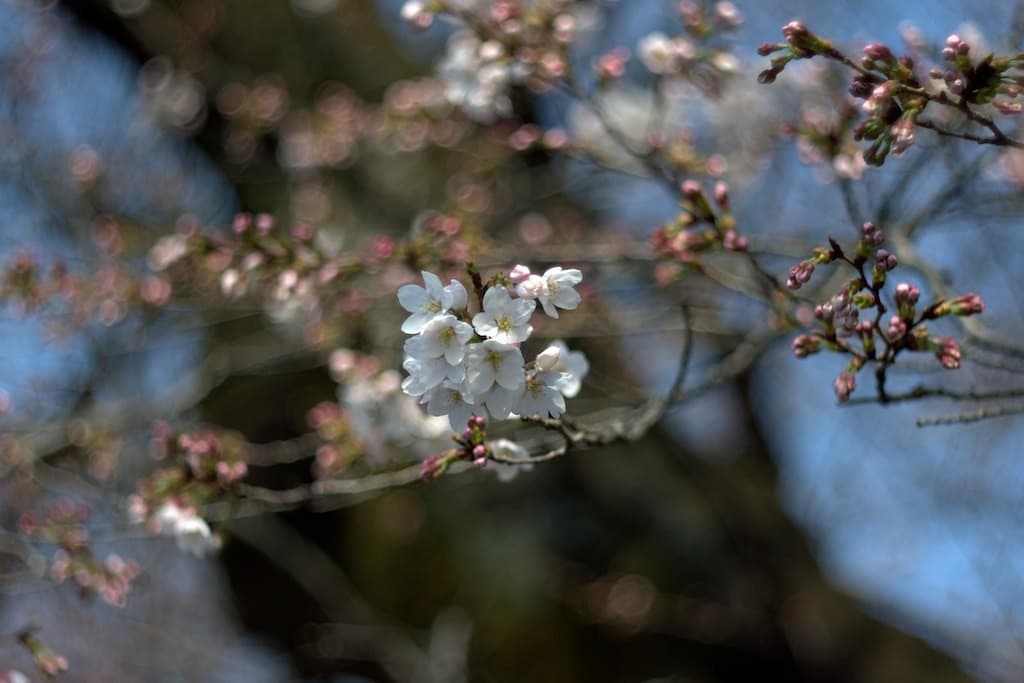
ให้โบเก้เนียนนุ่มและมีเอกลักษณ์เมื่อใช้ที่รูรับแสงกว้างสุด f/1.8 โดยผู้ผลิตระบุว่าไม่เกิดเอฟเฟกต์โบเก้แบบหมุนหรือแบบฟองสบู่
ให้โทนภาพไปทางอบอุ่น พร้อมการไล่เฉดสีอย่างนุ่มนวล — สอดคล้องกับการเคลือบเลนส์ชั้นเดียวของ Mamiya ที่มีสีออกน้ำตาล/เหลือง
ให้ความคมชัดสูงมาก พร้อมคุณภาพบริเวณขอบภาพที่ยอดเยี่ยม — ใช้งานได้เมื่อเปิดรูรับแสงกว้างสุด และยิ่งคมชัดเป็นพิเศษเมื่อหรี่รูรับแสงลง
คอนทราสต์โดยรวมยอดเยี่ยม พร้อมไมโครคอนทราสต์ที่เข้มข้น ทำให้ได้รายละเอียดภาพอย่างล้นเหลือ
อะแดปเตอร์จริงจากร้านที่ใช้กับเมาท์ของเลนส์นี้ได้
Standard · ฿325 · มีสินค้า
Standard · ฿325 · มีสินค้า
Standard · ฿325 · มีสินค้า
Standard · ฿325 · มีสินค้า
Standard · ฿540 · มีสินค้า
Standard · ฿540 · มีสินค้า
Standard · ฿540 · มีสินค้า
Standard · ฿540 · มีสินค้า
Standard · ฿540 · มีสินค้า
Standard · ฿1,250 · มีสินค้า
Standard · ฿890 · หมด
Standard · ฿890 · หมด
Mamiya/Sekor 55mm f/1.8 เป็นเลนส์มาตรฐานวินเทจที่ดีเยี่ยมและมักประเมินค่าต่ำ เหมาะสำหรับช่างภาพที่ต้องการคาแรกเตอร์แท้ ๆ โดยไม่แลกด้วยความคม มันให้คอนทราสต์และรายละเอียดยอดเยี่ยมแม้เมื่อเปิดกว้างสุด พร้อมโบเก้ครีมมี่และการเด้งเชิงมิติเล็กน้อย ทั้งหมดบรรจุในตัวเรือนโลหะทั้งชิ้น เหมาะสำหรับถ่ายภาพบุคคล ท่องเที่ยว และการถ่ายทั่วไป โดยเฉพาะผู้ที่ให้ความสำคัญกับสัมผัสและการใช้งานแบบมือหมุน ควรยืนยันว่าที่ซื้อนั้นเป็นเวอร์ชัน non-SX ที่ไม่เป็นกัมมันตภาพรังสี หากต้องการการเรนเดอร์แบบนี้โดยเฉพาะ