ปีผลิต
-
ผลิตที่
-
สูตรเลนส์
8 elements in 8 groups
อัปเดต
16 ก.ค. 2569
Canon FD (also sold in Nikon, Minolta, Pentax K, Yashica) · 28mm · f/3.5
ปีผลิต
-
ผลิตที่
-
สูตรเลนส์
8 elements in 8 groups
อัปเดต
16 ก.ค. 2569
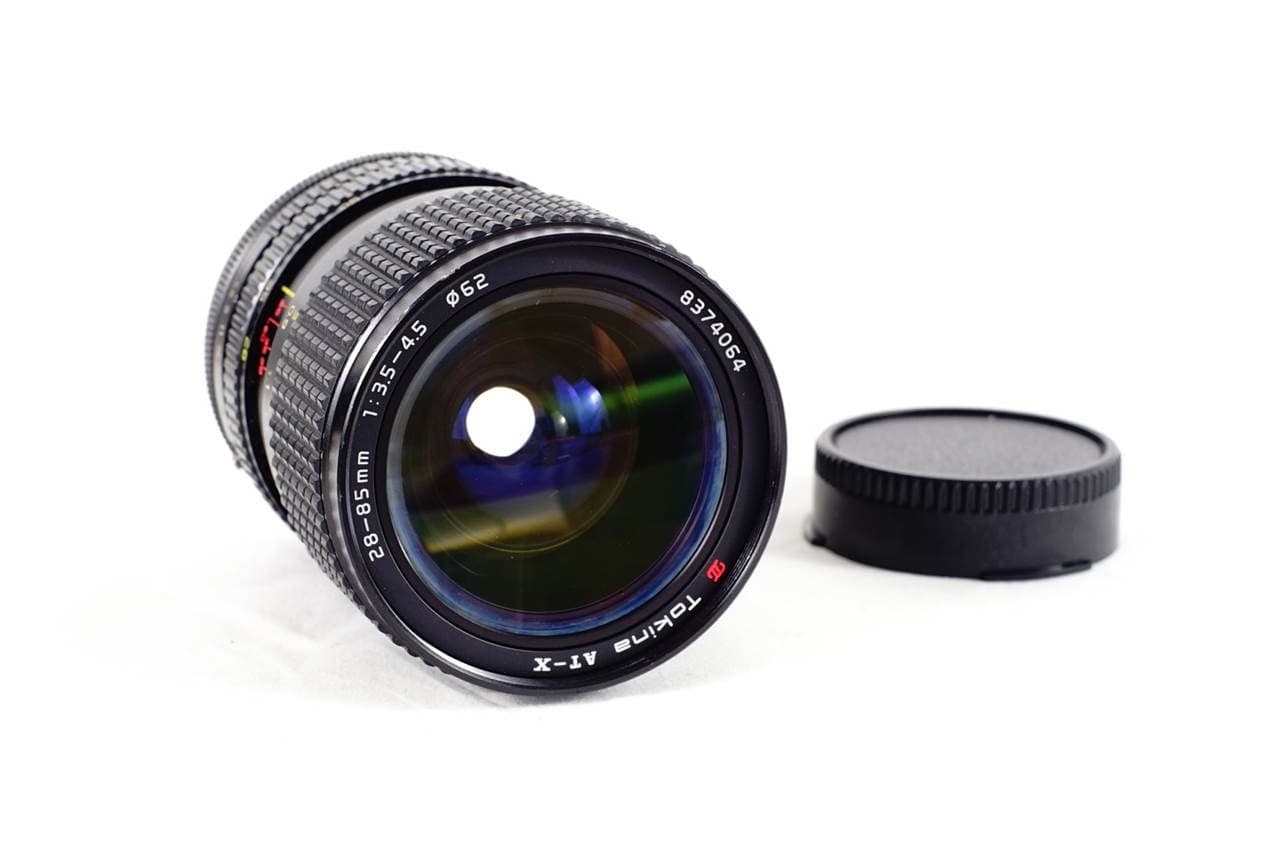
Tokina SD 28-70mm f/3.5-4.5 เกิดจากยุคของเลนส์ซูมระยะกลางที่กะทัดรัดและประหยัดซึ่งออกแบบในทศวรรษ 1980–1990 เพื่อให้ "ติดกล้องอยู่ทั้งวัน" วางจำหน่ายในหลายเมาท์รวมถึง Canon FD, Nikon, Minolta, Pentax K และ Yashica ทำหน้าที่เป็นตัวเลือกทำงานที่คุ้มค่าทดแทนเลนส์ซูมแบรนด์ดังและเป็นการอัพเกรดที่สมเหตุสมผลจากเลนส์ไพรม์ชุดพื้นฐาน ตัวอักษร "SD" ในชื่อหมายถึงการใช้ชิ้นเลนส์ชนิด Super Low Dispersion ของ Tokina เพื่อช่วยลดความคลาดสีและปรับปรุงความคมชัดในช่วงซูม ในเวอร์ชันสำหรับ Pentax (วางตลาดในชื่อ SZ-X 270 SD MF 28-70mm F3.5-4.5) เลนส์ตัวนี้จับคู่ได้ดีโดยธรรมชาติกับพี่น้อง 70-210mm ผู้รีวิวที่ใช้เลนส์นี้ในยุคฟิล์มมักกล่าวชื่นชมว่าเป็น "อัญมณีน้อย" ไม่มีฉายาที่เป็นที่ยอมรับหรือศัพท์เฉพาะวงการสำหรับเลนส์รุ่นนี้ในแหล่งข้อมูลหลัก มันถูกจดจำในฐานะเลนส์ราคาย่อมเยา น้ำหนักเบา และให้ผลงานที่ตรงไปตรงมามากกว่าจะเป็นตำนาน เสน่ห์ของมันในปัจจุบันมาจากขนาดกะทัดรัด การควบคุมแบบมือหมุนที่จับได้ถนัด คอนทราสต์ที่น่าพอใจ และแฟลร์แบบวินเทจที่มีคาแรคเตอร์ซึ่งผู้ถ่ายภาพดิจิทัลและวิดีโอบางกลุ่มแสวงหาเป็นพิเศษ
สรุป: Tokina SD 28-70mm f/3.5-4.5 เป็นเลนส์ซูมเดินทางเก่าแต่มีเสน่ห์ ตรงไปตรงมา และราคาย่อมเยา ที่ให้รางวัลกับการถ่ายภาพแบบมือหมุนอย่างตั้งใจ ความคมชัดกลางที่แข็งแรง คอนทราสต์ที่น่าพอใจ และสีสันที่เป็นธรรมชาติ (ค่อนข้างเย็นเล็กน้อย) ทำให้มันเป็นเพื่อนร่วมเลนส์ชิ้นเดียวที่สนุกทั้งบนฟิล์มและบนกล้องมิเรอร์เลสที่ดัดแปลง—ถ้าคุณยอมรับขอบภาพที่นุ่มและมีแนวโน้มเกิดความคลาดสีได้ มันเหมาะสำหรับการเดินทาง สตรีท งานสารคดี และภาพใกล้ ๆ แบบไม่ซีเรียสเมื่อมีงบจำกัด รวมถึงผู้ถ่ายวิดีโอที่ให้คุณค่ากับแฟลร์แบบวินเทจ ผู้ที่ไล่ตามความคมชัดทั่วทั้งภาพบนเซนเซอร์ความละเอียดสูงควรมองหาตัวเลือกอื่น
โบเก้อยู่ในระดับปานกลาง; ไดอะแฟรม 6 ใบทำให้ไฮไลต์เป็นรูปหกเหลี่ยม — ให้ผลค่อนข้างดีที่ f/3.5 และที่ระยะ 70 มม.
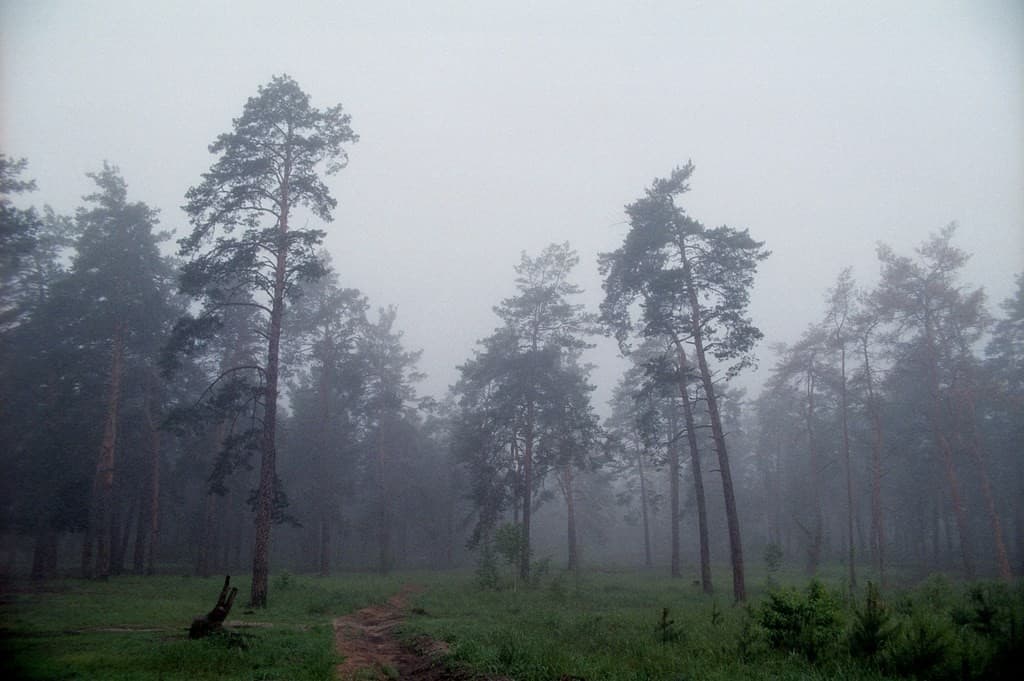
โทนสีโดยรวมเป็นธรรมชาติ เอนเล็กน้อยไปทางเย็น ให้การถ่ายทอดภาพโดยรวมที่น่าพอใจ
ความคมบริเวณกลางภาพอยู่ในระดับดีถึงดีมากในทุกช่วงทางยาวโฟกัส โดยให้ผลดีที่สุดที่ประมาณ f/8; ขอบภาพค่อนข้างเบลอและอ่อนที่สุดที่ 28 มม. ขณะที่คมที่สุดที่ 50 มม.
การเคลือบเลนส์ช่วยรักษาคอนทราสต์เมื่อถ่ายในสภาพย้อนแสง แต่การออกแบบของเลนส์กลับให้แฟลร์วินเทจแบบมีเอกลักษณ์ ซึ่งช่างภาพบางคนแสวงหา
คอนทราสต์โดยรวมที่ดี เน้นความเปรียบต่าง ซึ่งผู้รีวิวชื่นชมอย่างต่อเนื่อง
Tokina SD 28-70mm f/3.5-4.5 เป็นเลนส์ซูมเดินทางเก่าแต่มีเสน่ห์ ตรงไปตรงมา และราคาย่อมเยา ที่ให้รางวัลกับการถ่ายภาพแบบมือหมุนอย่างตั้งใจ ความคมชัดกลางที่แข็งแรง คอนทราสต์ที่น่าพอใจ และสีสันที่เป็นธรรมชาติ (ค่อนข้างเย็นเล็กน้อย) ทำให้มันเป็นเพื่อนร่วมเลนส์ชิ้นเดียวที่สนุกทั้งบนฟิล์มและบนกล้องมิเรอร์เลสที่ดัดแปลง—ถ้าคุณยอมรับขอบภาพที่นุ่มและมีแนวโน้มเกิดความคลาดสีได้ มันเหมาะสำหรับการเดินทาง สตรีท งานสารคดี และภาพใกล้ ๆ แบบไม่ซีเรียสเมื่อมีงบจำกัด รวมถึงผู้ถ่ายวิดีโอที่ให้คุณค่ากับแฟลร์แบบวินเทจ ผู้ที่ไล่ตามความคมชัดทั่วทั้งภาพบนเซนเซอร์ความละเอียดสูงควรมองหาตัวเลือกอื่น