ปีผลิต
-
ผลิตที่
-
สูตรเลนส์
-
อัปเดต
4 ก.ค. 2569
Minolta MD · 135mm · f/2.8
ปีผลิต
-
ผลิตที่
-
สูตรเลนส์
-
อัปเดต
4 ก.ค. 2569
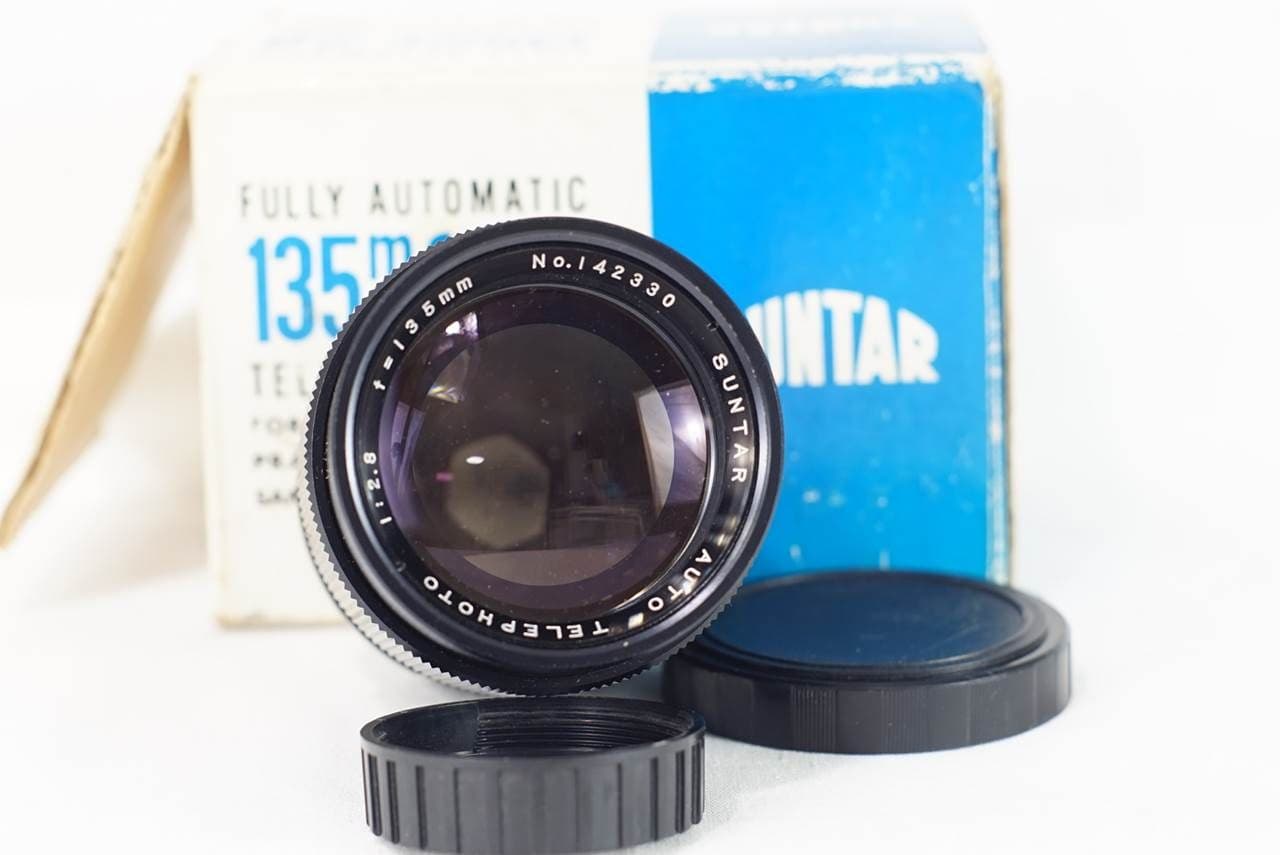
Star-D 135mm f2.8 เป็นเลนส์เทเลโฟโต้จากผู้ผลิตอิสระนอกค่ายราคาประหยัดที่ขายภายใต้แบรนด์ 'Star-D Gold Line' ซึ่งเป็นแบรนด์ย่อยที่เน้นความคุ้มค่าที่มักพบกับเลนส์มือหมุนราคาถูกในยุคฟิล์มปลายยุค รีวิวที่มีเอกสารเพียงชิ้นเดียวมาจากเวอร์ชันเมาท์ Pentax ที่เป็น Gold Line ผลิตที่เกาหลีและเป็นเมาท์ KR (Ricoh Pin) แต่เลนส์รุ่นนี้ก็มีจำหน่ายในเมาท์อื่นๆ รวมถึง Minolta MD ตามที่ระบุไว้ที่นี่ เลนส์ไม่เคยเป็นกระจกระดับไฮเอนด์ แต่เป็นทางเลือกราคาถูกที่ประกอบได้ดีเมื่อเทียบกับเลนส์ 135mm ของผู้ผลิตกล้องโดยตรง ผู้รีวิวซื้อเลนส์ตัวของเขาในราคาเพียง $27 และเสน่ห์ของเลนส์นี้อยู่ที่ราคาที่ต่ำมากพร้อมการละลายส่วนที่อยู่นอกโฟกัสที่น่าพอใจอย่างน่าประหลาด จนถึงตอนนี้ยังไม่มีชื่อเล่นที่เป็นที่ยอมรับในชุมชน ความนิยมแบบกลุ่มเฉพาะที่พอมีมาจากนักล่าของถูกที่พบว่าเลนส์ราคาต่ำกว่า $30 สามารถให้โบเก้ครีมที่น่าประทับใจเมื่อดัดแปลงไปใช้กับกล้องดิจิทัลสมัยใหม่
สรุป: Star-D 135mm f2.8 เป็นเลนส์สำหรับถ่ายพอร์ตเทรตและการแยกฉากหลังที่เหมาะกับคนงบน้อยและนักถ่ายที่ให้ความสำคัญกับโบเก้ครีมมากกว่าคอนทราสต์ที่คมชัด นี่ไม่ใช่เลนส์ที่คมจัดหรือคอนทราสต์สูงตั้งแต่แกะกล่อง และความยาวโฟกัสที่ยาวอาจใช้ยากบนกล้องเซนเซอร์ครอป แต่ด้วยราคาทำให้ได้การละลายส่วนที่อยู่นอกโฟกัสที่น่าสนใจเมื่อปรับแต่งเล็กน้อย เหมาะที่สุดสำหรับผู้ที่ชอบใช้อะแดปเตอร์และผู้ถ่ายภาพงบจำกัด ไม่เหมาะกับคนที่ต้องการความคมกริบเป๊ะ ๆ แบบไร้อารมณ์
ให้ภาพโทนละมุนและเรียบเนียน นักวิจารณ์ให้คะแนนเต็ม 10 และระบุว่านี่คือเสน่ห์หลัก
คุณภาพโดยรวมถือว่าใช้ได้ แต่ยังไม่โดดเด่น ให้คะแนน 7/10; ความแม่นยำในการโฟกัสจากภาพตัวอย่างยังไม่แน่ชัด
ให้คอนทราสต์ต่ำมากเมื่อเปิดรูรับแสงกว้างสุด — แต่โดยทั่วไปถือว่าเป็นปัญหาที่แก้ได้ง่ายใน Lightroom.
Star-D 135mm f2.8 เป็นเลนส์สำหรับถ่ายพอร์ตเทรตและการแยกฉากหลังที่เหมาะกับคนงบน้อยและนักถ่ายที่ให้ความสำคัญกับโบเก้ครีมมากกว่าคอนทราสต์ที่คมชัด นี่ไม่ใช่เลนส์ที่คมจัดหรือคอนทราสต์สูงตั้งแต่แกะกล่อง และความยาวโฟกัสที่ยาวอาจใช้ยากบนกล้องเซนเซอร์ครอป แต่ด้วยราคาทำให้ได้การละลายส่วนที่อยู่นอกโฟกัสที่น่าสนใจเมื่อปรับแต่งเล็กน้อย เหมาะที่สุดสำหรับผู้ที่ชอบใช้อะแดปเตอร์และผู้ถ่ายภาพงบจำกัด ไม่เหมาะกับคนที่ต้องการความคมกริบเป๊ะ ๆ แบบไร้อารมณ์