ปีผลิต
1973 – 1979
ผลิตที่
Japan
สูตรเลนส์
-
อัปเดต
4 ก.ค. 2569
Konica AR · 50mm · f/1.7
ปีผลิต
1973 – 1979
ผลิตที่
Japan
สูตรเลนส์
-
อัปเดต
4 ก.ค. 2569
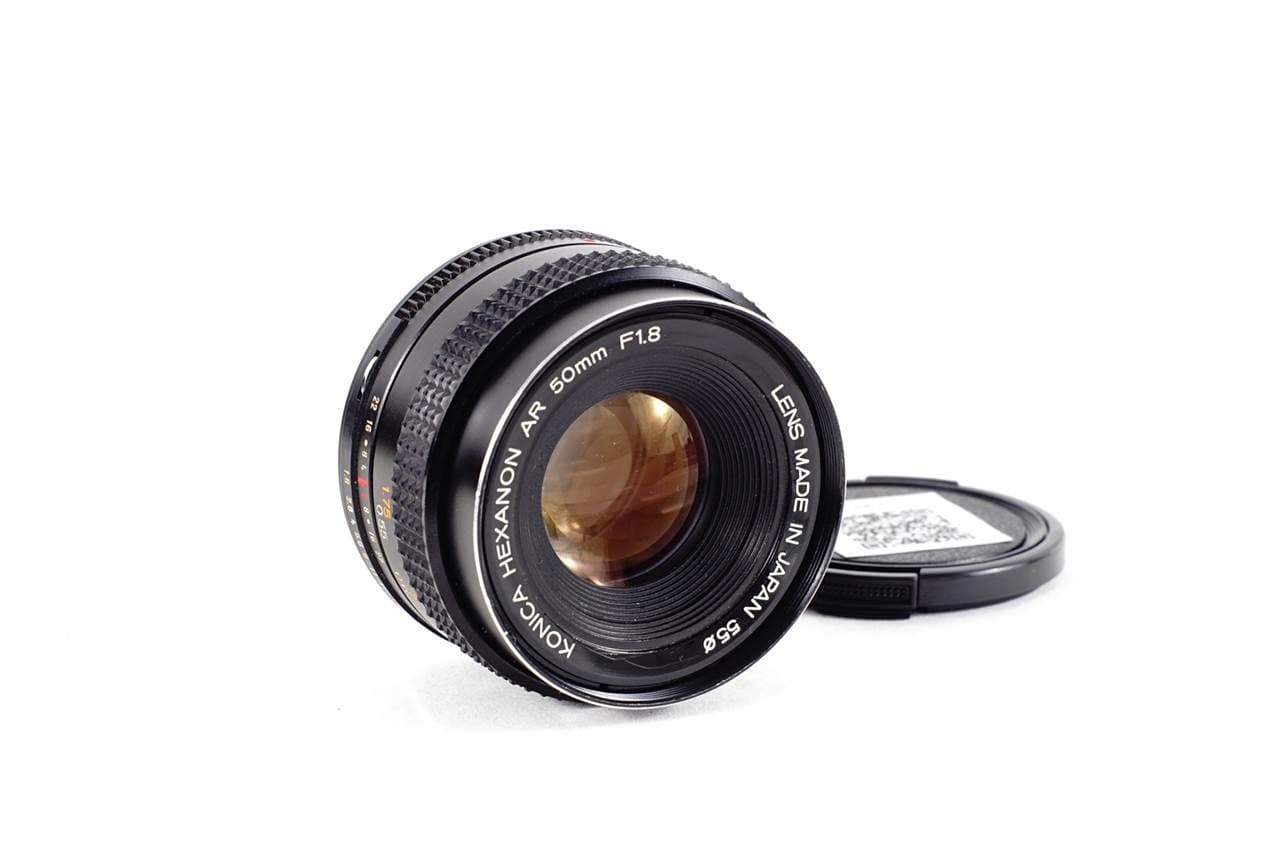
The Konica Hexanon AR 50mm f1.7 เปิดตัวในปี 1973 ในฐานะเลนส์ไพรม์มาตรฐานประจำกล้องของ Konica Autoreflex T3 กล้อง SLR รุ่นต่อจาก T2 ได้รับชื่อเสียงอย่างรวดเร็วเรื่องประสิทธิภาพด้านกระจกเลนส์ โดยเฉพาะความคม เมื่อ Konica ปรับไลน์สินค้าในปี 1976 ด้วย Autoreflex TC ที่มีขนาดเล็กลงและน้ำหนักเบาลง เวอร์ชันอัพเดตของเลนส์นี้ก็ออกมาให้เข้ากับตัวกล้องใหม่: ตัวเลนส์ทำให้เล็กลงและเบาลง ระยะโฟกัสใกล้สุดเพิ่มจาก 45cm เป็น 55cm และการแบ่งครึ่งสต็อปรูรับแสงถูกตัดออก แม้ว่าคุณภาพทางกระจกเลนส์จะกล่าวว่าไม่เปลี่ยน การผลิตของเวอร์ชันที่สองนี้ดำเนินต่อไปจนถึงปี 1979 เมื่อกล้อง FS-1 มาพร้อมกับเลนส์แพนเค้ก 40mm f1.8 แทน ในตระกูลเลนส์มาตรฐาน Hexanon ตำแหน่งของ f1.7 อยู่ในระดับเริ่มต้นหรือเป็นตัวเลือก "ราคาประหยัด" ต่ำกว่ารุ่นที่เร็วกว่าคือ 50mm f1.4 และรุ่นไอคอนิก 57mm f1.2 แม้จะเป็นรุ่นที่ช้าที่สุดในสามรุ่น แต่ผู้วิจารณ์มองว่าเป็นรุ่นที่คมที่สุดและมีการทำงานยอดเยี่ยมโดยรวม พร้อมสัดส่วนความคุ้มค่าต่อราคาที่อาจดีที่สุดในไลน์ Konica Hexanon มีผู้ใช้เลนส์มือหมุนยุคเก่าราวที่นิยมใช้กันน้อยกว่าในอดีต เนื่องจากระยะฟลานจ์สั้น (40.5mm) ทำให้ยากต่อการอะแดปต์ไปยัง DSLR โดยไม่ต้องใช้องค์ประกอบแก้ไขทางกระจกเลนส์ การเพิ่มขึ้นของกล้องมิเรอร์เลส เช่น Canon EOS R ที่มีระยะฟลานจ์สั้นกว่าอย่างมาก ทำให้การอะแดปต์แบบง่ายเป็นไปได้และจุดประกายความสนใจขึ้นมาใหม่ ไม่พบชื่อเล่นที่เป็นที่ยอมรับปรากฏในรีวิว
สรุป: The Konica Hexanon AR 50mm f1.7 เป็นเลนส์ไพรม์มาตรฐานที่คม มีคอนทราสต์ และมีคุณภาพการผลิตดี โดยให้สัดส่วนความคุ้มค่าต่อราคาที่น่าจะดีที่สุดในไลน์ Konica AR เหมาะสำหรับช่างภาพที่มีงบจำกัดที่ต้องการความคมของกลางภาพและการแยกวัตถุอย่างดี โดยเฉพาะบนบอดี้มิเรอร์เลสที่อะแดปต์ได้ง่าย ผู้ที่รำคาญไฮไลต์โบเก้รูปหกเหลี่ยมหรือแสวงหาการทำงานของรูรับแสงที่นุ่มลื่นเป็นพิเศษอาจเลือกเลนส์อื่น แต่ในแง่มูลค่าและคุณภาพภาพ รุ่นนี้ยากที่จะเอาชนะได้
การแยกวัตถุจากฉากหลังยอดเยี่ยม แต่เนื่องจากเป็นไดอะแฟรม 6 ใบ เมื่อหรี่รูรับแสง ไฮไลต์จะปรากฏเป็นรูปหกเหลี่ยมที่มองเห็นได้ ไม่มีเอฟเฟ็กต์โบเก้แบบหมุน (swirl) หรือแบบฟอง (bubble)
จุดเด่นคือความคมชัดบริเวณกลางภาพที่แข็งแรงแม้เปิดรูรับแสงกว้างสุด จะดีขึ้นอย่างเห็นได้ชัดเมื่อหรี่รูรับแสง และเพียงพอสำหรับการถ่ายภาพส่วนใหญ่ตั้งแต่ประมาณ f/2.8 ขึ้นไป
ให้ความเปรียบต่างโดยรวมสูง; ภาพมักถูกสังเกตว่า มีคอนทราสต์จัดและคมชัด
The Konica Hexanon AR 50mm f1.7 เป็นเลนส์ไพรม์มาตรฐานที่คม มีคอนทราสต์ และมีคุณภาพการผลิตดี โดยให้สัดส่วนความคุ้มค่าต่อราคาที่น่าจะดีที่สุดในไลน์ Konica AR เหมาะสำหรับช่างภาพที่มีงบจำกัดที่ต้องการความคมของกลางภาพและการแยกวัตถุอย่างดี โดยเฉพาะบนบอดี้มิเรอร์เลสที่อะแดปต์ได้ง่าย ผู้ที่รำคาญไฮไลต์โบเก้รูปหกเหลี่ยมหรือแสวงหาการทำงานของรูรับแสงที่นุ่มลื่นเป็นพิเศษอาจเลือกเลนส์อื่น แต่ในแง่มูลค่าและคุณภาพภาพ รุ่นนี้ยากที่จะเอาชนะได้