Lens Heritage/Pentax (Takumar)

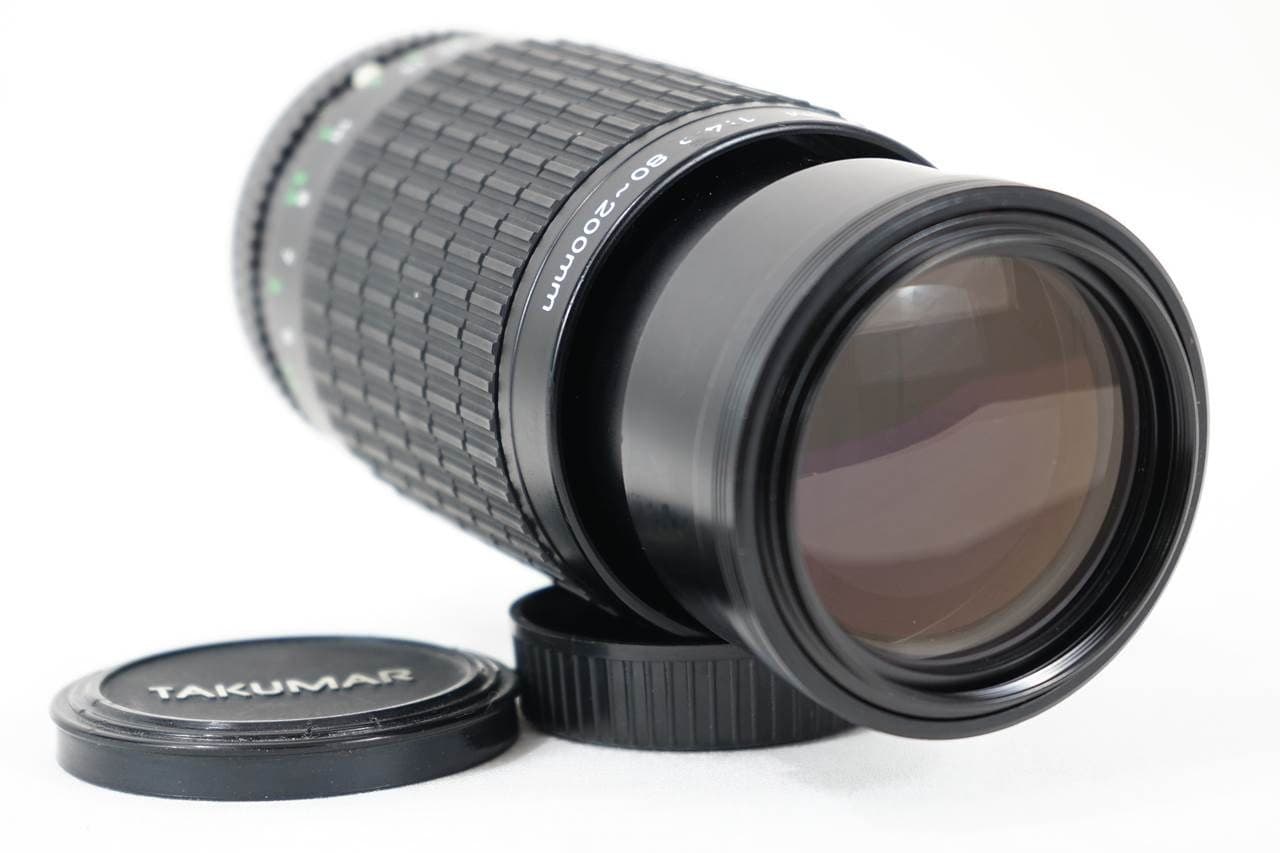
Pentax (Takumar) Pentax Takumar 80-200mm f4

Pentax K · 80mm · f/4.5

ยังไม่มีภาพสำหรับเลนส์นี้

ปีผลิต

1984 – 1987

ผลิตที่

-

สูตรเลนส์

12 elements, 9 groups

อัปเดต

4 ก.ค. 2569

เรื่องราวของเลนส์

The Takumar 80-200mm f/4.5 Bayonet is a non-SMC coated version of the second-generation Pentax-M 80-200mm zoom, produced from 1984 to 1987 for the Pentax K mount. It was also marketed under the CPC Phase 2 branding. Positioned as a rugged, affordable telephoto zoom, it employs a one-touch (push-pull) zoom design and a 12-element, 9-group optical formula. Reviewers describe it as a reliable, well-built workhorse; one long-time owner recounts picking it up in college and using it for newspaper and mission-trip photography, praising its rugged construction and reliable performance. It carries no established nicknames or community jargon, and its cult following, if any, is modest and rooted in its dependable handling and strong bokeh rather than mythologized rendering. The broader Takumar line is celebrated for warm tones, natural contrast, and characterful rendering, though this specific bayonet-mount zoom lacks the SMC multicoating of the more famous M42 Takumars.

สรุป: The Takumar 80-200mm f/4.5 Bayonet is a rugged, reliable telephoto zoom best suited to photographers who value dependable build quality and pleasing bokeh over cutting-edge coatings. As an affordable non-SMC alternative in the Pentax K lineup, it appeals to budget-conscious vintage shooters and those seeking a durable manual-focus telephoto for portraits and general work.

คาแรกเตอร์ของภาพ

โบเก้

โบเก้ที่ได้รับคำชมอย่างสูง (คะแนนจากชุมชน 8.5; ผู้รีวิวคนหนึ่งให้ 10/10) โดยมีม่านรูรับแสง 8 ใบเป็นปัจจัยสำคัญ

ความคม (เปิดสุด)

ได้รับเรตติ้งโดยรวมค่อนข้างดีที่ค่าเฉลี่ยจากชุมชน 8.3 โดยมีผู้รีวิวคนหนึ่งให้คะแนนความคมชัดถึง 9

รีวิวจากผู้ใช้

ข้อดี
  • Rugged, solid construction that holds up to demanding real-world use such as newspaper and mission-trip photography
  • Reliable, dependable performance appreciated by long-term owners
  • Excellent bokeh, earning top marks (up to 10/10) from reviewers
  • Strong handling, with a community handling score of 9.0 and a one-touch push-pull zoom design
  • Perfect focusing scores (10/10 community average) reflecting smooth manual focus operation
ข้อเสีย
  • One reviewer noted it cost too much when purchased new
  • Value scores are more modest (7.5 average), suggesting it is not universally seen as a bargain
  • Lacks SMC multicoating found on more celebrated Takumar lenses
เทคนิคการใช้
  • Use the built-in hood to help mitigate flare, since this version lacks SMC multicoating
  • Leverage its strong bokeh for portraits and telephoto subject isolation
  • Adapt easily to modern mirrorless bodies via the Pentax K mount, using manual focus and aperture control
  • Minimum focus is 120 cm, so plan for telephoto working distance rather than close-ups

แหล่งอ้างอิง (1)

Web-grounded synthesissecondary

The Takumar 80-200mm f/4.5 Bayonet is a non-SMC coated version of the second-generation Pentax-M 80-200mm zoom, produced from 1984 to 1987 for the Pentax K mount. It was also marketed under the CPC Phase 2 branding. Positioned as a rugged, affordable telephoto zoom, it employs a one-touch (push-pull) zoom design and a 12-element, 9-group optical formula. Reviewers describe it as a reliable, well-built workhorse; one long-time owner recounts picking it up in college and using it for newspaper and mission-trip photography, praising its rugged construction and reliable performance. It carries no established nicknames or community jargon, and its cult following, if any, is modest and rooted in its dependable handling and strong bokeh rather than mythologized rendering. The broader Takumar line is celebrated for warm tones, natural contrast, and characterful rendering, though this specific bayonet-mount zoom lacks the SMC multicoating of the more famous M42 Takumars.

อยากได้Pentax (Takumar) Pentax Takumar 80-200mm f4?

ยังไม่มีในสต็อกตอนนี้ — ฝาก LINE หรืออีเมลไว้ เข้าเมื่อไหร่เราแจ้งทันที

LINEอีเมล