ปีผลิต
1949 – 1968
ผลิตที่
East Germany
สูตรเลนส์
Cooke Triplet (3 elements in 3 groups)
อัปเดต
4 ก.ค. 2569
Exakta (also produced in M42 screw mount) · 50mm · f/2.9
ปีผลิต
1949 – 1968
ผลิตที่
East Germany
สูตรเลนส์
Cooke Triplet (3 elements in 3 groups)
อัปเดต
4 ก.ค. 2569
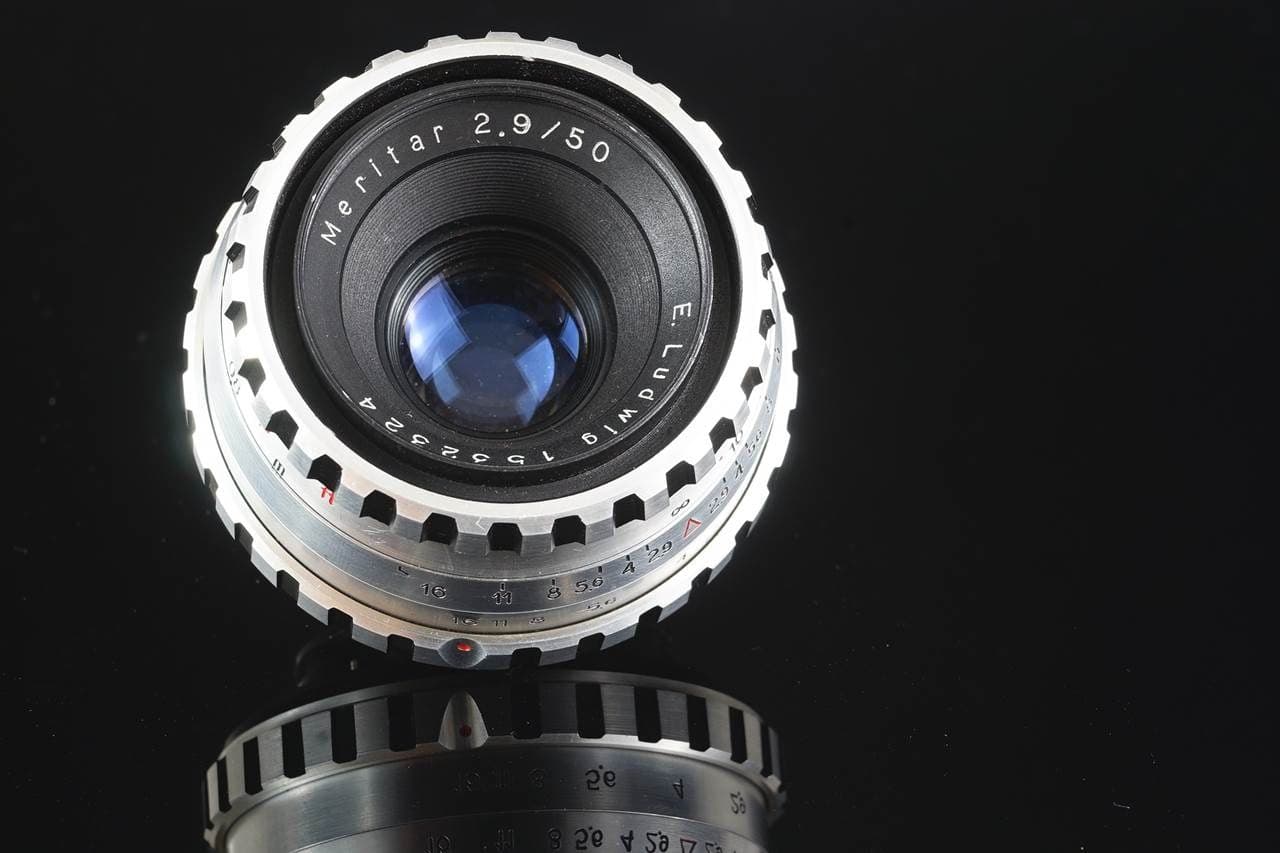
E. Ludwig Meritar 50mm ผลิตในเยอรมนีตะวันออกโดย Ernst Ludwig ระหว่างปี 1949 ถึง 1968 ทำการตลาดเป็นเลนส์ระดับเริ่มต้นราคาย่อมเยา มักแถมมากับบอดี้ Exa/Exakta รูปแบบออปติคัลเป็นสูตร Cooke Triplet (ชิ้นเลนส์ 3 ชิ้นใน 3 กลุ่ม) ซึ่งเป็นการออกแบบจากศตวรรษที่ 19 ย้อนกลับไปสู่ยุคออปติกที่เรียบง่ายแต่ให้ลักษณะการเรนเดอร์ที่โดดเด่น ผู้รีวิวหลายคนสังเกตว่ามันใช้สูตร triplet เดียวกับ Meyer-Optik Trioplan 100mm F2.8 ที่มีชื่อเสียง (และราคาแพงกว่าอย่างมาก) ซึ่งมักถูกยกเป็นแหล่งที่มาของคาแรกเตอร์ของเลนส์ชิ้นนี้ เลนส์ตัวนี้มีผู้คลั่งไคล้ในกลุ่มผู้ใช้เลนส์มือหมุนและผู้ทำหนัง เพราะความไม่สมบูรณ์แบบที่ดูเป็นธรรมชาติเหมือนฟิล์มมากกว่าความเป็นเลิศทางเทคนิค ผู้รีวิวบางคนเปรียบเทียบคาแรกเตอร์กับ Helios 44-2 58mm F2 ที่มีสถานะระดับตำนาน โดยบอกว่าเลนส์ที่ใกล้เคียงกันมักให้ความรู้สึก 'วิเศษ' หมายเหตุ: รีวิวครอบคลุมรุ่น f/2.9; รายละเอียดของตัวแปร f/2.8 ยังไม่ทราบแน่ชัด ไม่มีฉายาที่ได้รับการยืนยันปรากฏในรีวิว บางรุ่นมีเครื่องหมายตัว V สีแดงเพื่อบ่งชี้การเคลือบชั้นเดียว (single coating)
สรุป: E. Ludwig Meritar 50mm เป็นเลนส์ triplet ราคาถูก กะทัดรัด เน้นคาแรกเตอร์ เหมาะกับช่างภาพและผู้ทำหนังที่ให้คุณค่ากับความไม่สมบูรณ์แบบแบบฟิล์มมากกว่าความสมบูรณ์ทางเทคนิค มันไม่ใช่เลนส์ 50mm ที่คุณจะใช้เป็นตัวหลักหรือแม้แต่ตัวสำรองในงานที่ต้องการความคม แต่สำหรับโปรเจกต์สร้างสรรค์ที่เหมาะสมจะให้แฟลร์สีรุ้ง สีฟุ้ง และโบเก้เรียบมีการเวียนเล็กน้อย ในราคาที่จับต้องได้ เหมาะอย่างยิ่งสำหรับผู้ใช้ BMPCC/Super 35 ที่มองหาลุควินเทจ โดยเฉพาะเมื่อใช้งานร่วมกับ Speedbooster/MetaBones
ให้ภาพเนียนและสวย มักถูกอธิบายว่าเมื่อเปิดรูรับแสงกว้างสุดจะให้โบเก้แบบหมุนเล็กน้อย
ให้สีโทนอ่อน ฟุ้งและมีความอิ่มตัวต่ำกว่าเมื่อเทียบกับเลนส์ที่เคลือบหลายชั้นอย่างเข้มข้น — เหมาะอย่างยิ่งสำหรับการคัลเลอร์เกรด/ปรับสีในขั้นตอนหลังการถ่าย
ความคมตรงกลางค่อนข้างดีเมื่อใช้ที่รูรับแสงกว้างสุด ตามผู้ทดสอบคนหนึ่ง แต่โดยรวมภาพค่อนข้างนุ่ม เมื่อหรี่รูรับแสงลงเป็น f/4–f/8 ความคมเพิ่มขึ้นอย่างเห็นได้ชัด แม้ขอบและมุมภาพจะยังคงไม่คม
ความเปรียบต่างลดลงเมื่อถ่ายภาพเข้าสู่ดวงอาทิตย์ และเกิดแฟลร์สีรุ้งที่มีสีสัน ซึ่งมักถูกมองว่าเป็นคุณสมบัติทางศิลป์ที่พึงประสงค์
ความเปรียบต่างต่ำเมื่อเปิดรูรับแสงกว้างสุดที่ f/2.9 แต่จะดีขึ้นอย่างเห็นได้ชัดเมื่อหรี่รูรับแสงลงมาที่ประมาณ f/5.6–f/8
E. Ludwig Meritar 50mm เป็นเลนส์ triplet ราคาถูก กะทัดรัด เน้นคาแรกเตอร์ เหมาะกับช่างภาพและผู้ทำหนังที่ให้คุณค่ากับความไม่สมบูรณ์แบบแบบฟิล์มมากกว่าความสมบูรณ์ทางเทคนิค มันไม่ใช่เลนส์ 50mm ที่คุณจะใช้เป็นตัวหลักหรือแม้แต่ตัวสำรองในงานที่ต้องการความคม แต่สำหรับโปรเจกต์สร้างสรรค์ที่เหมาะสมจะให้แฟลร์สีรุ้ง สีฟุ้ง และโบเก้เรียบมีการเวียนเล็กน้อย ในราคาที่จับต้องได้ เหมาะอย่างยิ่งสำหรับผู้ใช้ BMPCC/Super 35 ที่มองหาลุควินเทจ โดยเฉพาะเมื่อใช้งานร่วมกับ Speedbooster/MetaBones