ปีผลิต
1971 – 1982
ผลิตที่
Japan
สูตรเลนส์
4 elements (V5) or 5 elements (V3/V4), depending on variant.
อัปเดต
4 ก.ค. 2569
M42 · 135mm · f/2.8
ปีผลิต
1971 – 1982
ผลิตที่
Japan
สูตรเลนส์
4 elements (V5) or 5 elements (V3/V4), depending on variant.
อัปเดต
4 ก.ค. 2569
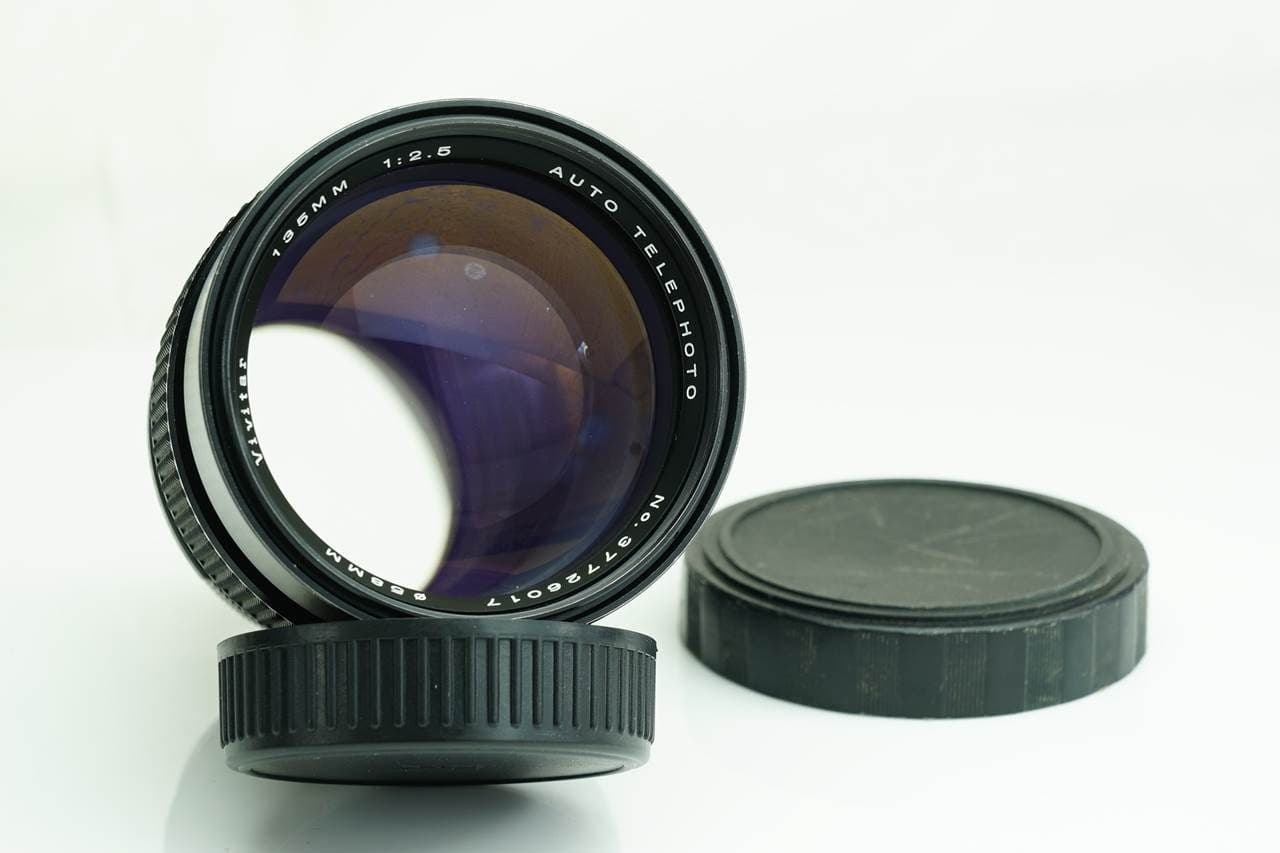
Vivitar 135mm f/2.8 อยู่ในยุคทองของการผลิตเลนส์จากผู้ผลิตบุคคลที่สามของญี่ปุ่น เมื่อโรงงานการผลิตกระจกในญี่ปุ่นผลิตชิ้นกระจกที่สามารถเทียบกับตัวเลือกจากแบรนด์ชื่อดังได้ ภายใต้ชื่อ Vivitar เลนส์เทเลตัวกะทัดรัดเมาท์ M42 ตัวนี้ถูกสร้างมาสำหรับเมาท์สกรู M42 ทั่วไป และเข้ากันได้กับ Praktica, Pentax และระบบอื่น ๆ ในยุคนั้น ผู้ผลิตชิ้นกระจกหลายรายผลิตเลนส์นี้ให้ Vivitar ในช่วงหลายปี ซึ่งเป็นเหตุผลที่ช่างภาพยังคงยืนยันรหัสซีเรียลตอนตามหาโฟกัสออปติกสูตรเฉพาะ เวอร์ชันที่ผลิตโดย Komine ที่กล่าวถึงที่นี่มีทั้งแบบ 4 ชิ้นเลนส์และ 5 ชิ้นเลนส์ที่ดูเหมือนกัน: รุ่น 5 ชิ้นเลนส์ แบบ 'milled metal grip' V3 (ประมาณ 1971–1974), รุ่น 5 ชิ้นเลนส์ แบบ 'rubber grip' V4 (1974–76), และ 4 ชิ้นเลนส์ V5 (1976–82) ยังมีรุ่นแยกหายากแบบ 'Close Focusing' ที่ Komine ผลิตด้วย (1975–81) ซึ่งสังเกตได้จากวงแหวนฟิลเตอร์ 62mm และอัตราขยาย 1:2 ไม่มีฉายาเป็นที่ยอมรับในรีวิวสำหรับเลนส์มาตรฐานขนาด 55mm วัฒนธรรมผู้คลั่งไคล้ของมันมาจากความคม คุณภาพการผลิตของตัวเรือนโลหะทั้งชิ้น และคาแร็กเตอร์วินเทจที่น่าพอใจในราคาที่จับต้องได้ ทำให้เป็นวิธีง่ายและคุ้มค่าในการเพิ่มการควบคุมด้วยมือและการเรนเดอร์วินเทจให้กับกล้องมิเรอร์เลสสมัยใหม่ผ่านอะแดปเตอร์ M42 แบบง่ายๆ
สรุป: Vivitar (Komine) 135mm f/2.8 เป็นเลนส์ระยะเทเลมือหมุนตัวโลหะทั้งชิ้นที่สร้างได้ดีและราคาจับต้องได้ เหมาะกับช่างภาพที่ถ่ายอย่างตั้งใจและช่างภาพพอร์ตเทรตที่ให้ความสำคัญกับคาแร็กเตอร์วินเทจ มันให้ภาพฝัน ๆ และเรืองแสงเมื่อเปิดกว้างสุด และค่อนข้างคมเมื่อหรี่รูรับแสง มีโบเก้ที่เรียบและการบีบอัดภาพที่ช่วยเสริมพอร์ตเทรต — แม้ความคลาดสีและการเรนเดอร์นอกโฟกัสที่ถือว่าดีแต่ไม่ถึงขั้นผู้นำคลาส จะทำให้มันเป็นเลนส์มีคาแร็กเตอร์มากกว่าจะเป็นเครื่องมือที่ให้ผลแบบคลินิก ในราคานี้ เป็นคำแนะนำง่าย ๆ สำหรับใครก็ตามที่ต้องการการเรนเดอร์วินเทจแบบมีสัมผัสบนบอดี้มิเรอร์เลสสมัยใหม่
โบเก้เนียนและกลม โดยเฉพาะกับฉากหลังระยะกลาง รุ่นที่มีกลีบรูรับแสง 8 ใบให้โบเก้สวยงาม แต่ผู้รีวิวคนหนึ่งเห็นว่าโบเก้นั้นยังไม่ใช่ที่สุดสำหรับเลนส์ 135 มม. ที่ f/2.8.
ให้ภาพนุ่มและมีบรรยากาศแบบฝันเมื่อถ่ายที่ f/2.8 (เปิดกว้าง) คุณภาพภาพดีขึ้นอย่างมากเมื่อปิดรูรับแสงลง โดยเฉพาะบริเวณกลางภาพ
คอนทราสต์ค่อนข้างต่ำและนุ่มเมื่อเปิดรูรับแสงกว้างสุด ดีขึ้นอย่างเห็นได้ชัดตั้งแต่ f/4 ขึ้นไป
Vivitar (Komine) 135mm f/2.8 เป็นเลนส์ระยะเทเลมือหมุนตัวโลหะทั้งชิ้นที่สร้างได้ดีและราคาจับต้องได้ เหมาะกับช่างภาพที่ถ่ายอย่างตั้งใจและช่างภาพพอร์ตเทรตที่ให้ความสำคัญกับคาแร็กเตอร์วินเทจ มันให้ภาพฝัน ๆ และเรืองแสงเมื่อเปิดกว้างสุด และค่อนข้างคมเมื่อหรี่รูรับแสง มีโบเก้ที่เรียบและการบีบอัดภาพที่ช่วยเสริมพอร์ตเทรต — แม้ความคลาดสีและการเรนเดอร์นอกโฟกัสที่ถือว่าดีแต่ไม่ถึงขั้นผู้นำคลาส จะทำให้มันเป็นเลนส์มีคาแร็กเตอร์มากกว่าจะเป็นเครื่องมือที่ให้ผลแบบคลินิก ในราคานี้ เป็นคำแนะนำง่าย ๆ สำหรับใครก็ตามที่ต้องการการเรนเดอร์วินเทจแบบมีสัมผัสบนบอดี้มิเรอร์เลสสมัยใหม่