ปีผลิต
-
ผลิตที่
-
สูตรเลนส์
-
อัปเดต
4 ก.ค. 2569
35mm · f/3.5
ปีผลิต
-
ผลิตที่
-
สูตรเลนส์
-
อัปเดต
4 ก.ค. 2569
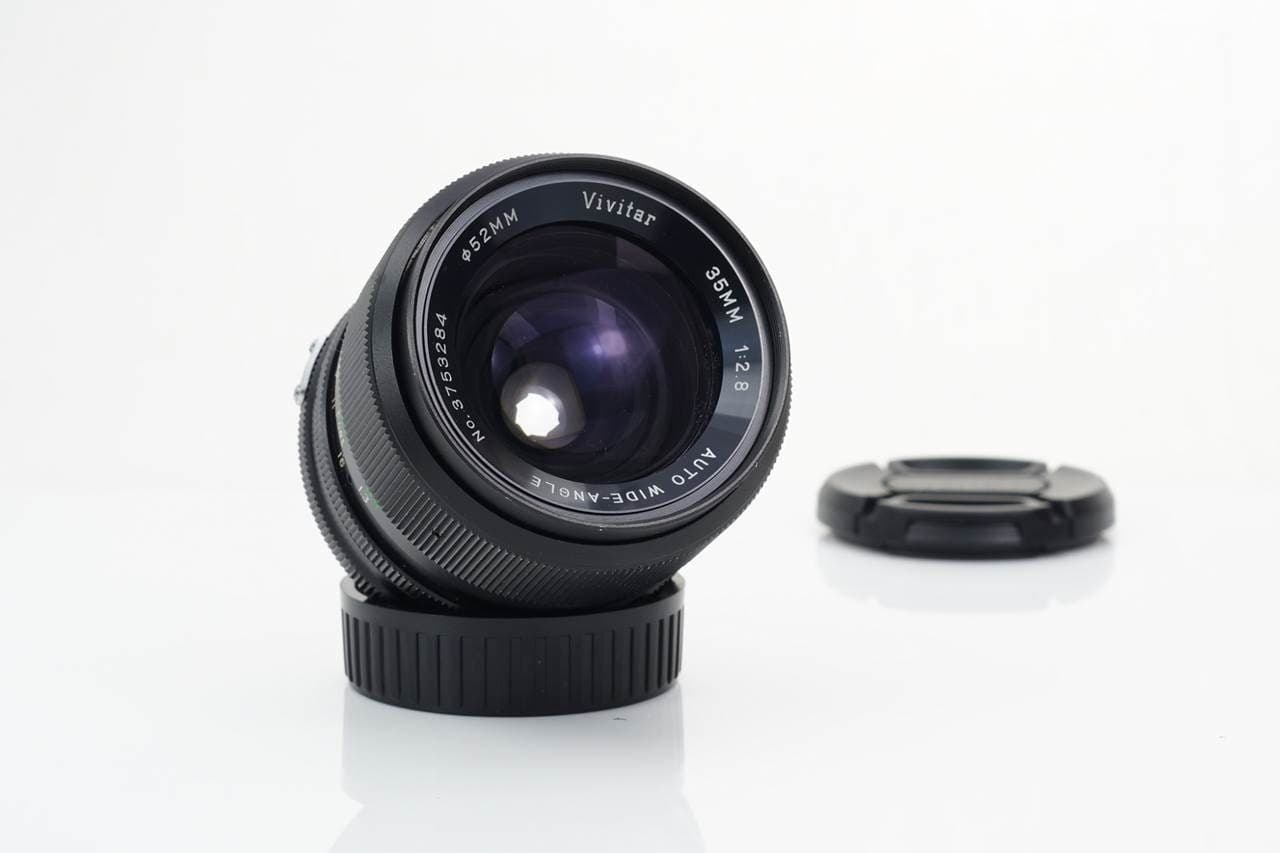
เลนส์เฉพาะที่ระบุที่นี่ 'Vivitar 35mm f3.5' ไม่มีการบันทึกตรงในรีวิวที่มีอยู่ ซึ่งรีวิวเหล่านั้นครอบคลุมเลนส์ Vivitar ที่เกี่ยวข้องแต่ไม่ตรงกัน Vivitar เป็นบริษัทที่นำยี่ห้อมาใช้มากกว่าจะเป็นผู้ผลิตเอง โดยสั่งผลิตจากผู้ผลิตญี่ปุ่นหลายราย เช่น Komine, Tokina, Cosina และ Kiron ตามที่รีวิวของ Vivitar 35mm f2.8 ที่ผลิตโดย Komine ระบุ ระยะโฟกัสเดียวภายใต้แบรนด์ Vivitar อาจมาจากผู้ผลิตหลายรายที่มีคำนำหน้ารหัสซีเรียลและสูตรออพติคต่างกัน (รุ่น Tokina T4/TX/เมาท์ตายตัว, รุ่นที่ Cosina ผลิตรหัสซีเรียล 9xxxx, รุ่นที่ Kiron ผลิตรหัสซีเรียล 22xxxx และรุ่นหัวโครมที่หายากจากทศวรรษ 1960) สิ่งนี้ทำให้การระบุและยืนยัน Vivitar 35mm ใดๆ ทำได้ยากหากไม่มีรหัสซีเรียล ไม่มีชื่อเล่นหรือคำแสลงในชุมชนที่ยืนยันสำหรับ 'Vivitar 35mm f3.5' ในรีวิวตามที่มีอยู่ ความนิยมแบบคลาสสิกของกระจก Vivitar ยุคเก่า ตามรีวิว มาจากความคุ้มค่าเป็นหลักและโทนภาพแบบ 'cinematic' ที่ให้ลุคแบบยุค 60s/70s ซึ่งยากจะเลียนแบบด้วยเลนส์สมัยใหม่
สรุป: ไม่มีหลักฐานจากรีวิวที่เพียงพอสำหรับ 'Vivitar 35mm f3.5' โดยตรง ผู้ซื้อควรยืนยันรุ่นและผู้ผลิตที่แน่นอนจากรหัสซีเรียลก่อนโดยรวม เลนส์ Vivitar วินเทจช่วงมุมกว้าง/มาตรฐานเป็นที่นิยมเพราะราคาเข้าถึงได้และมีคาแรกเตอร์แบบภาพยนตร์ยุค 60s/70s โดยควรหรี่รูรับแสงเพื่อความคมชัด และเปิดกว้างสุดเมื่อต้องการคาแรกเตอร์วินเทจ
ไม่ทราบสำหรับรุ่นที่เป็น f/3.5; เลนส์ซูม Vivitar 35-105 f/3.5 ที่เกี่ยวข้องแสดงอาการความคลาดสีและการกระจายของสีเมื่อเปิดรูรับแสงกว้างสุด คล้ายผลจากการใช้ฟิลเตอร์กระจาย (diffusion filter) อาการจะลดลงและแทบหายไปเมื่อหรี่เป็น f/5.6
สำหรับ f/3.5 ยังไม่แน่ชัด; เลนส์ Vivitar 35-105 f/3.5 ที่เกี่ยวข้องจะค่อนข้างนุ่มเมื่อใช้ที่รูรับแสงกว้างสุด แต่ให้ความคมยอดเยี่ยมตั้งแต่ f/5.6 ขึ้นไป
ไม่มีหลักฐานจากรีวิวที่เพียงพอสำหรับ 'Vivitar 35mm f3.5' โดยตรง ผู้ซื้อควรยืนยันรุ่นและผู้ผลิตที่แน่นอนจากรหัสซีเรียลก่อนโดยรวม เลนส์ Vivitar วินเทจช่วงมุมกว้าง/มาตรฐานเป็นที่นิยมเพราะราคาเข้าถึงได้และมีคาแรกเตอร์แบบภาพยนตร์ยุค 60s/70s โดยควรหรี่รูรับแสงเพื่อความคมชัด และเปิดกว้างสุดเมื่อต้องการคาแรกเตอร์วินเทจ