ปีผลิต
1962 – 1974
ผลิตที่
Japan
สูตรเลนส์
7 elements in 6 groups, refined from the original 7-elements-in-5-groups design.
อัปเดต
4 ก.ค. 2569
Nikon Non-AI · 35mm · f/2.8
ปีผลิต
1962 – 1974
ผลิตที่
Japan
สูตรเลนส์
7 elements in 6 groups, refined from the original 7-elements-in-5-groups design.
อัปเดต
4 ก.ค. 2569
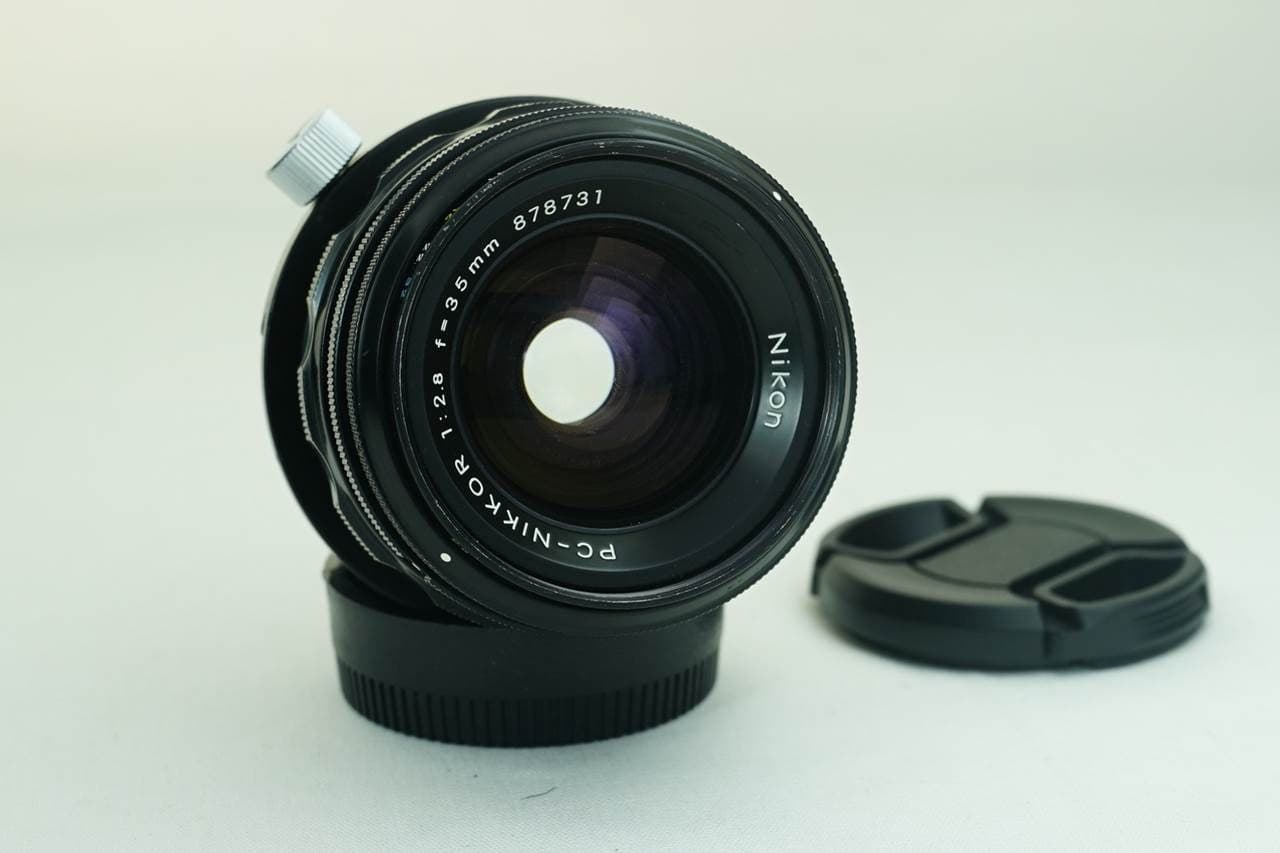
Nikon Nikkor 35mm f/2.8 เป็นเลนส์มุมกว้างเลนส์มือหมุนขนาดกะทัดรัดที่มีต้นกำเนิดย้อนกลับไปถึงปี 1959 ตามข้อมูลจาก phillipreeve.net มีสี่เวอร์ชันที่แตกต่างกันทางกระจกเลนส์ ทางแรกคือ Nikkor-S 3.5cm f/2.8 Auto ผลิตระหว่าง 1959 ถึง 1962 โดยมีโครงสร้าง 7 ชิ้นเลนส์/5 กลุ่ม; Richard Haw อ้างถึงรุ่นต้นแบบนี้ว่าเป็นเวอร์ชัน 'Tick-Mark' ตามที่ Richard Haw อธิบาย รุ่นต้นแบบนี้ 'ผลิตแบบเร่งรีบเพื่อให้กล้อง Nikon F มีเลนส์มุมกว้างในชุด' แต่การออกแบบยากต่อการผลิตและมีข้อบกพร่องใหญ่ ๆ เวอร์ชันที่สอง Nikkor-S 35mm f/2.8 (ผลิต 1962-1974) เปิดตัวด้วยสูตรกระจกเลนส์ปรับปรุง 7 ชิ้นเลนส์/6 กลุ่ม ที่ในคำของ Richard Haw 'ช่วยยกระดับประสิทธิภาพอย่างมาก' และ 'แก้ไขข้อบกพร่องหลักของการออกแบบเก่า' ในขณะที่ง่ายต่อการผลิตมากขึ้น เวอร์ชันที่สองนี้คือเลนส์ NON-AI ที่กล่าวถึงที่นี่ — แยกได้จากรุ่นแรกโดยการสลัก 'made in Japan' บนวงแหวนโฟกัสแบบ hill-valley และระบุระยะโฟกัสเป็น mm แทน cm รุ่นนี้ช่วยให้ Nikon มีเวลาจนกว่า New-Nikkor 35mm f/2.8 ที่ดีกว่าจะมาถึง Phillip Reeve เรียกเวอร์ชันหลังว่า 'ปัจจุบันเป็นหนึ่งในเลนส์โปรดของผม' แม้จะมีจุดอ่อนบางอย่างก็ตาม เลนส์นี้มีผู้ติดตามกลุ่มเล็กแต่ภักดีในหมู่ผู้ใช้อะแดปเตอร์สู่กล้องมิร์เรอร์เลสเนื่องจากขนาดเล็ก ตัวเรือนโลหะทั้งชิ้น และลักษณะการให้ภาพแบบ Nikkor คลาสสิก สำหรับเวอร์ชัน NON-AI เฉพาะนี้ยังไม่มีชื่อเล่นที่เป็นที่ยอมรับนอกเหนือจากคำว่า 'Tick-Mark' ที่นักสะสมมักใช้กับรุ่น 3.5cm ดั้งเดิม
สรุป: Nikkor-S 35mm f/2.8 NON-AI (1962-1974) เป็นเลนส์มุมกว้างคลาสสิกขนาดกะทัดรัดที่สร้างด้วยโลหะทั้งชิ้น เหมาะสำหรับผู้ที่ชื่นชอบวิศวกรรม Nikkor ยุคเก่าและต้องการ 35mm ที่ทนทานและพกพาสะดวก สูตรกระจกเลนส์ 7 ชิ้นเลนส์/6 กลุ่มที่ปรับปรุงแล้วเป็นการพัฒนาที่แท้จริงเมื่อเทียบกับรุ่น Tick-Mark ดั้งเดิม และแม้จะมีลักษณะเฉพาะตัวและข้อบกพร่องเล็กน้อยก็เป็นที่นิยม อย่างไรก็ตาม ลักษณะการให้ภาพเชิงละเอียดสำหรับเวอร์ชันนี้ไม่ได้ถูกบันทึกไว้อย่างชัดเจนในแหล่งที่มีอยู่ ดังนั้นผู้ซื้อที่ต้องการโบเก้หรือซิกเนเจอร์สีเฉพาะเจาะจงควรมีความคาดหวังที่พอเหมาะ แต่ผู้ที่ต้องการ 35mm ยุคเก่าที่ทนทานและใส่ช่องใส่กระเป๋าจะพบว่าคุ้มค่า
สูตรออปติกของรุ่นที่สองถูกอธิบายว่า "ดีกว่าในทุกด้านอย่างมาก" เมื่อเทียบกับการออกแบบเดิมแบบ 7/5 (7 ชิ้น 5 กลุ่ม) แต่ไม่ได้ให้รายละเอียดความคมชัดแบบเฟรมต่อเฟรม
Nikkor-S 35mm f/2.8 NON-AI (1962-1974) เป็นเลนส์มุมกว้างคลาสสิกขนาดกะทัดรัดที่สร้างด้วยโลหะทั้งชิ้น เหมาะสำหรับผู้ที่ชื่นชอบวิศวกรรม Nikkor ยุคเก่าและต้องการ 35mm ที่ทนทานและพกพาสะดวก สูตรกระจกเลนส์ 7 ชิ้นเลนส์/6 กลุ่มที่ปรับปรุงแล้วเป็นการพัฒนาที่แท้จริงเมื่อเทียบกับรุ่น Tick-Mark ดั้งเดิม และแม้จะมีลักษณะเฉพาะตัวและข้อบกพร่องเล็กน้อยก็เป็นที่นิยม อย่างไรก็ตาม ลักษณะการให้ภาพเชิงละเอียดสำหรับเวอร์ชันนี้ไม่ได้ถูกบันทึกไว้อย่างชัดเจนในแหล่งที่มีอยู่ ดังนั้นผู้ซื้อที่ต้องการโบเก้หรือซิกเนเจอร์สีเฉพาะเจาะจงควรมีความคาดหวังที่พอเหมาะ แต่ผู้ที่ต้องการ 35mm ยุคเก่าที่ทนทานและใส่ช่องใส่กระเป๋าจะพบว่าคุ้มค่า