ปีผลิต
1959 – 1989
ผลิตที่
Japan
สูตรเลนส์
6 elements in 6 groups (AI-S per Analog.Cafe); base2photo lists AI-S as 8 elements in 8 groups.
อัปเดต
4 ก.ค. 2569
Nikon AI · 28mm · f/3.5
ปีผลิต
1959 – 1989
ผลิตที่
Japan
สูตรเลนส์
6 elements in 6 groups (AI-S per Analog.Cafe); base2photo lists AI-S as 8 elements in 8 groups.
อัปเดต
4 ก.ค. 2569
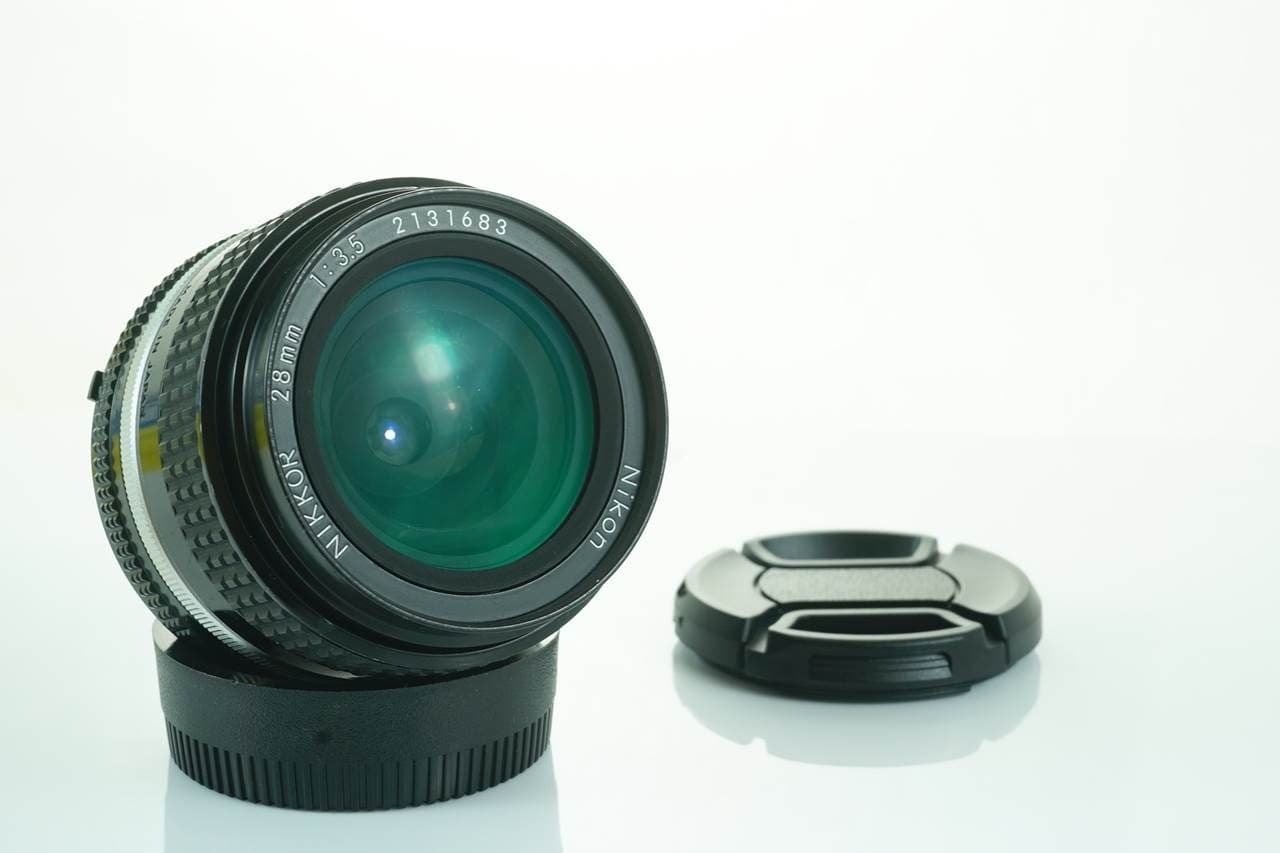
Nikon 28mm f/3.5 ติดตามสายเลือดโดยตรงมาจากเลนส์ 28mm SLR ตัวแรกที่ Nikon ผลิต: Nikkor-H Auto 2.8cm f/3.5 พัฒนาโดย Zenji Wakimoto และเปิดตัวในปี 1959 พร้อมกับกล้องระดับโปรรุ่นบุกเบิก Nikon F ขณะนั้นตลาดกล้องถูกครอบงำโดยเรนจ์ไฟน์เดอร์ ซึ่งไม่มีมิร์เรอร์สะท้อน จึงทำให้ชิ้นเลนส์ด้านหลังสามารถนั่งชิดระนาบฟิล์มได้ ใบกล่องมิร์เรอร์ของ Nikon F ในระบบ SLR รวมกับระยะแฟลนจ์ 46mm ของเมาท์ F ทำให้การออกแบบมุมกว้างเป็นเรื่องท้าทายมากขึ้น Wakimoto ปรับหลักการรีโทรโฟกัสที่ Angenieux จากฝรั่งเศสบุกเบิกมาเพื่อแก้ปัญหานี้ และ Nikkor-H 2.8cm f/3.5 ก็ถือกำเนิดขึ้น ตามที่แหล่งข้อมูลระบุ เลนส์แบบรีโทรโฟกัสไม่เพียงแต่เพิ่มช่องว่างให้พ้นระยะแฟลนจ์ แต่ยังลดขอบดำเพราะชุดกระจกอยู่ห่างจากระนาบโฟกัสมากขึ้น การออกแบบนี้ผ่านการปรับปรุงหลายครั้ง: เวอร์ชัน 'K' แบบเคลือบหลายชั้น (New-Nikkor) เปิดตัวในกุมภาพันธ์ 1975 โดยเปลี่ยนรูปลักษณ์ภายนอกแต่ยังคงชุดกระจกหกชิ้นเดิม และตามรีวิวหนึ่งกล่าวว่าใช้ใบม่านรูรับแสง 7 ใบ หรี่รูรับแสงถึง f/22 (เป็นการอัปเกรดจากรุ่นแรกที่มีใบม่าน 5 ใบ) ในปี 1977 เวอร์ชัน AI แนะนำการปรับปรุงทางออปติคส์โดยมีชิ้นเลนส์ด้านหน้าขนาดเล็กลง ชิ้นเลนส์ด้านหลังใหญ่ขึ้น และกระจกหนาขึ้นทั่วทั้งชุดเพื่อปรับปรุงความสว่างรอบนอก เวอร์ชัน AI-S (ผลิต 1977-1981/จำหน่ายประมาณ 1981-1989 ตามแหล่งหนึ่ง) ใช้ชุดออปติคส์ที่ปรับปรุงแล้วเช่นเดียวกัน น่าสังเกตว่ารีวิวของ AI-S ระบุว่า f/3.5 ตัวนี้ไม่มีระบบ CRC (close-range correction) ที่พบในรุ่นที่เร็วกว่าอย่าง 28mm f/2.8 และ f/2.0 AI-S — ถึงกระนั้นรีวิวจาก Analog.Cafe กลับบรรยายถึงบรรพบุรุษที่ใช้ชิ้นเลนส์ลอย (floating-element) ของระบบ CRC ดังนั้นแหล่งข้อมูลจึงขัดแย้งในจุดนี้ (ไม่เป็นที่รู้/ขัดแย้ง) เลนส์นี้มีผู้ที่ชื่นชอบกลุ่มเล็กแต่จงรักภักดีในหมู่ผู้ใช้ฟิล์ม: ช่างภาพคนหนึ่งเรียก Nikkor-H 28mm f/3.5 ว่าเป็น 'เลนส์โปรดตลอดกาล' ของเขาที่ 'ดูเหมือนสมบูรณ์แบบ' โดย 'ไม่ต้องการอะไรเพิ่มเติมทั้งด้านคุณภาพภาพ คุณภาพการผลิต และการจับถือ' ไม่มีชื่อเล่นที่เป็นที่ยอมรับโดยทั่วไปสำหรับเลนส์ตัวนี้ในรีวิวต่างๆ.
สรุป: Nikon 28mm f/3.5 เป็นมุมกว้างขนาดกะทัดรัด ทำจากโลหะทั้งชิ้น คมและคุ้มค่ากับความรูรับแสงสูงสุดที่ไม่มากนัก เหมาะที่สุดสำหรับช่างภาพสารคดีและสตรีทที่ให้ความสำคัญกับการเรนเดอร์ 28mm ที่น่าเชื่อถือและตรงไปตรงมา และสำหรับช่างภาพอินฟราเรดที่จะชื่นชอบการทำงานที่สะอาดปราศจากจุดร้อน ข้อบกพร่องของมัน — ความคลาดสีปานกลาง ความบิดเบี้ยวแบบบาร์เรลเล็กน้อย บ้างมีโคมา และโบเก้ระดับ 'พอใช้' — เป็นลักษณะทั่วไปของยุคนั้นและส่วนใหญ่สามารถแก้ไขได้ เลือกเวอร์ชันแบบเคลือบหลายชั้น K, AI หรือ AI-S เพื่อความคอนทราสต์และความสว่างรอบนอกที่ดีขึ้น; AI-S ให้ความคมชัดดีที่สุดในกลุ่มนี้ ไม่ใช่เลนส์ที่เน้นโชว์โบเก้ แต่เป็นม้าฝีมือที่เชื่อถือได้และเป็นที่รักสำหรับผู้ที่หลงใหลระยะ 28mm
ได้รับการจัดอันดับว่า "พอใช้" — ชัดเจนว่าไม่เป็นโบเก้แบบหมุนวน; เมื่อโฟกัสใกล้ที่รูรับแสงกว้างสุดจะได้บอลโบเก้ขนาดใหญ่ที่ไม่หมุนวน และมีโคมาเล็กน้อย
เป็นเลนส์ที่ค่อนข้างคม: รุ่น AI‑S ให้ความคมที่สุดโดยรวม ขณะที่รุ่นก่อน AI มีจุดที่ให้ความคมสูงสุดที่ f/8
เหมาะอย่างยิ่งสำหรับการถ่ายภาพอินฟราเรด — ไม่พบจุดร้อน (hot spot) และให้คอนทราสต์ดี ส่วนพฤติกรรมการเกิดแฟลร์กับแสงที่มองเห็นยังไม่ทราบข้อมูล
ให้คอนทราสต์ดี โดยเฉพาะในรุ่น K/AI ที่มีการเคลือบหลายชั้น ขณะที่ Nikkor‑H รุ่นเก่าที่เคลือบชั้นเดียวจะมีคอนทราสต์ต่ำกว่า
การออกแบบเรโทรโฟกัสช่วยลด vignetting และการปรับปรุงเป็นรุ่น AI/AI‑S ทำให้ความสว่างบริเวณขอบภาพดีขึ้น โดยแทบไม่มีข้อร้องเรียนที่สำคัญ
Nikon 28mm f/3.5 เป็นมุมกว้างขนาดกะทัดรัด ทำจากโลหะทั้งชิ้น คมและคุ้มค่ากับความรูรับแสงสูงสุดที่ไม่มากนัก เหมาะที่สุดสำหรับช่างภาพสารคดีและสตรีทที่ให้ความสำคัญกับการเรนเดอร์ 28mm ที่น่าเชื่อถือและตรงไปตรงมา และสำหรับช่างภาพอินฟราเรดที่จะชื่นชอบการทำงานที่สะอาดปราศจากจุดร้อน ข้อบกพร่องของมัน — ความคลาดสีปานกลาง ความบิดเบี้ยวแบบบาร์เรลเล็กน้อย บ้างมีโคมา และโบเก้ระดับ 'พอใช้' — เป็นลักษณะทั่วไปของยุคนั้นและส่วนใหญ่สามารถแก้ไขได้ เลือกเวอร์ชันแบบเคลือบหลายชั้น K, AI หรือ AI-S เพื่อความคอนทราสต์และความสว่างรอบนอกที่ดีขึ้น; AI-S ให้ความคมชัดดีที่สุดในกลุ่มนี้ ไม่ใช่เลนส์ที่เน้นโชว์โบเก้ แต่เป็นม้าฝีมือที่เชื่อถือได้และเป็นที่รักสำหรับผู้ที่หลงใหลระยะ 28mm