ปีผลิต
1954
ผลิตที่
USSR
สูตรเลนส์
Based on the Carl Zeiss Jena Flektogon 35mm f/2.8 optical formula.
อัปเดต
4 ก.ค. 2569
M42 (also produced in M39 Leica screw mount) · 37mm · f/2.8
ปีผลิต
1954
ผลิตที่
USSR
สูตรเลนส์
Based on the Carl Zeiss Jena Flektogon 35mm f/2.8 optical formula.
อัปเดต
4 ก.ค. 2569
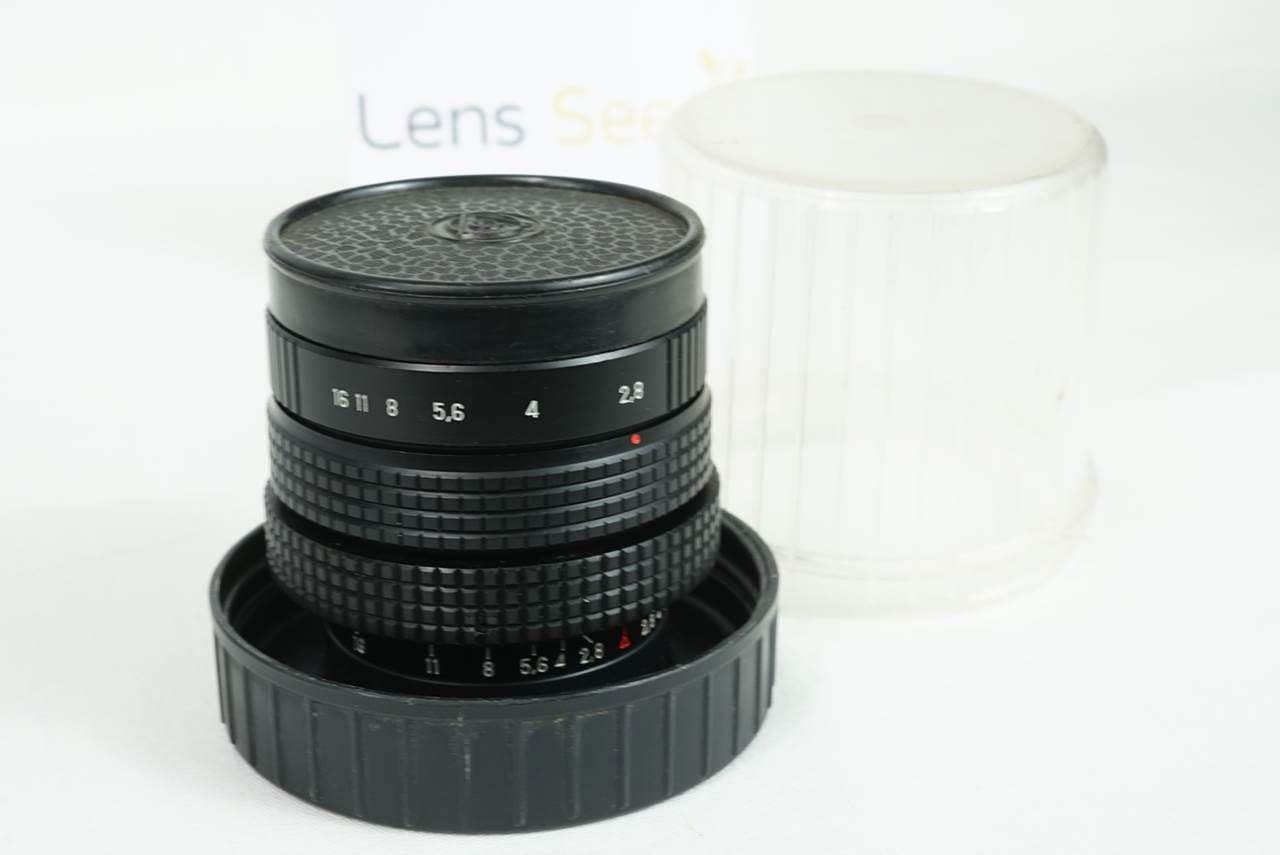
The Mir-1 37mm f/2.8 เป็นเลนส์มุมกว้าง-ปกติจากสหภาพโซเวียต เริ่มผลิตในปี 1954 ในสหภาพโซเวียต ซึ่งเป็นโรงงานแห่งเดียวกับที่ผลิต Helios 44-2 แทนที่จะเป็นการลอกแบบตรง ๆ สูตรกระจกเลนส์ของมันอิงจาก Carl Zeiss Jena Flektogon 35mm f/2.8 ทำให้ได้ลักษณะการถ่ายทอดภาพแบบ Zeiss ในต้นทุนที่ต่ำกว่า ในปี 1958 Mir-1 ได้รับรางวัล Grand-Prix ที่งาน Brussels World Fair และความภูมิใจของโซเวียตก็ลึกซึ้งถึงขนาดที่เกือบทุกตัวหลังปี 1958 สลักคำว่า "Grand Prix Brussels 1958" ไว้บนตัวกระบอกเลนส์ — นี่ไม่ใช่สัญลักษณ์ของรุ่นหายากหรือรุ่นพิเศษ แต่เป็นการสลักเพื่อรำลึกที่ปรากฏบนสำเนาส่วนใหญ่ เลนส์นี้ผลิตทั้งในเมาท์ M39 (Leica screw) และเมาท์ M42 ที่พบได้บ่อยกว่า โดยมีรุ่นเมาท์ Leica Screw รุ่นแรกที่ทำสำหรับ SLR รัสเซียรุ่นแรก ๆ ยังไม่มีชื่อเล่นที่เป็นที่ยอมรับในรีวิวต่าง ๆ มันมีฐานแฟนคลับในหมู่ผู้ถ่ายวิดีโอและช่างภาพพอร์ตเทรตเนื่องจากกลไกการทำงานที่เป็นมิตรกับงานภาพยนตร์ ลักษณะการถ่ายทอดภาพที่มีเอกลักษณ์และราคาที่จับต้องได้ มักมีราคาต่ำกว่า $50
สรุป: Mir-1 37mm f/2.8 เป็นอัญมณีโซเวียตที่คุ้มค่า สร้างจากสูตรที่ได้แนวคิดจาก Zeiss Flektogon เหมาะสำหรับผู้ทำวิดีโอและช่างภาพพอร์ตเทรตที่ต้องการลักษณะของเลนส์มากกว่าความคมแบบคลินิก การปรับรูรับแสงแบบไม่มีสเต็ป (ไม่มีสเต็ปรูรับแสง) ระยะหมุนโฟกัส 270 องศา และใบม่านรูรับแสง 10 ใบทำให้มันเป็นมิตรกับงานภาพยนตร์เป็นพิเศษ ขณะเดียวกันโบเก้วนที่แปลกและมีเอกลักษณ์ ความนุ่มแบบฝัน และแฟลร์ที่โดดเด่นให้ลายเซ็นเชิงศิลป์ที่ชัดเจน ด้วยราคาต่ำกว่า $50 มันเป็นตัวเลือกที่ยากจะหาใครเทียบสำหรับการเข้าถึงแก้ววินเทจมีเอกลักษณ์ — แต่ไม่ควรคาดหวังความคมในระดับสมัยใหม่เมื่อเปิดกว้างสุด
โบเก้แบบวนเป็นเอกลักษณ์และมีเสน่ห์เฉพาะตัว ยังคงความกลมแม้เมื่อหรี่รูรับแสงลง ด้วยใบม่านรูรับแสง 10 ใบ
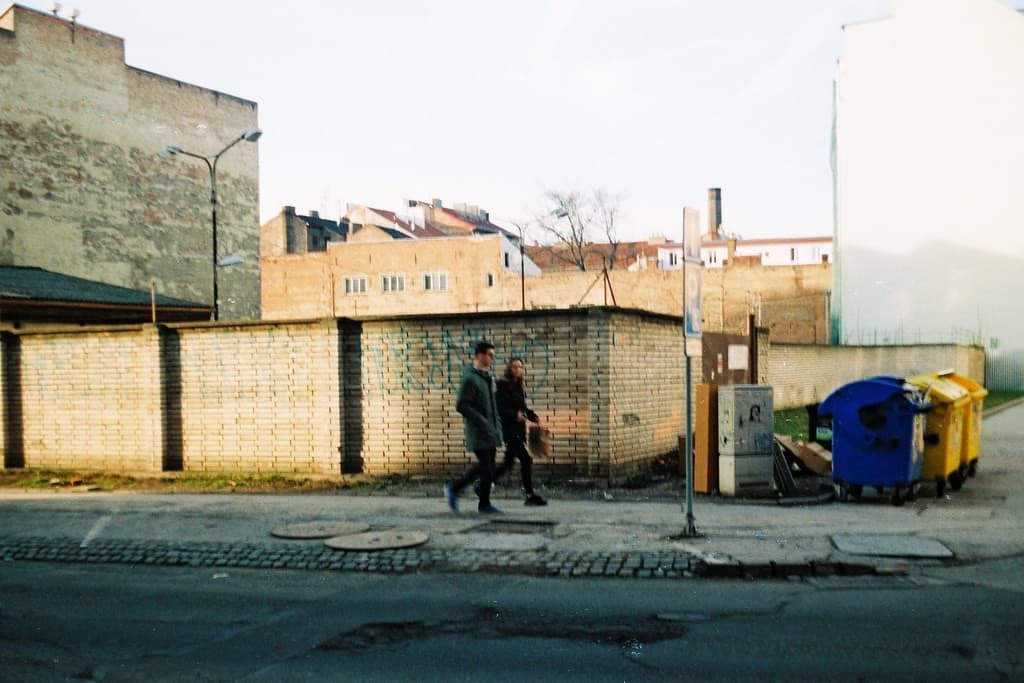
ไม่คมจัดตามมาตรฐานสมัยใหม่ แต่ให้ความนุ่มนวลที่น่าพอใจ โดยให้ผลลัพธ์ดีที่สุดเมื่อปิดรูรับแสงลงประมาณหนึ่งสต็อปหรือมากกว่า
จะให้แฟลร์ที่ชัดเจนและโดดเด่นในเชิงศิลปะเมื่อหันเข้าไปยังแหล่งกำเนิดแสง
Mir-1 37mm f/2.8 เป็นอัญมณีโซเวียตที่คุ้มค่า สร้างจากสูตรที่ได้แนวคิดจาก Zeiss Flektogon เหมาะสำหรับผู้ทำวิดีโอและช่างภาพพอร์ตเทรตที่ต้องการลักษณะของเลนส์มากกว่าความคมแบบคลินิก การปรับรูรับแสงแบบไม่มีสเต็ป (ไม่มีสเต็ปรูรับแสง) ระยะหมุนโฟกัส 270 องศา และใบม่านรูรับแสง 10 ใบทำให้มันเป็นมิตรกับงานภาพยนตร์เป็นพิเศษ ขณะเดียวกันโบเก้วนที่แปลกและมีเอกลักษณ์ ความนุ่มแบบฝัน และแฟลร์ที่โดดเด่นให้ลายเซ็นเชิงศิลป์ที่ชัดเจน ด้วยราคาต่ำกว่า $50 มันเป็นตัวเลือกที่ยากจะหาใครเทียบสำหรับการเข้าถึงแก้ววินเทจมีเอกลักษณ์ — แต่ไม่ควรคาดหวังความคมในระดับสมัยใหม่เมื่อเปิดกว้างสุด