ปีผลิต
1962 – 1979
ผลิตที่
East Germany
สูตรเลนส์
Anastigmatic triplet (Cooke triplet type), 3 elements in 3 groups.
อัปเดต
4 ก.ค. 2569
Exakta (also available in M42/Praktica/Pentacon mounts) · 50mm · f/2.8
ปีผลิต
1962 – 1979
ผลิตที่
East Germany
สูตรเลนส์
Anastigmatic triplet (Cooke triplet type), 3 elements in 3 groups.
อัปเดต
4 ก.ค. 2569
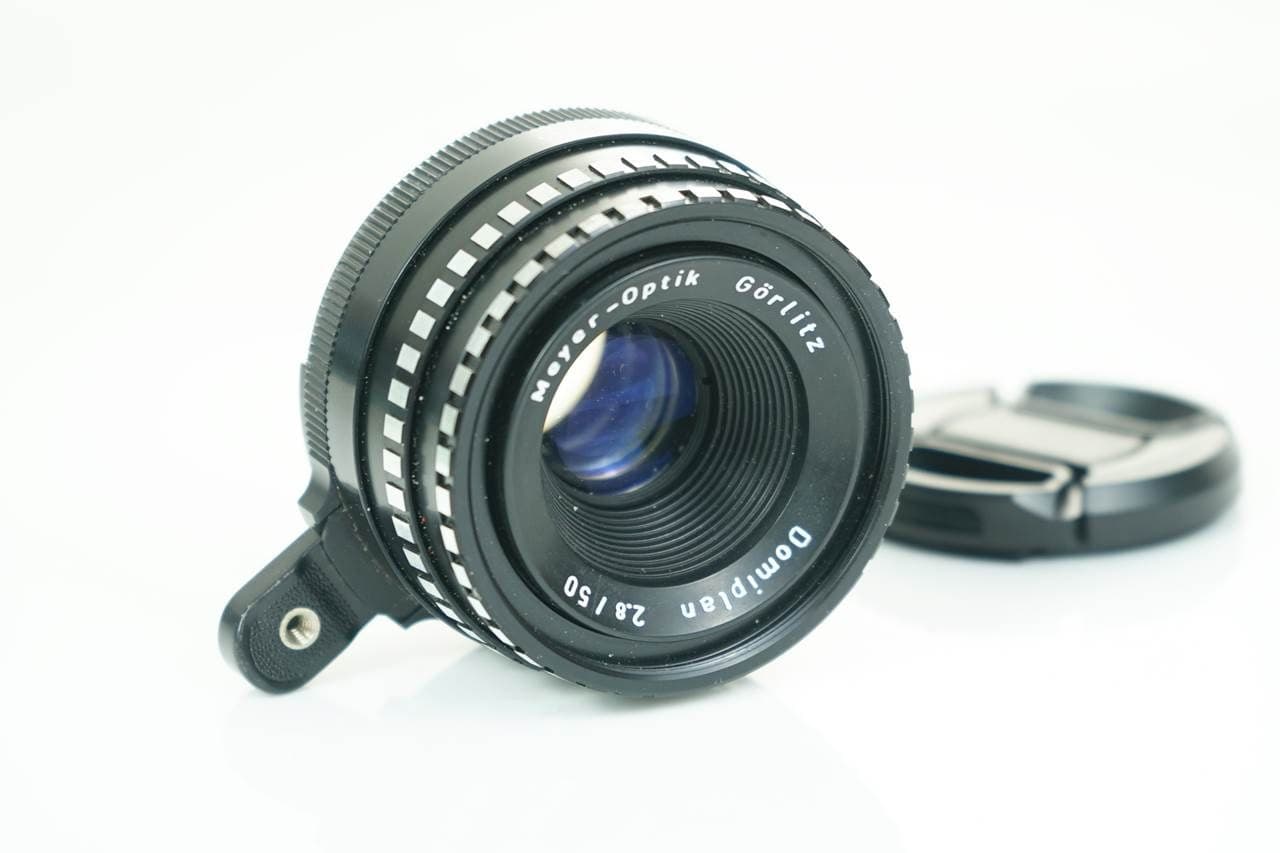
Meyer-Optik Görlitz Domiplan 50mm f/2.8 ถูกพัฒนาในเยอรมนีตะวันออกในฐานะเลนส์มาตรฐานราคาถูกโดยตั้งใจ ตามโบรชัวร์ของ Meyer-Optik เองในปี 1960 ออกแบบมาเพื่อรวม 'ข้อดีของเมาท์เลนส์สมัยใหม่และไดอะแฟรมความดันอัตโนมัติเต็มรูปแบบเข้ากับโครงสร้างเลนส์สามชิ้นที่ประหยัดอย่างยิ่ง' — ทริปเล็ตแบบคลาสสิกที่แก้ความคลาดเคลื่อนของเลนส์ตามแบบ 'proven triplet type' มันทำหน้าที่เป็นเลนส์คิตมาตรฐานบนกล้อง EXA II และยังถูกจับรวมกับตัวกล้อง EXA I และ Praktica หลายรุ่น ผลิตประมาณปี 1962 ถึง 1979 เลนส์นี้เป็นที่รู้จักในชุมชนวินเทจในชื่อเสียงเรียงนาม 'Soap Bubble' โบเก้ คำวิจารณ์ใช้คำนี้เพื่ออธิบายไฮไลต์นอกระยะโฟกัสที่กลมและมีขอบชัด แม้จะถูกมองว่าเป็นของถูกและเรียบง่าย แต่ก็มีฐานแฟนคลับอย่างแท้จริง: ราคาถูกมาก (เฉลี่ยราว $20), สนุก และมีคาแรกเตอร์ ข้อบกพร่องทางแสงของมันกลับกลายเป็นฟีเจอร์เชิงสร้างสรรค์ — โดยเฉพาะงานระยะใกล้เมื่อใช้ท่อขยาย ความคิดเห็นแบ่งออกเป็นสองฝัก; บางคนชื่นชมความคมและโบเก้ ขณะที่บางคนมองว่ามันแค่ระดับปานกลาง
สรุป: Meyer-Optik Görlitz Domiplan 50mm f/2.8 เป็นทริปเล็ตจากเยอรมนีตะวันออกที่ถูกและเรียบง่ายอย่างไม่อาย — แต่สิ่งนั้นคือเสน่ห์ของมัน เหมาะกับผู้ทดลองหรือนักสะสมและผู้ที่ชื่นชอบงานมาโครใกล้ๆ ที่ต้องการโบเก้แบบ 'Soap Bubble' และลุควินเทจมีคาแรกเตอร์ในต้นทุนที่แทบไม่ต้องจ่ายมาก หากคุณต้องการความคมและคุณภาพการผลิตสูง ควรมองหาเลนส์อื่น แต่ถ้าคุณยอมรับข้อบกพร่องของมันเป็นเครื่องมือสร้างสรรค์ มันเป็นเลนส์ที่สนุกจริงๆ
เป็นที่รู้จักกันดีเรื่องโบเก้แบบ "สบู่" ที่ให้จุดไฮไลต์นอกระยะชัดเป็นรูปร่างคล้ายฟองสบู่อย่างชัดเจน โดยเฉพาะได้รับความนิยมในการถ่ายภาพมาโครและงานระยะใกล้
เมื่อใช้รูรับแสงกว้างสุดที่ f/2.8 ภาพจะนุ่มและมีการเบลอที่ขอบภาพ ส่วนกลางจะคมขึ้นอย่างเห็นได้ชัดที่ f/8–f/11
ความเปรียบต่างต่ำเมื่อเปิดรูรับแสงกว้างสุด จะดีขึ้นเมื่อลดรูรับแสงลง
Meyer-Optik Görlitz Domiplan 50mm f/2.8 เป็นทริปเล็ตจากเยอรมนีตะวันออกที่ถูกและเรียบง่ายอย่างไม่อาย — แต่สิ่งนั้นคือเสน่ห์ของมัน เหมาะกับผู้ทดลองหรือนักสะสมและผู้ที่ชื่นชอบงานมาโครใกล้ๆ ที่ต้องการโบเก้แบบ 'Soap Bubble' และลุควินเทจมีคาแรกเตอร์ในต้นทุนที่แทบไม่ต้องจ่ายมาก หากคุณต้องการความคมและคุณภาพการผลิตสูง ควรมองหาเลนส์อื่น แต่ถ้าคุณยอมรับข้อบกพร่องของมันเป็นเครื่องมือสร้างสรรค์ มันเป็นเลนส์ที่สนุกจริงๆ