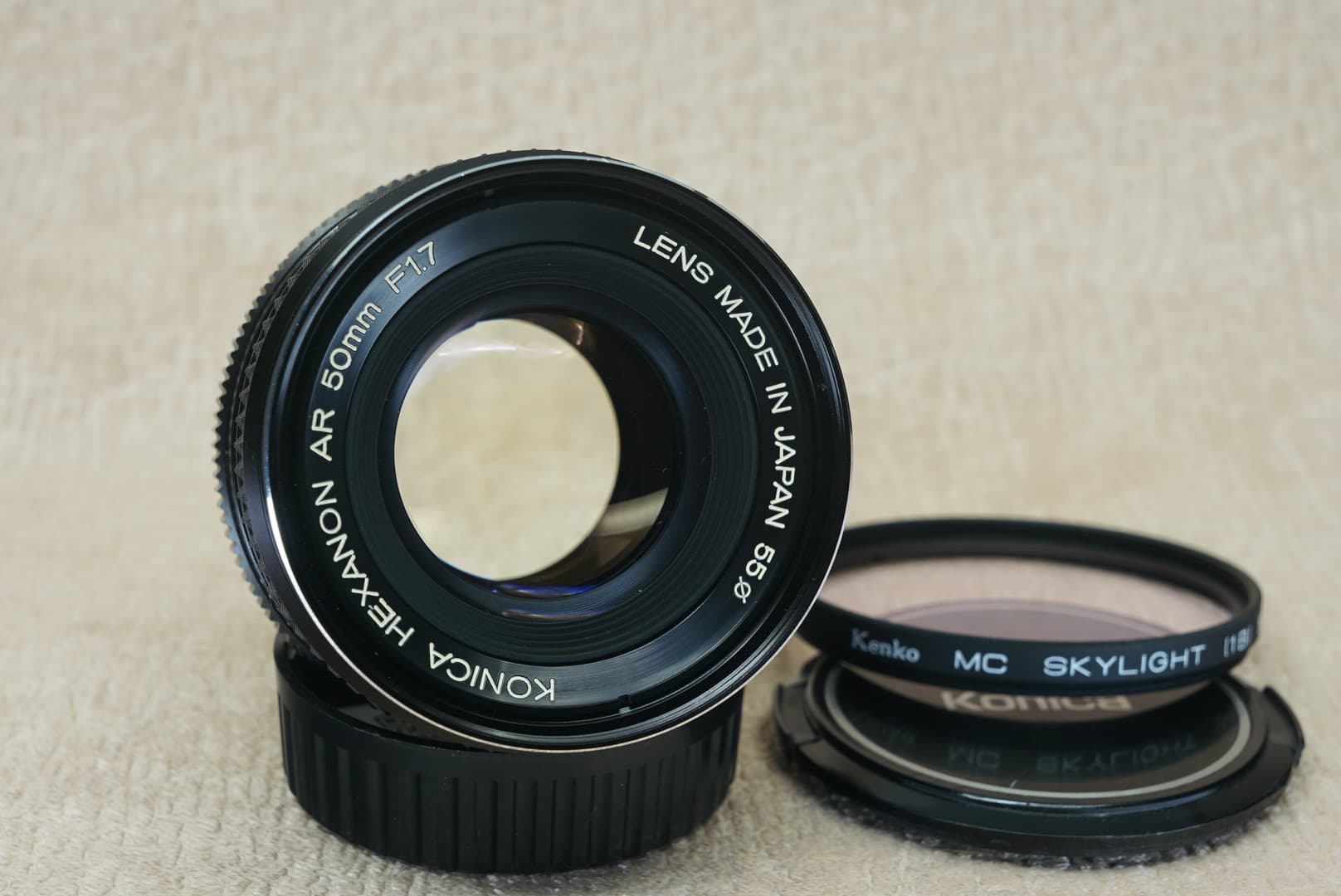
ปีผลิต
1973 – 1979
ผลิตที่
Japan
สูตรเลนส์
-
อัปเดต
4 ก.ค. 2569
Konica AR · 50mm · f/1.7
ปีผลิต
1973 – 1979
ผลิตที่
Japan
สูตรเลนส์
-
อัปเดต
4 ก.ค. 2569
Konica Hexanon AR 50mm f1.7 เปิดตัวในปี 1973 ในฐานะเลนส์มาตรฐานติดหน้ากล้องของ Konica Autoreflex T3 SLR ซึ่งเป็นรุ่นต่อจาก T2 มันได้รับชื่อเสียงอย่างรวดเร็วในด้านประสิทธิภาพทางกระจกเลนส์ โดยเฉพาะความคมชัด เมื่อ Konica เปิดตัว Autoreflex TC ที่ขนาดเล็กลงและน้ำหนักเบาขึ้นในปี 1976 เพื่อสู้กับตัวเลือกที่กะทัดรัดกว่า พวกเขาได้ปรับปรุงเลนส์ให้เล็กและเบาลง ระยะโฟกัสใกล้สุดเพิ่มจาก 45cm เป็น 55cm และเอาครึ่งสตอปของรูรับแสงออก สิ่งสำคัญคือตามรายงานคุณภาพกระจกเลนส์ยังคงเดิม ผลิตภัณฑ์รุ่นที่สองนี้ผลิตต่อจนถึงปี 1979 เมื่อกล้อง FS-1 เปิดตัวพร้อมเลนส์พังก์เค้ก 40mm f1.8 ซึ่งต่อมาทำให้ Autoreflex TC จัดส่งพร้อมชิ้นแก้วใหม่นั้น ภายในตระกูล Hexanon เลนส์ 50mm f1.7 เป็นเลนส์มาตรฐานระดับเริ่มต้น ราคาย่อมเยา อยู่เคียงข้างเลนส์ที่เร็วกว่าอย่าง 50mm f1.4 และรุ่นไอคอนิก 57mm f1.2 แม้จะช้าที่สุดในบรรดาทั้งสาม แต่ผู้รีวิวมองว่าเป็นเลนส์ที่คมที่สุดและให้ผลการใช้งานยอดเยี่ยม โดยมีสัดส่วนราคาต่อประสิทธิภาพที่ดีที่สุดรุ่นหนึ่งในกลุ่ม Hexanon ในอดีต Hexanon ของ Konica ได้รับความนิยมน้อยกว่าบางยี่ห้อเพราะระยะหน้าแปลนที่สั้นทำให้ยากต่อการอแดปต์ไปยังกล้อง DSLR โดยไม่ใช้อะแดปเตอร์ที่มีชิ้นเลนส์ การเกิดขึ้นของกล้อง mirrorless (เช่น Canon EOS R) ทำลายอุปสรรคนี้และฟื้นความสนใจไว้ ไม่มีชื่อเล่นที่ยืนยันได้ในรีวิวต่างๆ
สรุป: Konica Hexanon AR 50mm f1.7 เหมาะเป็นเลนส์ 50mm วินเทจตัวแรกสำหรับคนที่มีงบจำกัดและต้องการผลลัพธ์ที่คมและคอนทราสต์โดยไม่ต้องจ่ายแพง มันให้ความคมชัดตรงกลางที่ดีแม้จะเปิดกว้างสุดบนกล้อง mirrorless และแยกวัตถุจากฉากหลังได้ดี แต่แลกด้วยวงแหวนรูรับแสงที่มีคลิกค่อนข้างชัด และไดอะแฟรม 6 ใบที่ทำให้ไฮไลต์เป็นรูปหกเหลี่ยมเมื่อหรี่รูรับแสง สำหรับช่างภาพที่คำนึงถึงราคาและต้องการเลนส์ไพรม์วินเทจที่คุ้มค่า นี่เป็นตัวเลือกที่ยอดเยี่ยมและงานประกอบดี
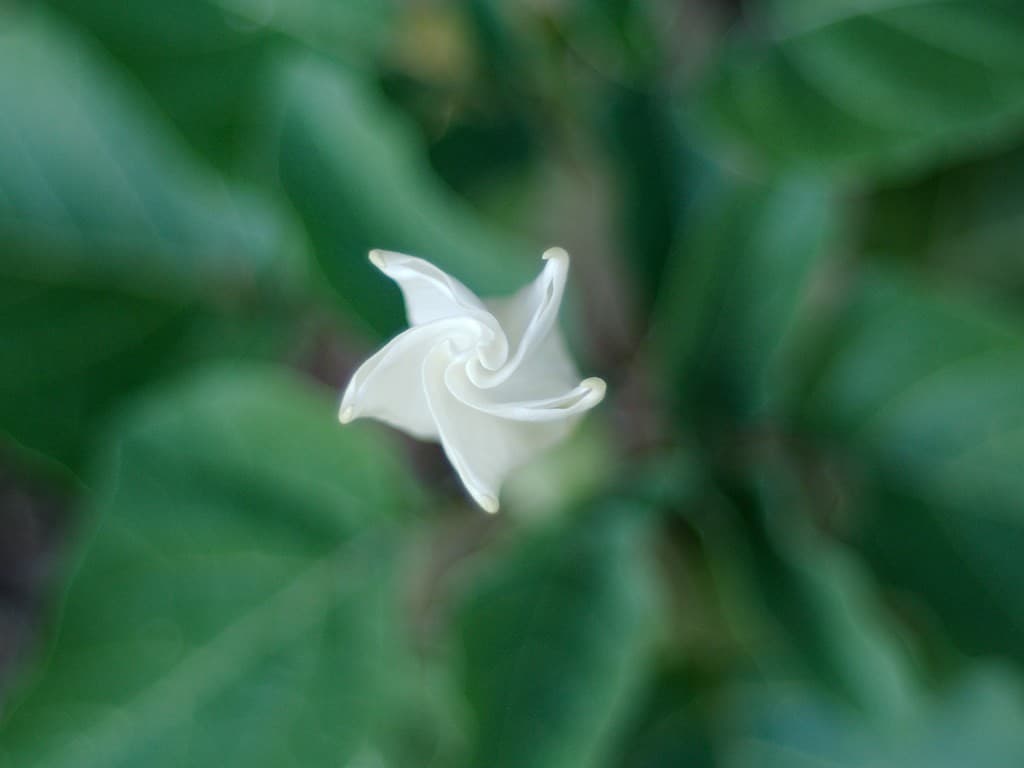
การแยกตัวแบบจากฉากหลังทำได้ยอดเยี่ยม แต่ใบเบลดรูรับแสง 6 ใบจะทำให้ไฮไลท์เป็นรูปหกเหลี่ยมเมื่อหรี่รูรับแสง ซึ่งอาจรบกวนสายตา
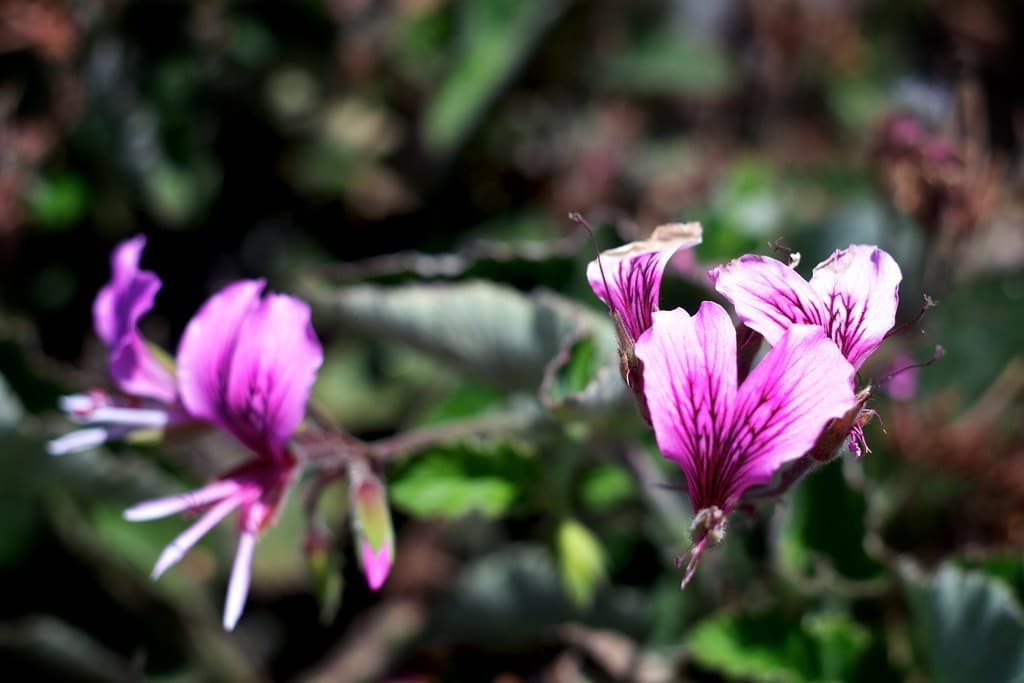
ให้ความคมชัดที่ศูนย์กลางแม้เมื่อใช้งานที่รูรับแสงกว้างสุด (wide open) ถือเป็นเลนส์ที่คมที่สุดในบรรดาเลนส์ 50 มม./57 มม. ของ Konica โดยความคมชัดจะดีขึ้นอย่างเห็นได้ชัดตั้งแต่ประมาณ f/2.8
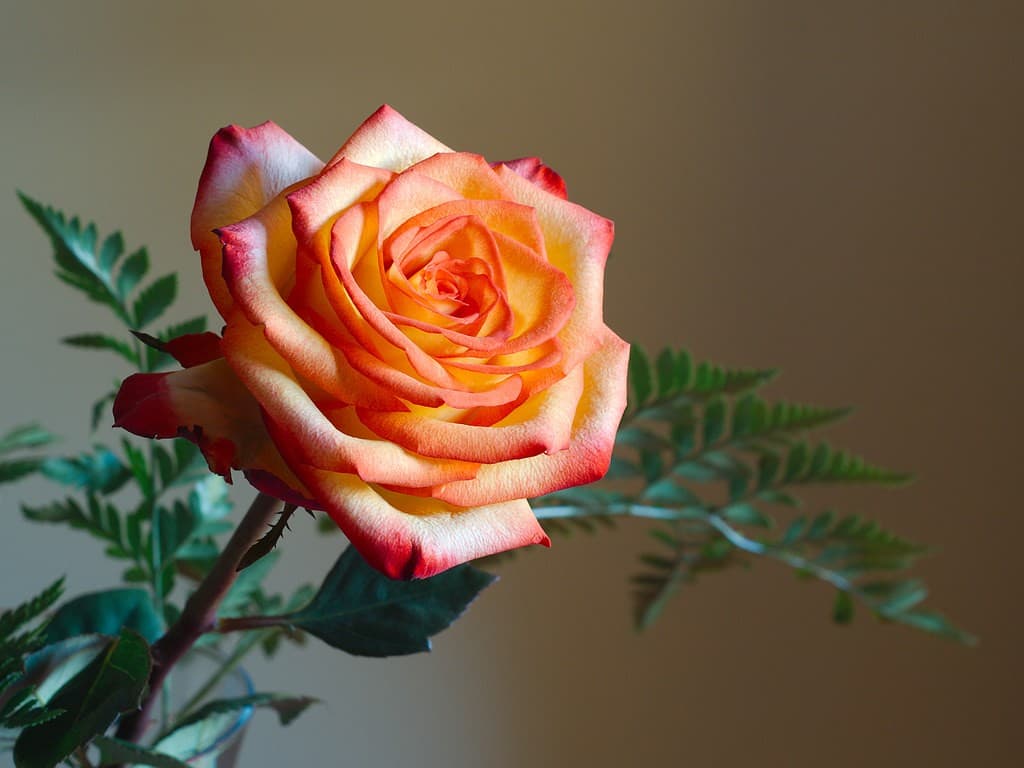
คอนทราสต์โดยรวมสูง — ภาพมักถูกบรรยายว่าให้ความเปรียบต่างและความคมชัดสูง
Konica Hexanon AR 50mm f1.7 เหมาะเป็นเลนส์ 50mm วินเทจตัวแรกสำหรับคนที่มีงบจำกัดและต้องการผลลัพธ์ที่คมและคอนทราสต์โดยไม่ต้องจ่ายแพง มันให้ความคมชัดตรงกลางที่ดีแม้จะเปิดกว้างสุดบนกล้อง mirrorless และแยกวัตถุจากฉากหลังได้ดี แต่แลกด้วยวงแหวนรูรับแสงที่มีคลิกค่อนข้างชัด และไดอะแฟรม 6 ใบที่ทำให้ไฮไลต์เป็นรูปหกเหลี่ยมเมื่อหรี่รูรับแสง สำหรับช่างภาพที่คำนึงถึงราคาและต้องการเลนส์ไพรม์วินเทจที่คุ้มค่า นี่เป็นตัวเลือกที่ยอดเยี่ยมและงานประกอบดี