ปีผลิต
-
ผลิตที่
East Germany (GDR)
สูตรเลนส์
Derived from the Meyer-Optik Görlitz Orestegon (28mm update of the Orestegon 28mm f/2.9).
อัปเดต
4 ก.ค. 2569
M42 · 28mm · f/2.8
ปีผลิต
-
ผลิตที่
East Germany (GDR)
สูตรเลนส์
Derived from the Meyer-Optik Görlitz Orestegon (28mm update of the Orestegon 28mm f/2.9).
อัปเดต
4 ก.ค. 2569
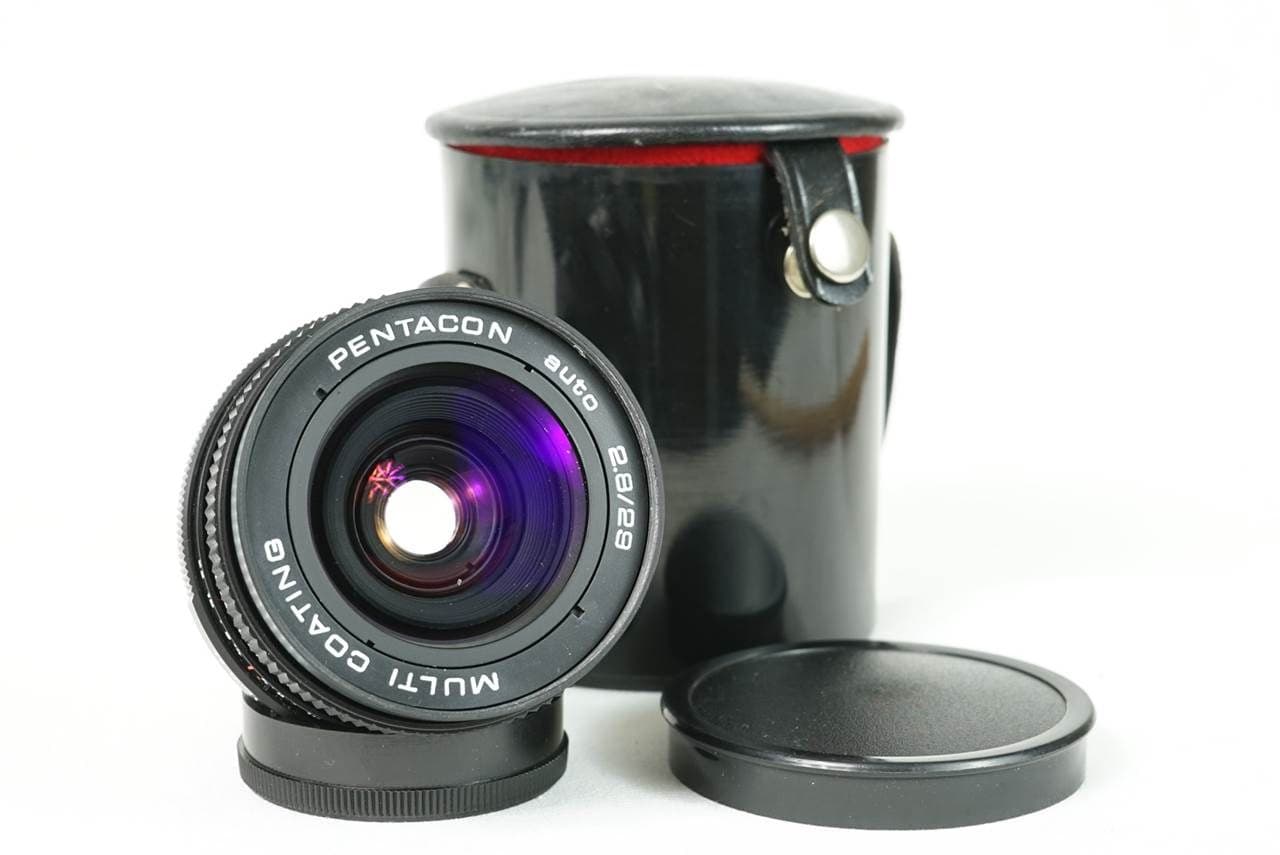
Pentacon 28mm f/2.8 สืบทอดสายตระกูลมาจากออปติกของเยอรมนีตะวันออก: รีวิวและฐานข้อมูลที่นี่บันทึกครอบครัวชิ้นงานที่เกี่ยวข้องอย่างใกล้ชิดซึ่งผลิตโดย VEB Pentacon Dresden (Feinoptisches Werk Görlitz). พี่น้องที่มีการรีวิวอย่างละเอียดที่สุดคือ Pentacon MC Auto 29mm f/2.8 (M42) ผลิตในสาธารณรัฐประชาธิปไตยเยอรมันตั้งแต่ประมาณปี 1970 ถึง 1991 และมีพื้นฐานการออกแบบมาจาก Meyer-Optik Görlitz Orestegon. ผลิตภัณฑ์ขนาน Prakticar 28mm f/2.8 MC (เมาท์บาโยเน็ตแบบ B) ถูกอธิบายว่าเป็นการอัปเดตของ Orestegon 28mm f/2.9 ผลิตตั้งแต่ 1971 ถึง 1991. ชื่อ 28mm f/2.8 ปรากฏทั้งบนตัวถังแบบ M42 (Praktica/Pentacon) และตัวถัง Prakticar เมาท์ B ในภายหลัง ซึ่งปัจจุบันนักสะสมขำ ๆ เรียกกันว่า 'Dead Lens Mount Club' เพราะเมาท์บาโยเน็ต Prakticar B ไม่มีบ้านสำหรับกล้องสมัยใหม่. เลนส์ชิ้นนี้มีฐานคนชื่นชอบแบบลัทธิที่แท้จริงในฐานะเลนส์มือหมุนมุมกว้างราคาย่อมเยาและมีบุคลิกภาพโดดเด่น. ในฟอรัมของรุ่นที่เกี่ยวข้อง มันได้รับฉายาว่า 'โบเก้มอนสเตอร์' สำหรับการให้ละลายฉากหลังที่งดงาม และโบเก้วนถูกพูดถึงบ่อย (แม้ชุมชนทดสอบจะสังเกตว่า focal reducer/สปีดบูสเตอร์ บน APS-C สามารถเน้นเอฟเฟ็กต์การวนมากขึ้น ทำให้อาจไม่สะท้อนพฤติกรรมดั้งเดิมของเลนส์บนฟูลเฟรม). ผู้คนชื่นชอบเพราะราคาถูก ติดอะแดปเตอร์ง่ายผ่าน M42 และให้ลุควินเทจนุ่ม ๆ ที่เมื่อหรี่รูรับแสงจะให้ความคมที่น่าพอใจ.
สรุป: เลนส์มุมกว้างจากเยอรมนีตะวันออกที่เต็มไปด้วยบุคลิกภาพ เหมาะกับช่างภาพที่อยากสำรวจกระจกวินเทจในงบประมาณจำกัด. หากคุณให้คุณค่ากับการเรนเดอริงแบบโบเก้วน 'โบเก้มอนสเตอร์' และลุวนุ่มแบบวินเทจมากกว่าความคมแบบคลินิก เลนส์นี้ตอบโจทย์—โดยเฉพาะเมื่อหรี่รูรับแสงที่ f/5.6–f/8. เลือกเวอร์ชัน M42 หากต้องการใช้อะแดปเตอร์ได้ง่าย และระวังว่า focal reducer/สปีดบูสเตอร์ จะขยายการวนอันเป็นลายเซ็นของเลนส์
มีลักษณะโบเก้แบบหมุนวนและให้ภาพที่งดงาม จนได้รับฉายา "bokeh monster" — อย่างไรก็ตาม ความหมุนวนที่เห็นเด่นชัดในตัวอย่างบางภาพอาจถูกขยายให้มากเกินจริงเมื่อใช้ focal reducer (เช่น speed booster) กับกล้องที่มีเซนเซอร์ APS‑C
ให้ความคมชัดในระดับปานกลางและค่อนข้างนุ่มเล็กน้อยเมื่อใช้ที่รูรับแสงกว้างสุด แต่จะดีขึ้นอย่างเห็นได้ชัดเมื่อหรี่รูรับแสงลงเป็น f/5.6–f/8
ชิ้นแก้วเคลือบหลายชั้น ซึ่งขึ้นชื่อว่าให้ความเปรียบต่าง (contrast) ที่ดีขึ้นเมื่อเทียบกับการออกแบบ Orestegon รุ่นก่อนที่เคลือบเพียงชั้นเดียว
เลนส์มุมกว้างจากเยอรมนีตะวันออกที่เต็มไปด้วยบุคลิกภาพ เหมาะกับช่างภาพที่อยากสำรวจกระจกวินเทจในงบประมาณจำกัด. หากคุณให้คุณค่ากับการเรนเดอริงแบบโบเก้วน 'โบเก้มอนสเตอร์' และลุวนุ่มแบบวินเทจมากกว่าความคมแบบคลินิก เลนส์นี้ตอบโจทย์—โดยเฉพาะเมื่อหรี่รูรับแสงที่ f/5.6–f/8. เลือกเวอร์ชัน M42 หากต้องการใช้อะแดปเตอร์ได้ง่าย และระวังว่า focal reducer/สปีดบูสเตอร์ จะขยายการวนอันเป็นลายเซ็นของเลนส์