ปีผลิต
1958 – 1975
ผลิตที่
Japan
สูตรเลนส์
6 elements in 5 groups, shared across all M42 variants.
อัปเดต
4 ก.ค. 2569
M42 screwmount · 55mm · f/1.8
ปีผลิต
1958 – 1975
ผลิตที่
Japan
สูตรเลนส์
6 elements in 5 groups, shared across all M42 variants.
อัปเดต
4 ก.ค. 2569
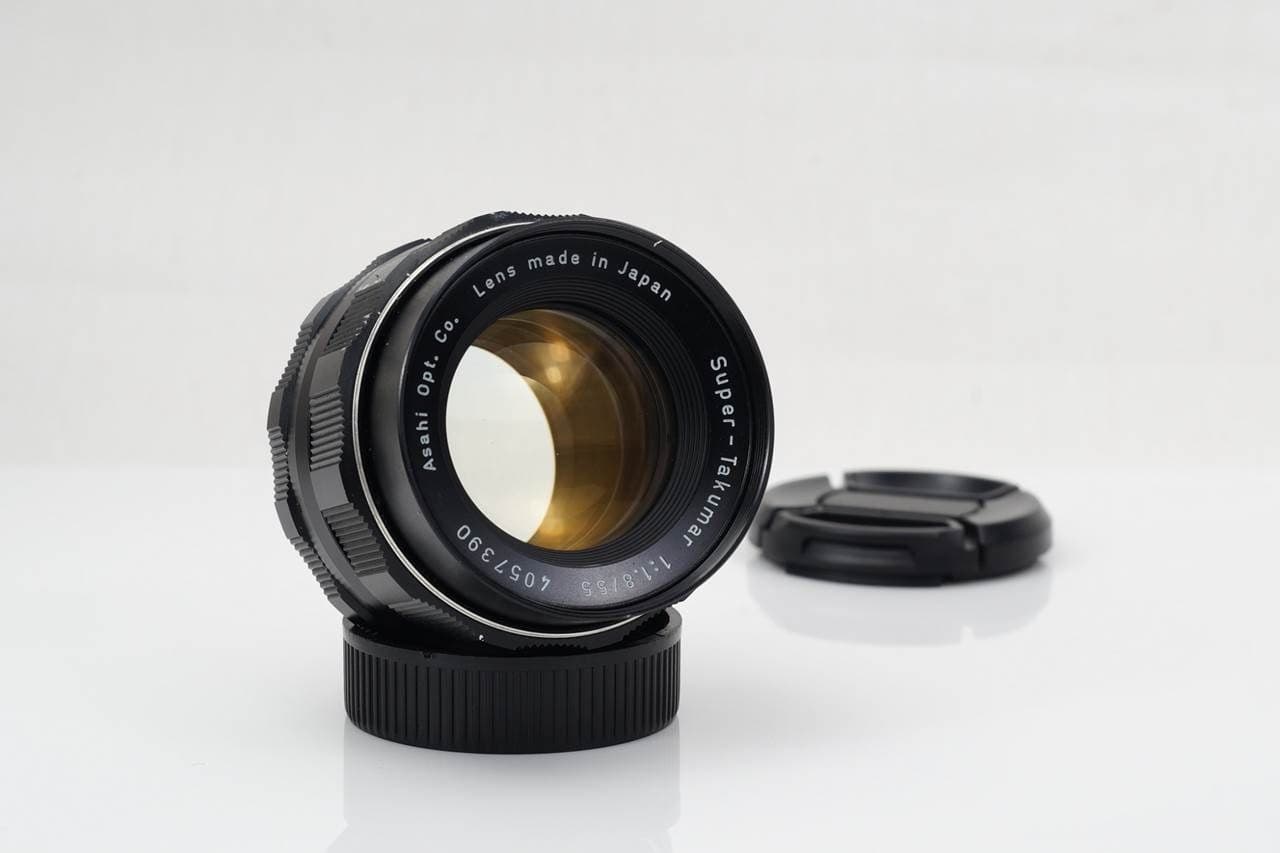
Takumar 55mm f/1.8 ผลิตโดย Asahi Optical Co. (ต่อมาเป็นที่รู้จักในชื่อ Pentax และปัจจุบันเป็นบริษัทย่อยของ Ricoh) ในประเทศญี่ปุ่น Asahi Optical ก่อตั้งโดย Kumao Kajiwara ซึ่งตั้งชื่อสาย Takumar ตามนามสกุลของพี่ชายเขา ผู้เป็นจิตรกร Takuma Kajiwara ตามรีวิว เลนส์นี้มีอยู่ในหลายรุ่นเมาท์สกรู M42 ผลิตตั้งแต่ปี 1958 ถึง 1975 โดยใช้สูตรออปติคอล 6 ชิ้นเลนส์/5 กลุ่มร่วมกันทั้งหมด เริ่มต้นเป็นรุ่นง่ายๆ 'Takumar 55mm F1.8' ปลายทศวรรษ 1950 และพัฒนาไปสู่ Auto-Takumar, Super-Takumar, Super-Multi-Coated (S-M-C) Takumar และสุดท้ายเป็น SMC Takumar โดยมักถูกบันเดิลมากับกล้องเช่น Asahi Pentax SV และ Spotmatic รุ่น Super-Takumar 55mm f/1.8 โดยเฉพาะออกในปี 1962 ในฐานะเลนส์ทั่วชุดสำหรับ Pentax SV รีวิวระบุว่าเลนส์นี้มักถูกเรียกว่าเป็นกัมมันตภาพรังสี เนื่องจากอย่างน้อยหนึ่งชิ้นเลนส์ (ตั้งแต่เวอร์ชันปี 1965 เป็นต้นมา) ใช้กระจกทอเรียมที่มีแนวโน้มจะเปลี่ยนเป็นสีเหลืองเมื่อเวลาผ่านไป — การเหลืองนี้สามารถลดลงได้โดยการให้เลนส์ได้รับแสงอัลตร้าไวโอเลต (แสงแดด) เลนส์นี้มีฐานแฟนคลับเนื่องจากราคาถูกมาก คุณภาพการผลิตแข็งแรง การเรนเดอร์น่าพึงพอใจ และมีคาแรกเตอร์วินเทจ หนึ่งในรีวิวกล่าวว่าอาจเป็นเลนส์วินเทจที่ได้รับความนิยมมากที่สุดในญี่ปุ่นในปัจจุบัน อยู่รองจาก Helios 44-2 ในด้านความนิยมบน Instagram และแนะนำอย่างกว้างขวางสำหรับผู้เริ่มต้นเข้าสู่การถ่ายภาพด้วยเลนส์วินเทจ ไม่มีชื่อเล่นอื่นๆ นอกเหนือจากคำพรรณนา 'radioactive' ปรากฏในรีวิวเหล่านี้
สรุป: Takumar 55mm f/1.8 เป็นจุดเข้าที่คุ้มค่าสำหรับการเริ่มต้นถ่ายภาพด้วยเลนส์วินเทจ ราคาย่อมเยา คุณภาพการผลิตแข็งแรง และมีคาแรกเตอร์ ให้โบเก้สวยงามและแฟลร์วินเทจที่มีเสน่ห์ ทำให้เป็นที่รักของผู้เริ่มต้นและนักสะสมโดยเฉพาะในญี่ปุ่น แม้จะไม่คมเมื่อเปิดกว้างสุดและมีปัญหาเมื่อเจอแสงจ้าก็จริง แต่เมื่อหรี่รูรับแสงเป็น f/2–f/2.8 จะให้ผลลัพธ์ที่น่าพอใจ เหมาะสำหรับผู้ที่ต้องการเลนส์ไพรม์มาตรฐานที่มีคาแรกเตอร์ในราคาจับต้องได้สำหรับถ่ายพอร์ตเทรต ถ่ายแสงน้อย และถ่ายฟิล์ม ตราบใดที่รับได้กับข้อจำกัดแบบวินเทจ เช่น ความนุ่มเมื่อเปิดกว้างและการเหลืองจากทอเรียมที่อาจเกิดขึ้น
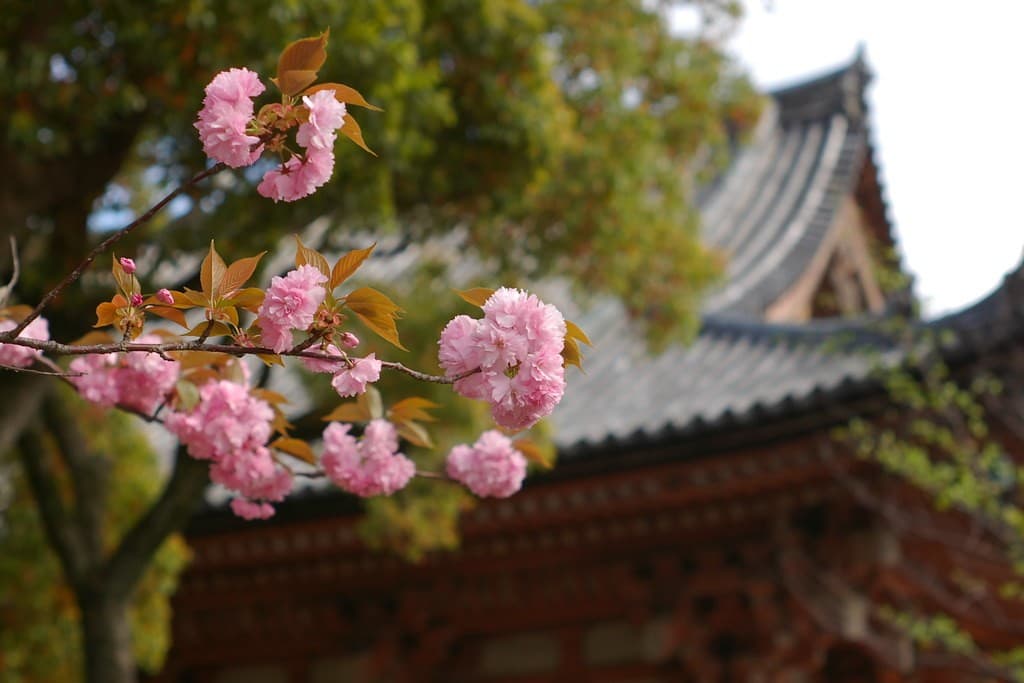
โบเก้สวยงามน่าพอใจ ให้การละลายฉากหลังที่มีรายละเอียดมากได้อย่างนุ่มนวล แม้จะมีความละมุนของโบเก้น้อยกว่าเลนส์ f/1.4 เล็กน้อย
ไม่แน่ชัด แต่รุ่นที่ใช้แก้วทอเรียมมักจะเกิดการออกโทนสีเหลือง ซึ่งสามารถลดได้โดยการฉายแสงอัลตราไวโอเลต (UV)
ไม่คมมากเมื่อใช้รูรับแสงกว้างสุด (wide open) มีฟรินจิ้งสีฟ้าและมุมภาพค่อนข้างนุ่ม แต่เมื่อหรี่รูรับแสงลงเป็นประมาณ f/2 หรือ f/2.8 ความคมจะดีขึ้นอย่างเห็นได้ชัด
เกิดแฟลร์ได้ง่าย ให้ลุควินเทจ/ย้อนยุคที่ถ่ายออกมาดูน่าสนใจ แต่ยังควบคุมแสงจ้ามากได้ไม่ดี แม้จะใส่ฮูดแล้ว
มักมีคอนทราสต์ลดลงในสภาพแสงจ้าและเมื่อถ่ายย้อนแสง
Takumar 55mm f/1.8 เป็นจุดเข้าที่คุ้มค่าสำหรับการเริ่มต้นถ่ายภาพด้วยเลนส์วินเทจ ราคาย่อมเยา คุณภาพการผลิตแข็งแรง และมีคาแรกเตอร์ ให้โบเก้สวยงามและแฟลร์วินเทจที่มีเสน่ห์ ทำให้เป็นที่รักของผู้เริ่มต้นและนักสะสมโดยเฉพาะในญี่ปุ่น แม้จะไม่คมเมื่อเปิดกว้างสุดและมีปัญหาเมื่อเจอแสงจ้าก็จริง แต่เมื่อหรี่รูรับแสงเป็น f/2–f/2.8 จะให้ผลลัพธ์ที่น่าพอใจ เหมาะสำหรับผู้ที่ต้องการเลนส์ไพรม์มาตรฐานที่มีคาแรกเตอร์ในราคาจับต้องได้สำหรับถ่ายพอร์ตเทรต ถ่ายแสงน้อย และถ่ายฟิล์ม ตราบใดที่รับได้กับข้อจำกัดแบบวินเทจ เช่น ความนุ่มเมื่อเปิดกว้างและการเหลืองจากทอเรียมที่อาจเกิดขึ้น