ปีผลิต
1939 – 1953
ผลิตที่
-
สูตรเลนส์
7 elements in 4 groups
อัปเดต
1 ก.ค. 2569
Leica Screw (L39) · 50mm · f/2
ปีผลิต
1939 – 1953
ผลิตที่
-
สูตรเลนส์
7 elements in 4 groups
อัปเดต
1 ก.ค. 2569
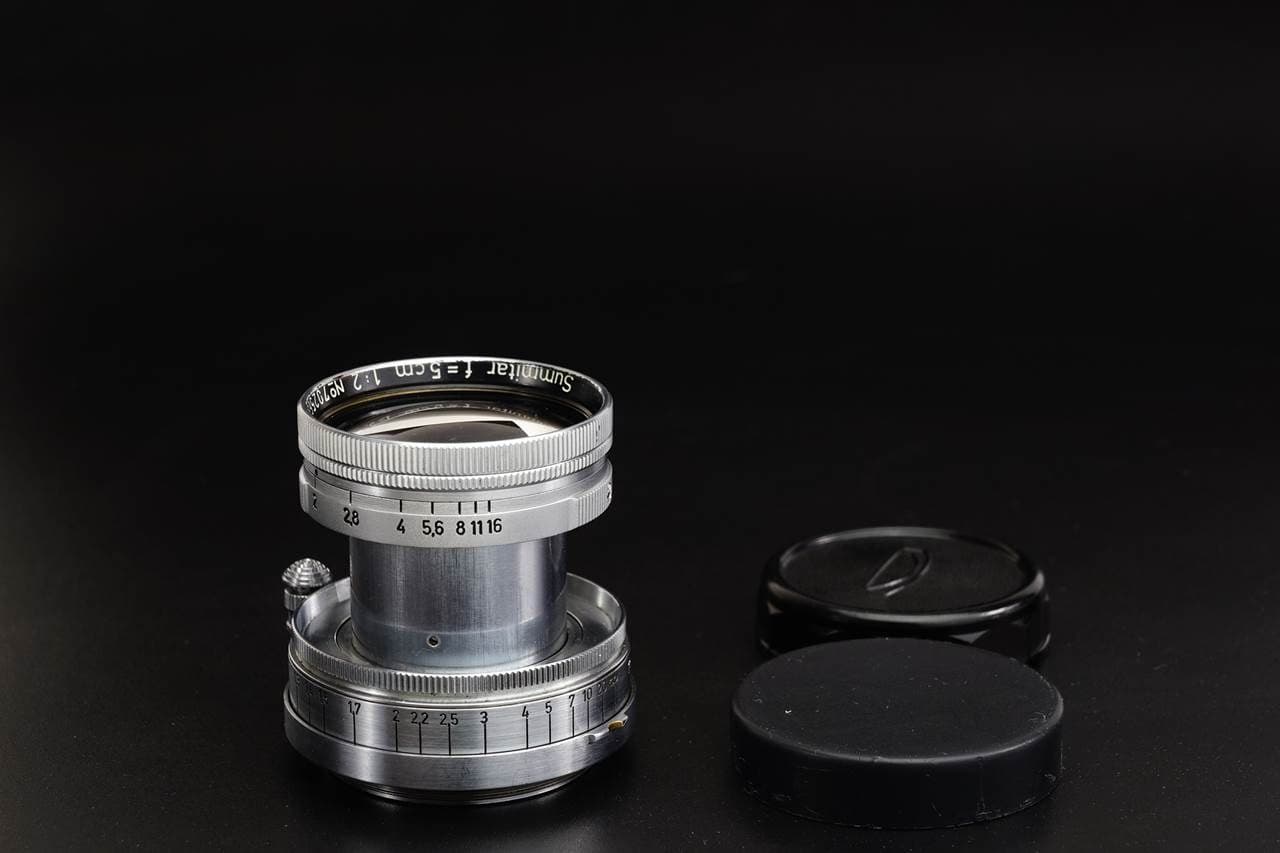
Leica Summitar 50mm f/2 เป็นเลนส์ปกติที่ให้ประสิทธิภาพสูงสุดของ Ernst Leitz ตั้งแต่เปิดตัวในปี 1939 จนกระทั่งถูกแทนที่โดย Summicron ในปี 1952/1953 พัฒนาเป็นรุ่นสืบทอดจาก Summar 50mm f/2 (1933-1939) ซึ่งเคยเป็น 'เลนส์ LEICA ที่ร้อนแรงและต้องมี' ของยุคนั้น ตามบทวิจารณ์ Summitar ใช้ชิ้นเลนส์หน้าที่มีขนาดใหญ่กว่า Summar มากเพื่อลดขอบดำเชิงกลและการลดแสงไปมุมภาพอย่างมาก ซึ่ง Leica เน้นว่าสำคัญเป็นพิเศษสำหรับงานภาพสีที่กำลังเกิดขึ้นในขณะนั้น โดยกล่าวว่า Summitar เหมาะเป็นพิเศษสำหรับงานดังกล่าว กลุ่มหน้าถูกอัปเกรดจากชิ้นหน้าซิงเกิ้ลของ Summar เป็นชิ้นเลนส์หน้าที่ประกบติดกันสองชิ้น การผลิตโดยประมาณช่วงปี 1939-1953 (ผู้วิจารณ์บางคนสังเกตสำเนาที่ผลิตถึงปี 1955) รุ่นก่อนสงครามเป็นแบบไม่มีสารเคลือบ และเลนส์จากประมาณปี 1946 (รหัสซีเรียลประมาณ 601,001) เริ่มได้รับการเคลือบสีน้ำเงินชั้นเดียวที่ชิ้นเลนส์หน้า ไม่มีชื่อเล่นที่เป็นที่ยอมรับหรือศัพท์สังคมเฉพาะปรากฏในบทวิจารณ์เหล่านี้ มันยังคงมีคนติดตามเป็นจำนวนมากเพราะเป็นเลนส์ 50mm มือหมุนขนาดกะทัดรัดที่พับได้ ให้ความคมมากตรงกลางแต่ให้ลีลาการเรนเดอร์ที่นุ่มกว่าและคอนทราสต์ต่ำกว่าเลนส์สมัยใหม่
สรุป: Leica Summitar 50mm f/2 เป็นเลนส์คลาสสิกขนาดกะทัดรัดที่พับเก็บได้ ซึ่งให้ผลตอบแทนแก่ช่างภาพที่ต้องการเลนส์ไพรม์มือหมุนระยะปกติที่คมจริงและมีบุคลิกเฉพาะตัว। ให้ความคมชัดบริเวณศูนย์สูง พร้อมการให้ภาพที่อ่อนโทนและคอนทราสต์ต่ำ เหมาะกับการถ่ายภาพบุคคล และมีขอบดำดีกว่า Summar. เหมาะที่สุดสำหรับผู้ตามหาบุคลิกของเลนส์ที่ยอมรับข้อบกพร่องแบบวินเทจ: ชิ้นเลนส์ด้านหน้าค่อนข้างบอบบางและเป็นรอยขีดข่วนได้ง่าย, อาจมีฝ้า, การหล่อลื่นเก่าแข็ง, และแฟลร์จากสารเคลือบยุคแรก หากต้องการความสมบูรณ์แบบทางเทคนิคแบบสมัยใหม่ ให้มองหา Summicron รุ่นหลังๆ; หากต้องการการให้ภาพแบบวินเทจในตัวเรือนขนาดเล็ก Summitar ตอบโจทย์.
ถือว่าเหมาะเป็นพิเศษสำหรับงานภาพสีในยุคแรก ๆ เนื่องจากการมืดมุมภาพ (vignetting) ลดลง; โทนสีเฉพาะยังไม่เป็นที่ทราบแน่ชัด
คมชัดเป็นพิเศษตรงกลาง แต่บริเวณขอบและมุมภาพจะนุ่มกว่าเมื่อเทียบกับเลนส์ Leica สมัยใหม่
ตัวอย่างเลนส์ที่ไม่มีการเคลือบหรือเลนส์เคลือบเดี่ยวรุ่นแรก มักเกิดแสงแฟลร์ได้ง่าย โดยเฉพาะในสภาพแสงจ้า ควรใช้ฮูดเพื่อบังแสง
มีคอนทราสต์โดยรวมต่ำกว่าเลนส์สมัยใหม่ จึงให้โทนภาพที่นุ่มนวล มากกว่าจะเป็นคอนทราสต์สูงและเกินจริง
ออกแบบให้มีชิ้นเลนส์ด้านหน้าขนาดใหญ่กว่า Summar เพื่อช่วยลด vignetting ทางกลและการลดความสว่างที่ขอบภาพอย่างมาก
Leica Summitar 50mm f/2 เป็นเลนส์คลาสสิกขนาดกะทัดรัดที่พับเก็บได้ ซึ่งให้ผลตอบแทนแก่ช่างภาพที่ต้องการเลนส์ไพรม์มือหมุนระยะปกติที่คมจริงและมีบุคลิกเฉพาะตัว। ให้ความคมชัดบริเวณศูนย์สูง พร้อมการให้ภาพที่อ่อนโทนและคอนทราสต์ต่ำ เหมาะกับการถ่ายภาพบุคคล และมีขอบดำดีกว่า Summar. เหมาะที่สุดสำหรับผู้ตามหาบุคลิกของเลนส์ที่ยอมรับข้อบกพร่องแบบวินเทจ: ชิ้นเลนส์ด้านหน้าค่อนข้างบอบบางและเป็นรอยขีดข่วนได้ง่าย, อาจมีฝ้า, การหล่อลื่นเก่าแข็ง, และแฟลร์จากสารเคลือบยุคแรก หากต้องการความสมบูรณ์แบบทางเทคนิคแบบสมัยใหม่ ให้มองหา Summicron รุ่นหลังๆ; หากต้องการการให้ภาพแบบวินเทจในตัวเรือนขนาดเล็ก Summitar ตอบโจทย์.