ปีผลิต
1978
ผลิตที่
-
สูตรเลนส์
-
อัปเดต
1 ก.ค. 2569
Nikon AI-S · 70mm · f/2.8
ปีผลิต
1978
ผลิตที่
-
สูตรเลนส์
-
อัปเดต
1 ก.ค. 2569
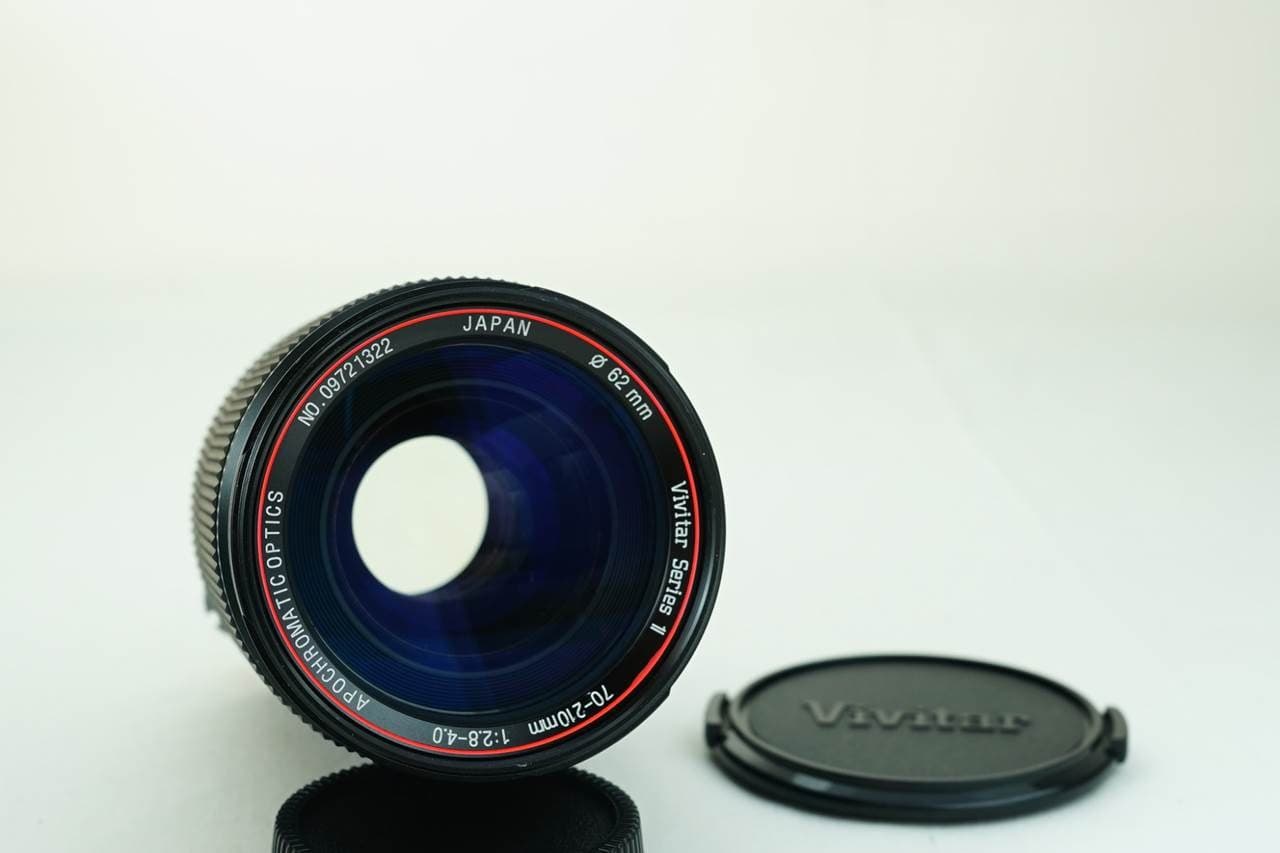
Vivitar Series 1 70-210mm ถูก Ken Rockwell อธิบายว่าเป็น 'คลาสสิกที่สุดของเลนส์จากผู้ผลิตภายนอก' เช่นเดียวกับเลนส์ Vivitar หลายรุ่น มันไม่ได้ผลิตโดย Vivitar เอง แต่ผลิตโดย 'ผู้ผลิตชั้นที่สี่' โดยการออกแบบเปลี่ยนแปลงไปตามปี ข้อมูลที่ Rockwell อ้างซึ่งอาจเป็นเรื่องเล่าเลือนระบุว่าเวอร์ชันคลาสสิกที่เขารีวิวผลิตโดย Kino Precision (ผู้ผลิตเดียวกับเลนส์แบรนด์ Kiron) ในเดือนธันวาคม 1978 Rockwell ระบุว่าเวอร์ชันเฉพาะนี้เป็นเวอร์ชันที่เพื่อนฉลาดของเขาพกพาเมื่อเขาทำงานเป็นบรรณาธิการภาพให้หนังสือพิมพ์ในนิวยอร์กระหว่างปี 1980 ถึง 1984 เลนส์ตัวนี้ได้รับการยกย่องอย่างกว้างขวางในกลุ่มผู้ใช้เพราะให้ประสิทธิภาพทางกระจกเลนส์สูงมากในราคาที่วันนี้ขาย 'แทบไม่มีราคา' (ประมาณ $30 มือสอง ตามที่ Rockwell กล่าว) ผู้รีวิวชื่นชมอย่างสม่ำเสมอในเรื่องโบเก้ที่เรียบและน่าพอใจ รวมถึงความสามารถมาโครที่มีประโยชน์ หมายเหตุ: บทวิจารณ์ที่ให้ไว้ทั้งหมดอธิบายเวอร์ชัน f/3.5; เวอร์ชัน f/2.8 ไม่มีหลักฐานในแหล่งข้อมูลเหล่านี้
สรุป: Vivitar Series 1 70-210mm เป็นเลนส์ซูมระยะเทเลมือหมุนในตำนานที่ราคาคุ้มค่า โดดเด่นด้วยโบเก้ที่เรียบและไม่วุ่นวาย มีคาแรกเตอร์แท้จริง และคุณภาพทางกระจกเลนส์โดยรวม 'ดีมาก' — เหมาะอย่างยิ่งสำหรับช่างภาพพอร์ตเทรตและภาพธรรมชาติบนระบบ FX/ฟิล์มหรือกล้องตัวที่เป็นมือหมุน ที่ไม่รังเกียจการหรี่รูรับแสงเพื่อให้ได้ความคมสูงสุด แต่อย่าลืมเรื่องวงแหวนโฟกัสที่หมุนกลับทิศทาง กลไกมาโครแบบเปลี่ยนเกียร์ และควรหาซื้อเวอร์ชัน AI (หมายเหตุ: แหล่งข้อมูลที่มีอ้างถึงเฉพาะเวอร์ชัน f/3.5; การระบุ f/2.8 ในชื่อรายการนี้ไม่มีหลักฐานรองรับในบทวิจารณ์ที่ให้มา)
เรียบเนียนเป็นพิเศษ ไม่รกรุงรัง และน่าพึงพอใจในทุกรุ่น/ทุกเวอร์ชัน โดยไม่มีฟองหรือการบิดวนของโบเก้
ไม่คมเป็นพิเศษเมื่อใช้ที่รูรับแสงกว้างสุด มีอาการภาพฟุ้ง (blooming) และความนุ่มของรายละเอียด (แย่ที่สุดที่ 70 มม.) คุณภาพดีขึ้นอย่างมากเมื่อหรี่รูรับแสงลง โดยรวม Rockwell ให้คะแนนว่า "ดีมาก"
ในเวอร์ชันที่สี่ ภาพที่ถ่ายเมื่อเปิดรูรับแสงกว้างสุดจะแสดงอาการบลูมมิ่ง (ฟุ้งของแสง) และความเปรียบต่างลดลง ซึ่งจะดีขึ้นเมื่อหรี่รูรับแสงลง
Vivitar Series 1 70-210mm เป็นเลนส์ซูมระยะเทเลมือหมุนในตำนานที่ราคาคุ้มค่า โดดเด่นด้วยโบเก้ที่เรียบและไม่วุ่นวาย มีคาแรกเตอร์แท้จริง และคุณภาพทางกระจกเลนส์โดยรวม 'ดีมาก' — เหมาะอย่างยิ่งสำหรับช่างภาพพอร์ตเทรตและภาพธรรมชาติบนระบบ FX/ฟิล์มหรือกล้องตัวที่เป็นมือหมุน ที่ไม่รังเกียจการหรี่รูรับแสงเพื่อให้ได้ความคมสูงสุด แต่อย่าลืมเรื่องวงแหวนโฟกัสที่หมุนกลับทิศทาง กลไกมาโครแบบเปลี่ยนเกียร์ และควรหาซื้อเวอร์ชัน AI (หมายเหตุ: แหล่งข้อมูลที่มีอ้างถึงเฉพาะเวอร์ชัน f/3.5; การระบุ f/2.8 ในชื่อรายการนี้ไม่มีหลักฐานรองรับในบทวิจารณ์ที่ให้มา)