ปีผลิต
1966
ผลิตที่
-
สูตรเลนส์
7 elements in 5 groups (Rokkor-PG)
อัปเดต
1 ก.ค. 2569
Minolta MD · 58mm · f/1.2
ปีผลิต
1966
ผลิตที่
-
สูตรเลนส์
7 elements in 5 groups (Rokkor-PG)
อัปเดต
1 ก.ค. 2569
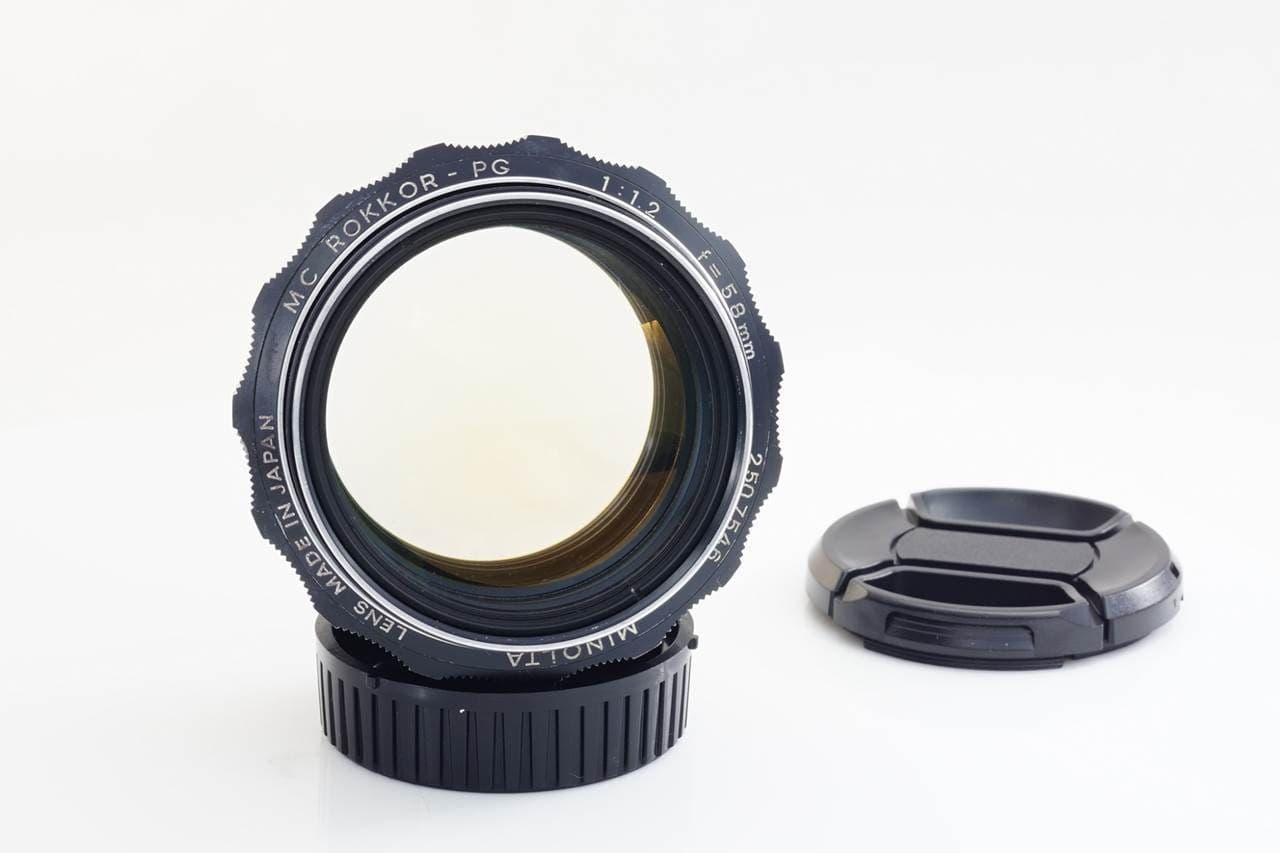
Minolta MC Rokkor-PG 58mm f/1.2 น่าจะเป็นเลนส์ที่มีชื่อเสียงที่สุดของ Minolta: เลนส์ไพรม์มาตรฐานสปีดสูง เปิดตัวในปี 1966 ในเมาท์ SR การออกแบบกระจกเลนส์แบบเดียวกัน (7 ชิ้นเลนส์ใน 5 กลุ่ม) ถูกใช้กับเวอร์ชันที่ต่างกันทางกลไกถึงสามแบบตลอดอายุการผลิต โดยคำต่อท้าย 'PG' อ้างอิงถึงโครงสร้าง 5 กลุ่ม 7 ชิ้นเลนส์ เวอร์ชันแรกสุด (1966-1969) มีวงแหวนโฟกัสโลหะแบนทั้งหมดและเป็นรุ่นหายากที่สุด; น่าสังเกตว่ากระจกเลนส์รุ่นนี้มักเกิดการเหลืองตามกาลเวลา ซึ่งน่าจะมาจากธาตุกัมมันตรังสีในกระจก เวอร์ชันที่สอง (1969-1973) ยังคงมีวงแหวนโลหะแต่มีสันนูนขึ้น ส่วนเวอร์ชันที่สามซึ่งเป็นรุ่นที่พบได้บ่อยที่สุด (จากปี 1973) ใช้วงแหวนโฟกัสแบบยางลายวาฟเฟิลและท้ายที่สุดก็ยกเลิกป้าย PG ในหมู่นักเล่นกล้อง เลนส์ตัวนี้ได้รับฉายาว่า 'Hawkeye' และได้รับคำชมในด้านโบเก้และการถ่ายทอดสีเป็นเอกฉันท์ ชุมชนผู้คลั่งไคล้ชื่นชอบมันจากการผสมผสานที่โดดเด่น: มุมมอง 58mm, ความชัดตื้นชัดลึกที่บางเฉียบเมื่อเปิดกว้างสุด, และการเรนเดอร์ที่เปลี่ยนจากคาแร็กเตอร์ฝันๆ ที่ f/1.2 ไปสู่ภาพคมชัดคุณภาพสูงที่ f/2 เจ้าของหลายคนยินดีจ่ายราคาพรีเมียมสำหรับสปีด f/1.2 ถึงแม้นักวิจารณ์หลายคนจะบอกว่าพลังจริงๆ ของเลนส์อยู่ที่ f/2 ซึ่งให้โบเก้ที่ดีเยี่ยมควบคู่กับความคมที่ยอดเยี่ยม
สรุป: Minolta MC Rokkor 58mm f/1.2 'Hawkeye' เป็นเลนส์มาตรฐานที่โดดเด่นที่สุดของ Minolta: เป็นกระจกสองบุคลิกที่ให้ภาพคาแร็กเตอร์แบบฝันเมื่อเปิดกว้างสุด และกลายเป็นเลนส์ที่คมชัดพร้อมโบเก้ยอดเยี่ยมเมื่อหรี่รูรับแสงเป็น f/2 เหมาะสำหรับช่างภาพที่ให้ความสำคัญกับการเรนเดอร์และมุมมองพอร์ตเทรต 58mm มากกว่าความคมแบบทางการเมื่อเปิดกว้างสุด และผู้ที่พร้อมจ่ายพรีเมียมสำหรับสปีดและชื่อเสียงลัทธิ ใช้งานได้ดีที่สุดเมื่อหรี่รูรับแสงเป็น f/2 ซึ่งเป็นจุดที่มนต์เสน่ห์ของมันปรากฏอย่างแท้จริง
เป็นที่ยกย่องอย่างกว้างขวาง — ให้โบเก้แบบวงแหวนและโบเก้ที่มุมภาพมีทรงเหมือนยาน UFO เมื่อใช้รูรับแสงกว้างสุด แต่เมื่อหรี่รูรับแสงเล็กน้อย โบเก้จะดีเป็นพิเศษและเปลี่ยนเป็นทรงคล้ายลูกรักบี้
ได้รับการยกย่องในด้านการถ่ายทอดสี แต่รุ่นแรกสุดมักจะเกิดโทนสีเหลืองเมื่อเวลาผ่านไป เนื่องจากมีชิ้นแก้วภายในที่เป็นกัมมันตรังสี.
เลนส์มีบุคลิกเฉพาะ: เมื่อเปิดสุดที่ f/1.2 จะมีอาร์ติแฟกต์ แต่เมื่อหุบมาเป็น f/2 ภาพจะคมขึ้นและให้รายละเอียดดีกว่า Minolta 58mm f/1.4
คอนทราสต์ของเลนส์อยู่ในระดับปานกลางเมื่อหรี่รูรับแสงเล็กน้อย และจะดีขึ้นเมื่อหรี่รูรับแสงให้แคบลง
เห็นได้ชัดเมื่อเปิดที่ f/1.2 (รูรับแสงกว้างสุด) แต่แทบจะหายไปเมื่อหรี่ลงเล็กน้อย
Minolta MC Rokkor 58mm f/1.2 'Hawkeye' เป็นเลนส์มาตรฐานที่โดดเด่นที่สุดของ Minolta: เป็นกระจกสองบุคลิกที่ให้ภาพคาแร็กเตอร์แบบฝันเมื่อเปิดกว้างสุด และกลายเป็นเลนส์ที่คมชัดพร้อมโบเก้ยอดเยี่ยมเมื่อหรี่รูรับแสงเป็น f/2 เหมาะสำหรับช่างภาพที่ให้ความสำคัญกับการเรนเดอร์และมุมมองพอร์ตเทรต 58mm มากกว่าความคมแบบทางการเมื่อเปิดกว้างสุด และผู้ที่พร้อมจ่ายพรีเมียมสำหรับสปีดและชื่อเสียงลัทธิ ใช้งานได้ดีที่สุดเมื่อหรี่รูรับแสงเป็น f/2 ซึ่งเป็นจุดที่มนต์เสน่ห์ของมันปรากฏอย่างแท้จริง