ปีผลิต
-
ผลิตที่
Japan
สูตรเลนส์
8 elements (original) or 7 elements (later versions).
อัปเดต
1 ก.ค. 2569
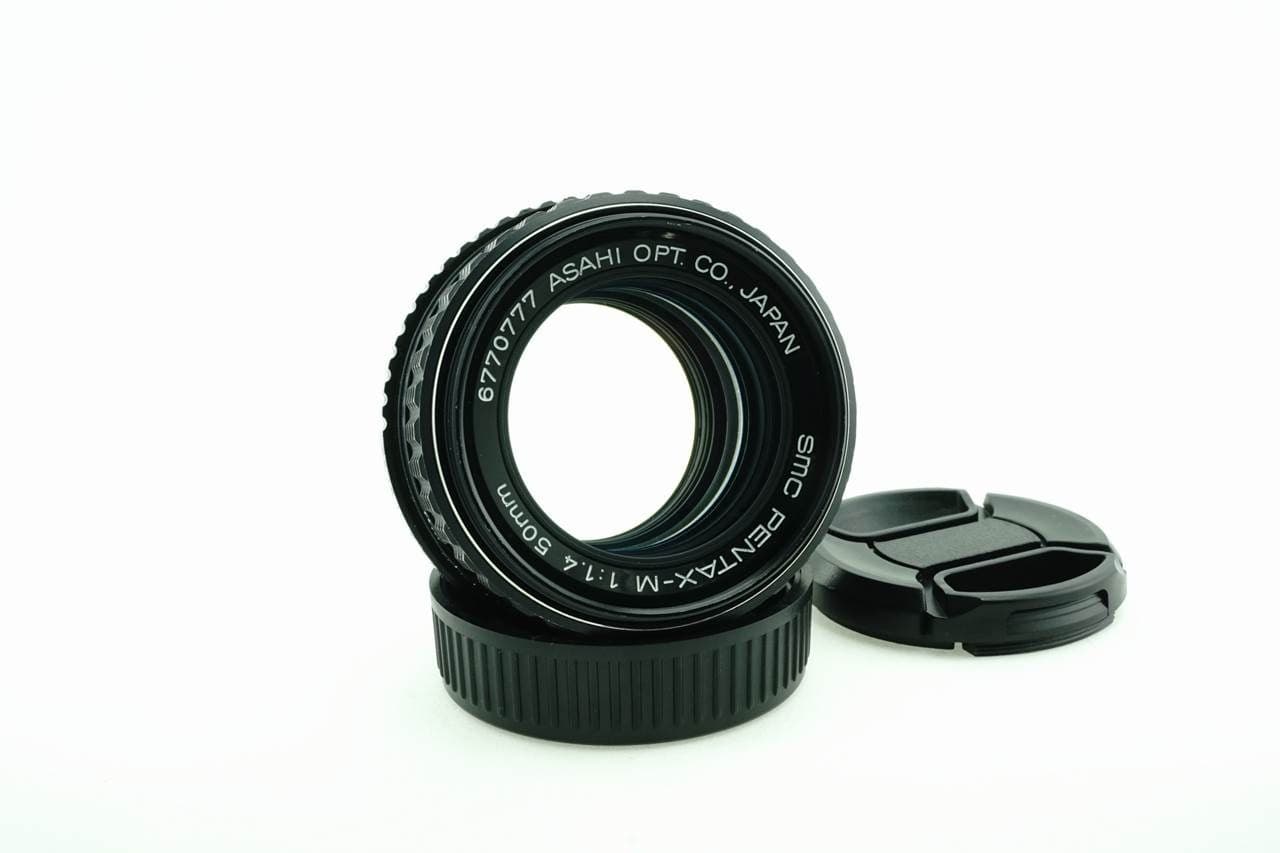
M42 · 50mm · f/1.4
ปีผลิต
-
ผลิตที่
Japan
สูตรเลนส์
8 elements (original) or 7 elements (later versions).
อัปเดต
1 ก.ค. 2569
Super Takumar 50mm f1.4 ถูกเปิดตัวโดย Asahi Optical Co. ในทศวรรษ 1960 และรวดเร็วได้รับชื่อเสียงในเชิงตำนานและสถานะลัทธิบนอินเทอร์เน็ต เวอร์ชันแรกสุดใช้จำนวนชิ้นเลนส์สูงผิดปกติ (8 ชิ้น) เพื่อเอาชนะ Zeiss ซึ่งขณะนั้นถูกยกย่องว่าเป็นผู้ผลิตเลนส์ที่ดีที่สุดในโลก Pentax บรรลุเป้าหมาย จนมีฉายาว่า 'Planar Killer' แต่ต่อมาได้ลดจำนวนชิ้นเลนส์เหลือ 7 ชิ้นเพื่อให้การผลิตต่อเนื่องเป็นไปได้ทางการเงิน มีเรื่องเล่าคงที่ว่ามีการขาดทุนต่อหน่วยในรุ่น 8 ชิ้นก่อนการเปลี่ยนแปลง แม้ความจริงของเรื่องนี้ยังไม่ยืนยัน เลนส์นี้ยังมีชื่อเสียงเรื่องความเป็น 'กัมมันตรังสี': รุ่นหลังๆ ผลิตด้วยแก้วมีธอเรียม (thorium oxide) ที่ชิ้นเลนส์ด้านหลัง ซึ่งช่วยปรับปรุงคุณสมบัติทางแสงแต่ทำให้เกิดการเปลี่ยนเป็นสีเหลืองหรือสีน้ำตาลเมื่อเวลาผ่านไปเนื่องจากการสลายตัวกัมมันตรังสีสร้าง 'F-centers' ในแก้ว แม้จะมีการสร้างความหวาดกลัวบนอินเทอร์เน็ต ผู้รีวิวที่ใช้เครื่องวัดกัมมันตภาพรังสียืนยันว่าการปล่อยรังสีเป็นแค่แหล่งปล่อยแอลฟาอ่อนที่ไม่เป็นอันตรายจริงในสภาพการใช้งานปกติ—ผู้รีวิวคนหนึ่งแม้จะทดสอบ 36 ชั่วโมงโดยให้ฟิล์มสัมผัสกับชิ้นเลนส์ด้านหลังตลอดเวลาแล้วไม่พบการฟ็อก ผู้คนชื่นชอบมันเพราะความคมชัด (ความคมชัด), โบเก้, ตัวเรือนโลหะทั้งชิ้นที่ให้ความรู้สึกแน่นหนา และสถานะของมันในตำนานการถ่ายภาพ
สรุป: Pentax Super Takumar 50mm f1.4 เป็นเลนส์ M42 ในตำนานที่คนรักเพราะความคมชัด ตัวเรือนโลหะทั้งชิ้นที่แข็งแรง และประวัติศาสตร์อันเข้มข้นในฐานะ 'Planar Killer' ที่ท้าทาย Zeiss เหมาะสำหรับผู้ที่ชื่นชอบคาแรกเตอร์วินเทจและไม่รังเกียจจุดประหลาดใจเช่นวงแหวนโฟกัสหมุนทิศทางย้อน แพร่แฟลร์บ้าง และ (ในรุ่นหลัง) ชิ้นเลนส์ธอเรียมกัมมันตรังสีที่เกิดการอมเหลืองเมื่อเวลาผ่านไป ซื้ออย่างระมัดระวังเพื่อหลีกเลี่ยงเชื้อราและคราบน้ำมัน แล้วคุณจะได้ครอบครองชิ้นหนึ่งของประวัติศาสตร์การถ่ายภาพ
เป็นที่รู้จักในด้านโบเก้ แม้จะถูกมองว่าเป็นจุดเด่นรอง รายละเอียดลักษณะเฉพาะยังไม่ชัดเจน
เลนส์รุ่นที่มีชิ้นแก้วผสมธอเรียมมักเกิดการเปลี่ยนเป็นสีเหลืองหรือสีน้ำตาลเมื่อเวลาผ่านไป ซึ่งส่งผลให้การถ่ายทอดสีเปลี่ยนแปลง แต่สามารถชดเชยได้โดยการปรับสมดุลสีขาว
มีชื่อเสียงด้านความคมชัด โดยเชื่อกันว่าในรุ่นหลังๆ แก้วผสมธอเรียม (thoriated glass) ช่วยเสริมความคมชัด
เป็นที่รู้จักว่าเกิดแฟลร์ได้ง่าย
Pentax Super Takumar 50mm f1.4 เป็นเลนส์ M42 ในตำนานที่คนรักเพราะความคมชัด ตัวเรือนโลหะทั้งชิ้นที่แข็งแรง และประวัติศาสตร์อันเข้มข้นในฐานะ 'Planar Killer' ที่ท้าทาย Zeiss เหมาะสำหรับผู้ที่ชื่นชอบคาแรกเตอร์วินเทจและไม่รังเกียจจุดประหลาดใจเช่นวงแหวนโฟกัสหมุนทิศทางย้อน แพร่แฟลร์บ้าง และ (ในรุ่นหลัง) ชิ้นเลนส์ธอเรียมกัมมันตรังสีที่เกิดการอมเหลืองเมื่อเวลาผ่านไป ซื้ออย่างระมัดระวังเพื่อหลีกเลี่ยงเชื้อราและคราบน้ำมัน แล้วคุณจะได้ครอบครองชิ้นหนึ่งของประวัติศาสตร์การถ่ายภาพ