ปีผลิต
1938 – 1953
ผลิตที่
Germany
สูตรเลนส์
3 elements in 3 groups (Cooke triplet / Zeiss 'Triotar')
อัปเดต
13 ก.ค. 2569
M42 · 135mm · f/4
ปีผลิต
1938 – 1953
ผลิตที่
Germany
สูตรเลนส์
3 elements in 3 groups (Cooke triplet / Zeiss 'Triotar')
อัปเดต
13 ก.ค. 2569
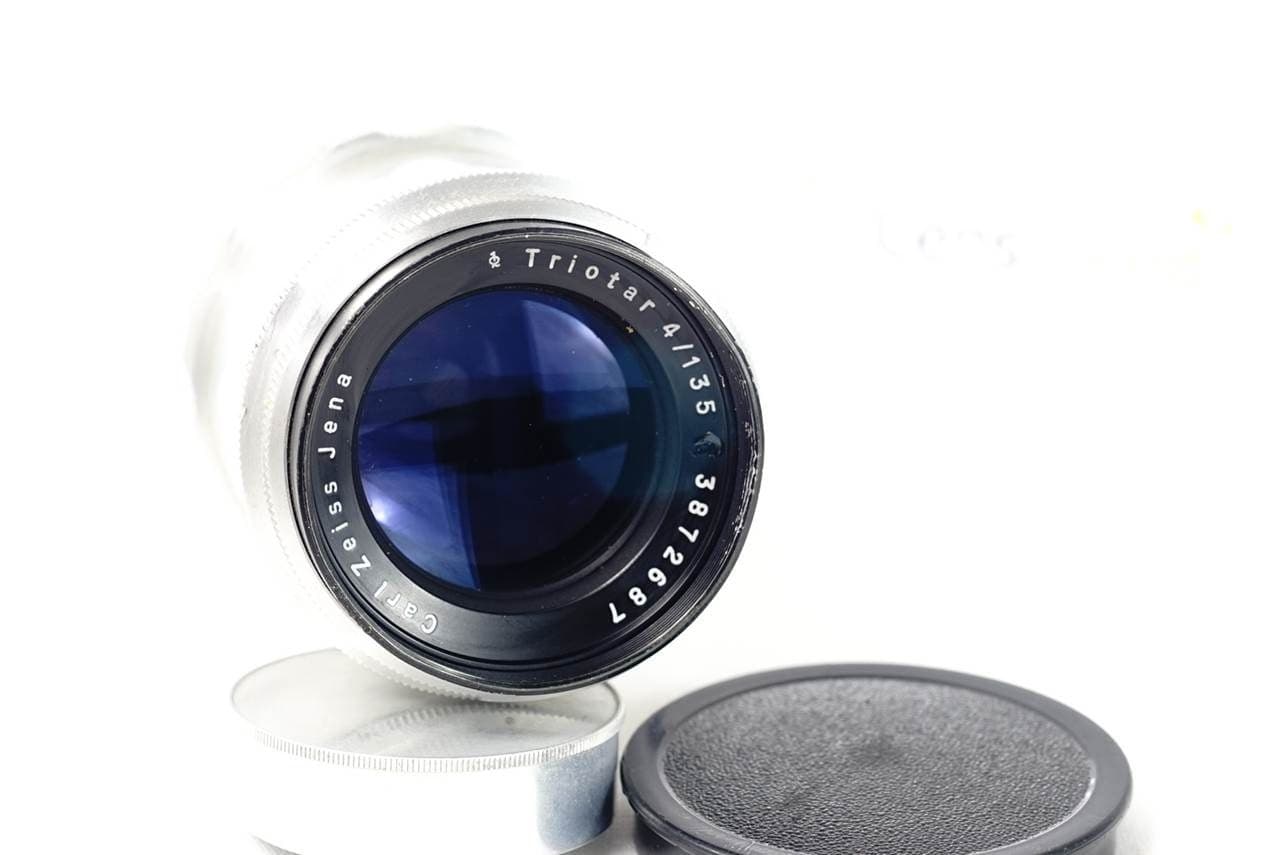
Carl Zeiss Jena Triotar 135mm f/4 เป็นเลนส์เทเลหลังสงครามจากหนึ่งในชื่อที่อยู่ในตำนานที่สุดของวงการออปติก สร้างบนสูตร Cooke triplet แบบคลาสสิกที่ Zeiss ตั้งแบรนด์ว่า 'Triotar' — การออกแบบสามชิ้นสามกลุ่มเรียบง่ายและประหยัดที่ Zeiss ใช้ในหลายระยะโฟกัส แหล่งข้อมูลระบุว่าการผลิตรุ่นเมาท์สกรู M42 ตัวนี้อยู่ในช่วง 1938–1953 คาบเกี่ยวกับยุคที่ Zeiss เริ่มใส่สารเคลือบกันสะท้อน; ตัวอย่างที่มีสารเคลือบจะมีตัวอักษรแดง 'T' บนด้านหน้า หมายถึงการเคลือบแบบ T ไม่ใช่ชื่อเล่นใด ๆ นอกจากเครื่องหมาย 'T' แล้ว รีวิวระบุชัดว่าเลนส์ไม่มีชื่อเล่นที่เป็นที่ยอมรับ ความนิยมของกลุ่มผู้ชื่นชอบเกิดจากการผสมผสานที่ไม่ธรรมดาสำหรับทริปเล็ตราคาประหยัด: นักวิจารณ์เรียกกันซ้ำๆ ว่าโดดเด่นเรื่องความคม ('คม คม คม') ชื่นชมการถ่ายทอดสี และชี้ให้เห็นไดอะแฟรมพรีเซ็ต 15 ใบที่มากเป็นพิเศษ ซึ่งทำให้รูรับแสงเกือบกลมและการละลายฉากหลังเรียบเนียน บวกกับตัวเรือนโลหะทั้งตัวที่ถูกบรรยายว่า 'indestructible' ทำให้ได้คลาสสิกที่ราคาจับต้องได้แต่ให้ผลลัพธ์เกินกว่าสูตรเลนส์เรียบง่าย — นี่แหละเป็นเหตุผลที่ผู้ที่ชอบทริปเล็ตและช่างภาพวินเทจตามหา
สรุป: Carl Zeiss Jena Triotar 135mm f/4 เหมาะกับช่างภาพที่ต้องการความคมแบบคลาสสิกของ Zeiss และโบเก้ที่สวยงามจากทริปเล็ตเรียบง่าย และไม่ติดที่จะต้องทำงานเพื่อได้ผลนั้น รูรับแสงพรีเซ็ต 15 ใบให้การละลายฉากหลังที่กลมเรียบ โทนสีเป็นที่ชื่นชอบ และความคมเพียงพอที่จะได้รับคำชมระดับห้าดาว — ทั้งหมดนี้มาในตัวเรือนโลหะแน่นหนา ข้อแลกเปลี่ยนคือการใช้งาน: เลนส์ใหญ่ หนัก พื้นผิวลื่น และโฟกัสช้า จึงเหมาะกับการถ่ายแบบตั้งใจและใจเย็นมากกว่าการถ่ายเร็วๆ หากคุณให้ความสำคัญกับการเรนเดอร์และคุณภาพการผลิตมากกว่าสะดวกสบาย จะได้เทเลที่ให้ความพึงพอใจและคาแรกเตอร์; หากคุณต้องการเลนส์ที่เบาและเร็ว ให้มองหาอย่างอื่น
โบเก้สวย นุ่มนวล โดยจุดไฮไลต์ยังคงเกือบเป็นวงกลมด้วยไดอะแฟรมพรีเซ็ตที่มีจำนวนสูงเป็นพิเศษ 15 ใบม่านรูรับแสง
การถ่ายทอดสีได้รับการยกย่อง เจ้าของหลายคนยกให้เป็นจุดแข็ง แม้จะไม่ชัดเจนว่าเป็นโทนอุ่นหรือโทนเย็น
ให้ความคมชัดเป็นพิเศษเมื่อเปิดกว้างสุด ('คม, คม, คม') ได้รับคะแนนด้านกระจกเลนส์ระดับห้าดาว และคะแนนความคมชัดจากผู้ใช้ประมาณ 4.67/5
ตามมาตรฐานปัจจุบันถือว่าคุณภาพไม่ดีนัก — มักพบ ghosting (ภาพเงาซ้อน), veiling haze (ภาพฟุ้ง/ลดคอนทราสต์), เงาดำไม่ลึก (lifted blacks) และไฮไลต์บาน (highlight bloom) ในฉากที่มีคอนทราสต์สูง
ไมโครคอนทราสต์ต่ำ ทำให้ภาพขาดความคมตัด และความเปรียบต่างโดยรวมจะลดลงในสภาพที่มีคอนทราสต์สูงหรือเมื่อมีแฟลร์
Carl Zeiss Jena Triotar 135mm f/4 เหมาะกับช่างภาพที่ต้องการความคมแบบคลาสสิกของ Zeiss และโบเก้ที่สวยงามจากทริปเล็ตเรียบง่าย และไม่ติดที่จะต้องทำงานเพื่อได้ผลนั้น รูรับแสงพรีเซ็ต 15 ใบให้การละลายฉากหลังที่กลมเรียบ โทนสีเป็นที่ชื่นชอบ และความคมเพียงพอที่จะได้รับคำชมระดับห้าดาว — ทั้งหมดนี้มาในตัวเรือนโลหะแน่นหนา ข้อแลกเปลี่ยนคือการใช้งาน: เลนส์ใหญ่ หนัก พื้นผิวลื่น และโฟกัสช้า จึงเหมาะกับการถ่ายแบบตั้งใจและใจเย็นมากกว่าการถ่ายเร็วๆ หากคุณให้ความสำคัญกับการเรนเดอร์และคุณภาพการผลิตมากกว่าสะดวกสบาย จะได้เทเลที่ให้ความพึงพอใจและคาแรกเตอร์; หากคุณต้องการเลนส์ที่เบาและเร็ว ให้มองหาอย่างอื่น