ปีผลิต
1975 – 1986
ผลิตที่
Japan
สูตรเลนส์
8 elements in 7 groups (main lens); macro adapter 3 elements in 3 groups.
อัปเดต
1 ก.ค. 2569
Canon FD (also available in M42, C/Y, SR, F, OM, Pentax K/KA). · 90mm · f/2.5
ปีผลิต
1975 – 1986
ผลิตที่
Japan
สูตรเลนส์
8 elements in 7 groups (main lens); macro adapter 3 elements in 3 groups.
อัปเดต
1 ก.ค. 2569
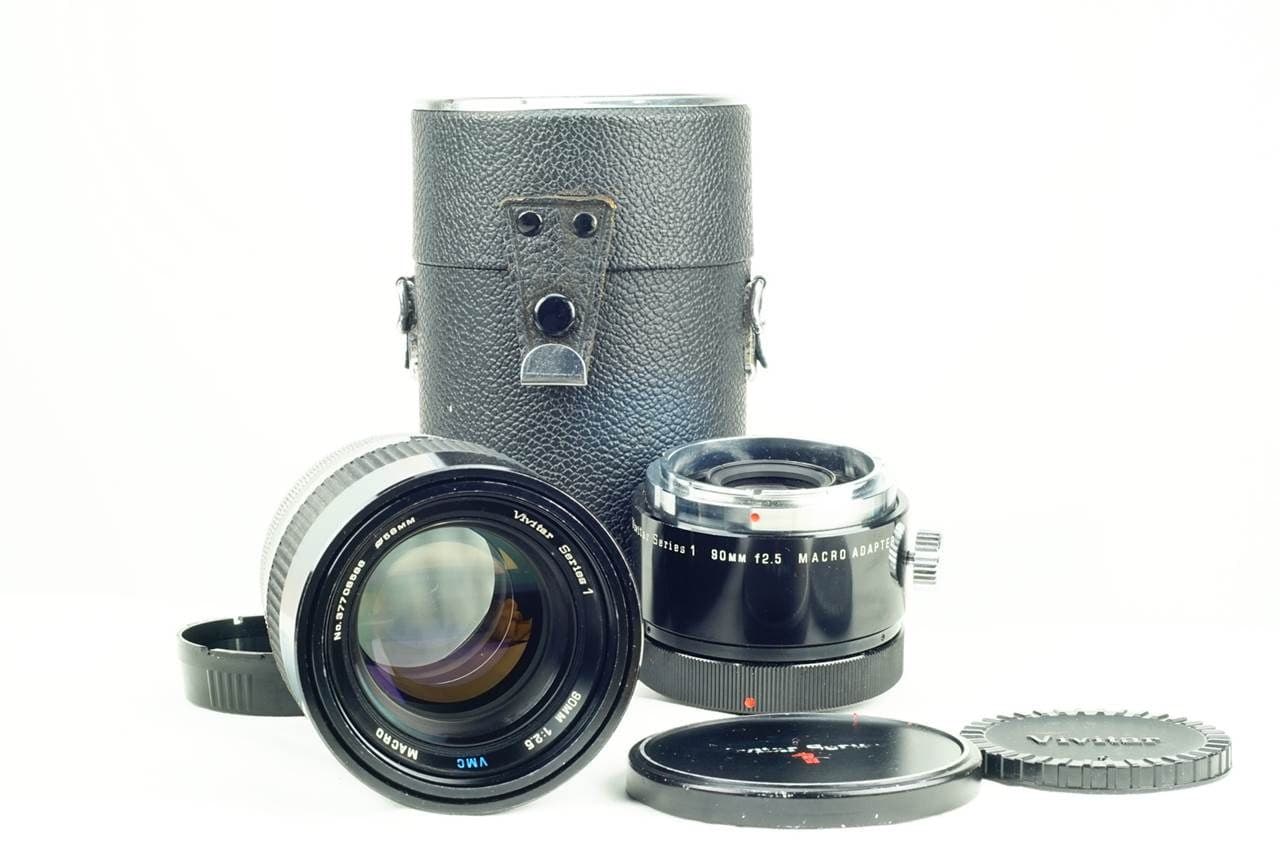
เลนส์ Vivitar Series 1 90mm f/2.5 มาโคร เกิดจากโครงการทะเยอทะยานในทศวรรษ 1970 โดย Vivitar บริษัทผู้ค้าปลีกอุปกรณ์ถ่ายภาพสัญชาติอเมริกันที่ขึ้นชื่อว่าไม่มีโรงงานของตัวเอง Vivitar จ้างวิศวกรออปติคอลที่มีความสามารถเพื่อออกแบบเลนส์ระดับท็อป และจ้างผลิตจริงให้กับผู้ผลิตญี่ปุ่นที่มีชื่อเสียง ในปี 1975 บริษัทสร้างความฮือฮาให้วงการด้วยชุด Vivitar Series 1 ซึ่งกล่าวกันว่าเป็นหนึ่งในเลนส์ชุดแรกที่ออกแบบโดยอาศัยคอมพิวเตอร์ขนาดใหญ่ที่สุดในยุคนั้น เลนส์ 90mm มาโคร ตัวนี้มีความคมมากจนอ้างอิงจากนิตยสาร Modern Photography ว่าเทียบชั้นกับ Leica Dual Range Summicron ในด้านความละเอียดสูงสุด รีวิวระบุผู้ผลิตสองรายที่แตกต่างกัน: รุ่นที่ผลิตโดย Tokina (รหัสซีเรียล 37xxxxx) ที่ได้รับการยกย่อง และรุ่นที่ผลิตโดย Komine (รหัสซีเรียล 28xxxxx) ซึ่งมีความคล้ายคลึงแต่ต่างกันในรายละเอียด หลังจาก Vivitar เสื่อมความนิยมในปี 1986 Tokina ได้รับช่วงการออกแบบและออกจำหน่ายใหม่ในชื่อ Tokina AT-X มาโคร 90mm f/2.5 ซึ่งได้รับฉายารักว่า 'Bokina' (มาจากการผสมคำระหว่าง Bokeh และ Tokina) สำหรับการให้โบเก้ที่สวยงาม การออกแบบกระจกเลนส์ทั้งสองใกล้เคียงกันมากจึงถือว่า Vivitar และ Tokina เป็นเลนส์แทบจะเหมือนกัน แตกต่างหลัก ๆ ที่สารเคลือบและรูปทรงของใบม่านรูรับแสง ความนิยมในกลุ่มนักสะสมมาจากการผสมผสานของความคมระดับตำนาน โบเก้ที่งดงาม และระยะโฟกัส 90mm ที่ใช้งานได้หลากหลาย ทั้งการโฟกัสใกล้แบบมาโครและเป็นทางเลือกที่คุ้มค่าสำหรับเลนส์พอร์ตเทรต 85mm หมายเหตุ: รีวิวเตือนชัดเจนว่า Vivitar 90mm f/2.8 มาโคร อีกตัวหนึ่งมีอยู่โดยไม่มีการเรียก 'Series 1' และเป็นเลนส์ที่ต่างกันอย่างสิ้นเชิง
สรุป: Vivitar Series 1 90mm f/2.5 มาโคร เป็นเลนส์มาโครและพอร์ตเทรตระดับตำนานที่ให้ทั้งความคมระดับอ้างอิงและโบเก้ที่สวยงาม ซึ่งสายตากลุ่มผู้ใช้ยกย่องว่าต่อสายตรงไปยังตำนาน 'Bokina' เหมาะสำหรับช่างภาพที่ต้องการเลนส์ตัวเดียวที่ใช้งานได้กว้างและให้ความคมระดับอ้างอิงพร้อมโบเก้ที่สวยงาม—สำหรับมาโคร ภาพใกล้ และพอร์ตเทรต ทั้งนี้ให้ระวังและตรวจสอบให้แน่ใจว่าได้รุ่น Series 1 ที่ผลิตโดย Tokina ของ f/2.5 แท้จริง ไม่ใช่รุ่น f/2.8 ที่ไม่เกี่ยวข้อง และเตรียมรับมือกับความคลาดสีและแฟลร์เมื่อถ่ายเข้าหาแหล่งแสง
ได้รับคำชมอย่างกว้างขวางในเรื่องการละลายฉากนอกระยะชัด (bokeh) ที่เรียบเนียนและมีเอกลักษณ์ จนทำให้รุ่นถัดมาถูกขนานนามว่า "Bokina"
ให้ความคมชัดเป็นเลิศ ถูกเรียกว่า "tack sharp" และในอดีตเคยเป็นคู่แข่งของ Leica Dual Range Summicron
เกิดการสูญเสียความเปรียบต่าง (veiling) เมื่อถ่ายตรงเข้าหาแหล่งกำเนิดแสง; พฤติกรรมของ ghosting ยังไม่ทราบ
อาจสูญเสียคอนทราสต์เมื่อถ่ายตรงเข้าหาแหล่งกำเนิดแสง; ลักษณะการให้ภาพโดยรวมของเลนส์ยังไม่เป็นที่ทราบ
Vivitar Series 1 90mm f/2.5 มาโคร เป็นเลนส์มาโครและพอร์ตเทรตระดับตำนานที่ให้ทั้งความคมระดับอ้างอิงและโบเก้ที่สวยงาม ซึ่งสายตากลุ่มผู้ใช้ยกย่องว่าต่อสายตรงไปยังตำนาน 'Bokina' เหมาะสำหรับช่างภาพที่ต้องการเลนส์ตัวเดียวที่ใช้งานได้กว้างและให้ความคมระดับอ้างอิงพร้อมโบเก้ที่สวยงาม—สำหรับมาโคร ภาพใกล้ และพอร์ตเทรต ทั้งนี้ให้ระวังและตรวจสอบให้แน่ใจว่าได้รุ่น Series 1 ที่ผลิตโดย Tokina ของ f/2.5 แท้จริง ไม่ใช่รุ่น f/2.8 ที่ไม่เกี่ยวข้อง และเตรียมรับมือกับความคลาดสีและแฟลร์เมื่อถ่ายเข้าหาแหล่งแสง