ปีผลิต
1950 – 1991
ผลิตที่
USSR (early versions may use German Zeiss glass)
สูตรเลนส์
4 elements in 3 groups, derived from Zeiss Sonnar 135mm f/4
อัปเดต
1 ก.ค. 2569
M42 (M39/LTM versions also exist) · 135mm · f/4
ปีผลิต
1950 – 1991
ผลิตที่
USSR (early versions may use German Zeiss glass)
สูตรเลนส์
4 elements in 3 groups, derived from Zeiss Sonnar 135mm f/4
อัปเดต
1 ก.ค. 2569
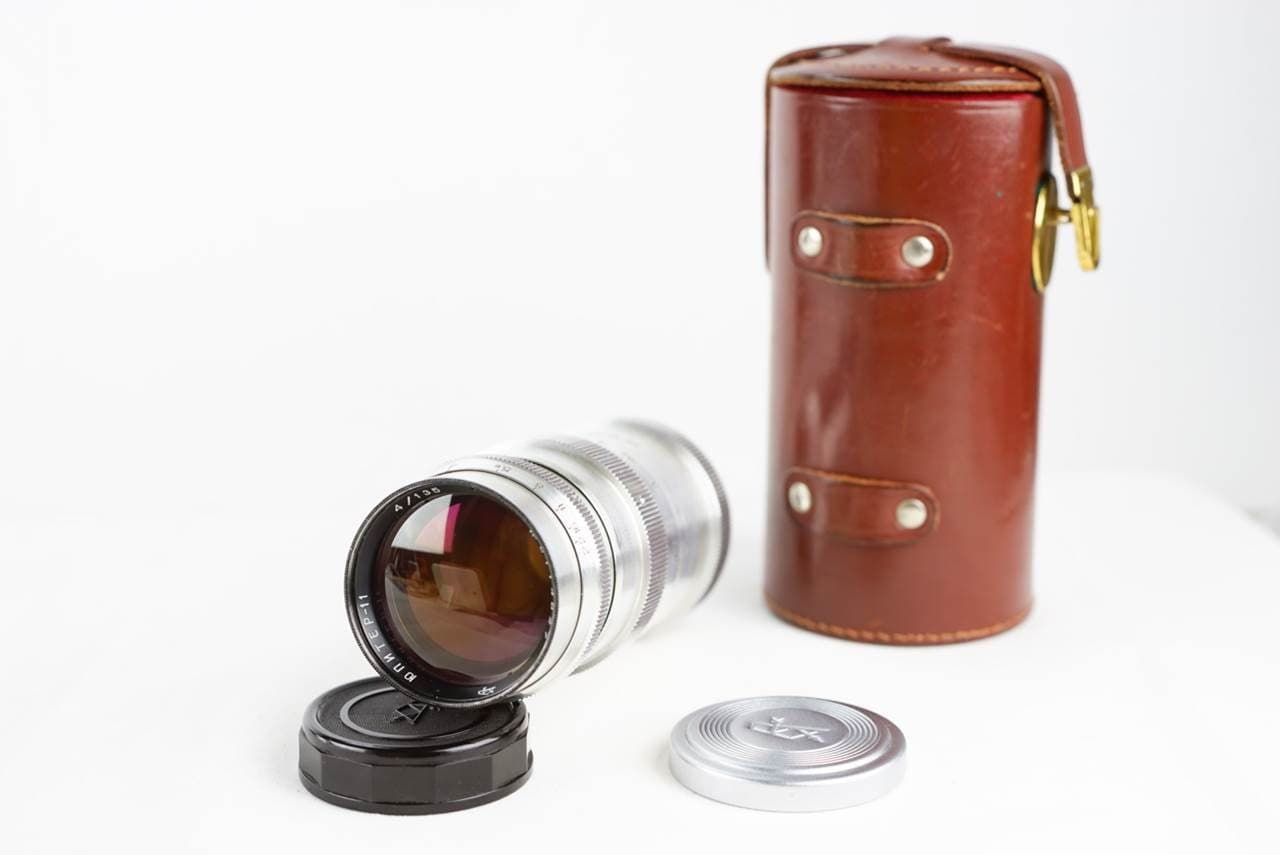
Jupiter-11 135mm f/4 เป็นเลนส์ระยะเทเลจากสหภาพโซเวียต ดัดแปลงมาจาก Zeiss Sonnar 135mm f/4 ของเยอรมนี อยู่ในตระกูลเลนส์ Jupiter ที่ลอกแบบและสานต่องานออกแบบของ Zeiss หลังสงครามโลกครั้งที่สอง ตามรีวิว รุ่นแรกๆ อาจใช้ชิ้นเลนส์ของ Zeiss ที่ผลิตในเยอรมนี ขณะที่รุ่นหลังอาจมีสารเคลือบต่างกัน ตัวเลนส์ผลิตเป็นเวลานาน ตัวอย่างที่รีวิวมีตั้งแต่ต้นทศวรรษ 1959 (รุ่นตัวถังอะลูมิเนียม) จนถึงปี 1991 (รหัสซีเรียลเข้ารหัสปีการผลิตไว้ในสองหลักแรก) รุ่น M42 ที่ผู้รีวิวคนหนึ่งกล่าวถึงทำจากทองเหลืองและหนักกว่ารุ่นตัวถังอะลูมิเนียมอย่างเห็นได้ชัด เลนส์นี้มีฐานผู้คลั่งไคล้เนื่องจากราคาถูก (เริ่มประมาณ $45 ใน eBay) แต่สามารถให้ภาพที่ยอดเยี่ยมพร้อมโบเก้สวยงามที่ระยะโฟกัสยาว ผู้รีวิวคนหนึ่งสรุปเสน่ห์ของมันว่าเขาไม่ได้ถ่ายแผ่นทดสอบหรือตึกอิฐ แต่ถ่ายชีวิตประจำวัน ไม่มีชื่อเล่นที่เป็นทางการปรากฏในรีวิว
สรุป: Jupiter-11 135mm f/4 เป็นระยะเทเลพื้นฐานจากตระกูล Sonnar ที่คุ้มค่าสมราคา ให้ผลตอบแทนกับผู้ที่อดทนด้วยภาพที่คมและโบเก้นุ่มสวย เหมาะสำหรับการถ่ายภาพบุคคล ธรรมชาติ และงานระยะเทเล โดยเฉพาะบนกล้องดิจิตอลมิเรอร์เลส จุดอ่อนคือการต้านทานแฟลร์ที่แย่มาก จึงควรใช้ฮู๊ดและจัดการแสงอย่างระมัดระวัง สำหรับช่างภาพที่ต้องการเสน่ยวินเทจในงบจำกัดและยอมรับจุดบกพร่อง เลนส์นี้เป็นสมบัติที่ประเมินค่าต่ำไป
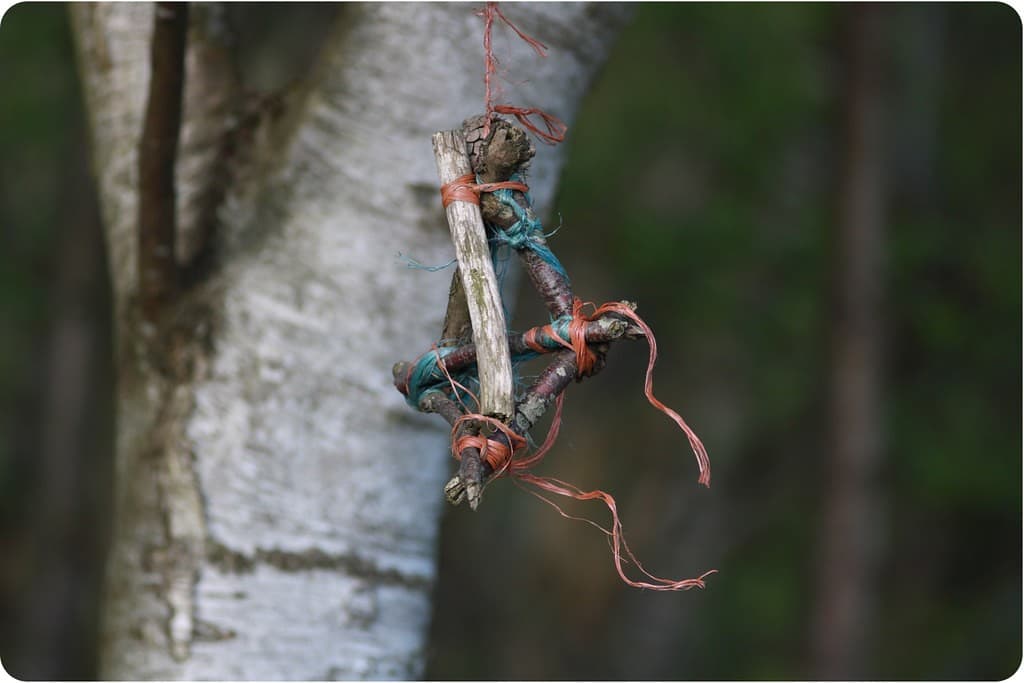
โบเก้สวย นุ่ม และครีมมี่ ให้การละลายฉากหลังอย่างเหลือเฟือแม้ที่ f/4 เนื่องจากทางยาวโฟกัส 135 มม. โดยไม่มีเอฟเฟกต์แบบหมุนหรือแบบเป็นฟอง
ให้ภาพสีที่สวยงามเป็นอย่างยิ่ง แต่ยังไม่ทราบว่าเอนเอียงไปทางโทนอุ่นหรือโทนเย็น
ให้ความคมทั่วเฟรมค่อนข้างดีแม้จะใช้ที่รูรับแสงกว้างสุด โดยมีสำเนาบางตัวที่ตัวเรือนเป็นทองเหลืองถูกกล่าวถึงว่าคมกริบถึงมุมภาพสุดขอบ
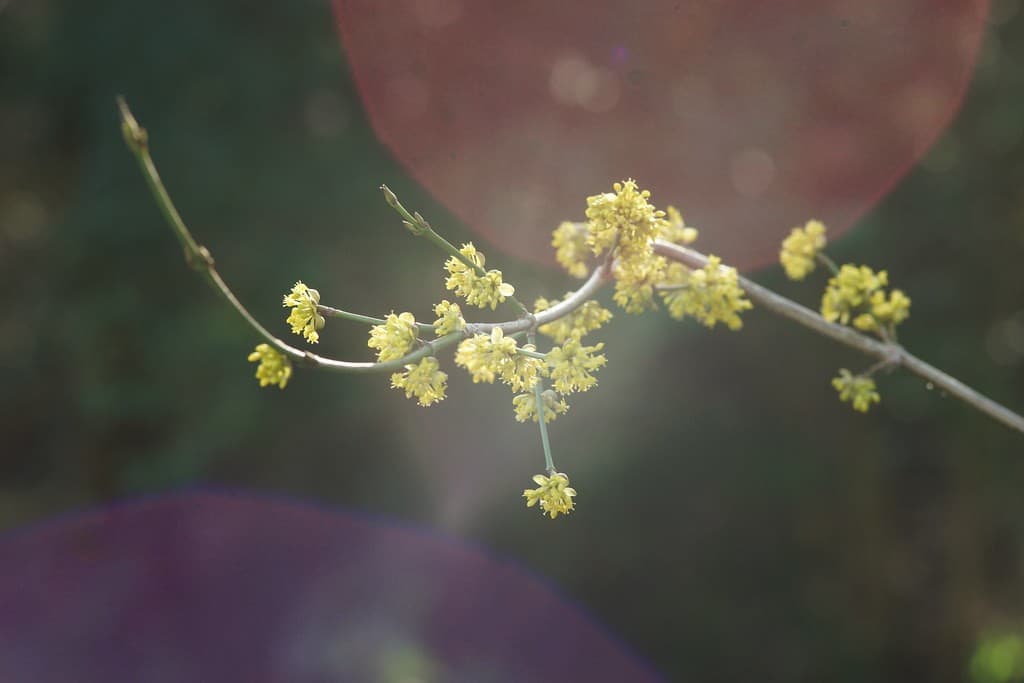
เป็นหนึ่งในการแสดงอาการแฟลร์ที่แย่ที่สุดที่พบ โดยเกิด veiling flare อย่างรุนแรงแม้ในวันที่ฟ้าครึ้ม
ความเปรียบต่างอยู่ในระดับดีและจะดีขึ้นที่ f/5.6 แต่สามารถถูกลดทอนอย่างรุนแรงโดย veiling flare เมื่อถ่ายในสภาพแสงจ้าหรือย้อนแสง
มุมสุดขอบภาพมืดลงอย่างมีนัยสำคัญที่ค่า f/4 และ f/5.6 แต่ปัญหานี้จะลดลงเมื่อหรี่รูรับแสงลงอีก (ลด vignetting)
Jupiter-11 135mm f/4 เป็นระยะเทเลพื้นฐานจากตระกูล Sonnar ที่คุ้มค่าสมราคา ให้ผลตอบแทนกับผู้ที่อดทนด้วยภาพที่คมและโบเก้นุ่มสวย เหมาะสำหรับการถ่ายภาพบุคคล ธรรมชาติ และงานระยะเทเล โดยเฉพาะบนกล้องดิจิตอลมิเรอร์เลส จุดอ่อนคือการต้านทานแฟลร์ที่แย่มาก จึงควรใช้ฮู๊ดและจัดการแสงอย่างระมัดระวัง สำหรับช่างภาพที่ต้องการเสน่ยวินเทจในงบจำกัดและยอมรับจุดบกพร่อง เลนส์นี้เป็นสมบัติที่ประเมินค่าต่ำไป