ปีผลิต
1959 – 2005
ผลิตที่
Japan
สูตรเลนส์
5 elements in 4 groups
อัปเดต
1 ก.ค. 2569
Nikon AI · 105mm · f/2.5
ปีผลิต
1959 – 2005
ผลิตที่
Japan
สูตรเลนส์
5 elements in 4 groups
อัปเดต
1 ก.ค. 2569
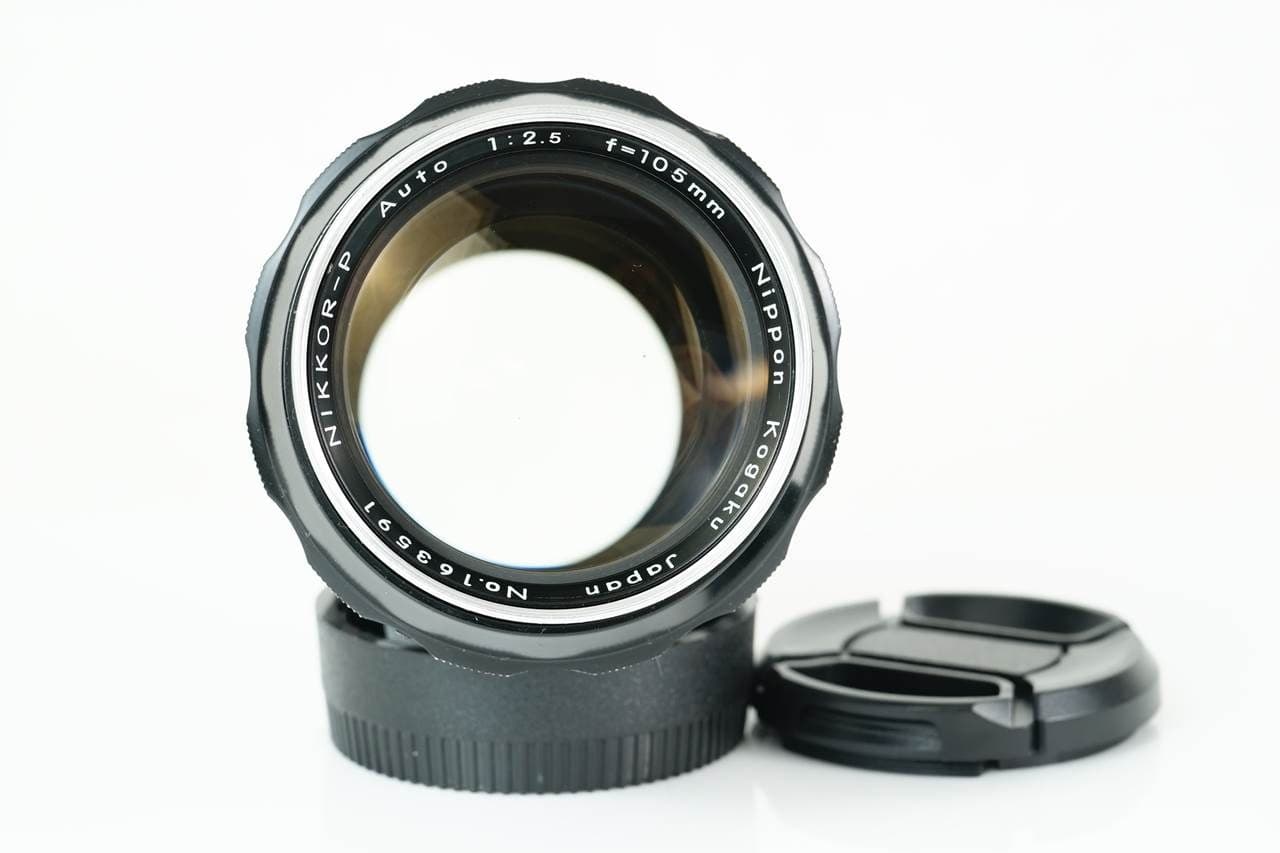
Nikon 105mm f/2.5 เป็นหนึ่งในเลนส์ไพรม์ระยะเทเลที่มีประวัติและเรื่องเล่าโดดเด่นที่สุดที่เคยผลิตมา Nikon ผลิตเวอร์ชันเลนส์ไพรม์ระยะ 105mm ที่รูรับแสงกว้างระหว่างปี 1959 ถึง 2005 ครอบคลุมตั้งแต่ Nikkor-P ยุคแรก (การออกแบบ 5 ชิ้นเลนส์) ไปจนถึงรุ่น AI-S ที่รีวิวที่นี่ เลนส์ตัวนี้ได้รับความนิยมจากช่างภาพ โดยเฉพาะช่างภาพข่าว ตั้งแต่ปลายทศวรรษ 1950 จนถึงทศวรรษ 1990 ก่อนที่เลนส์ซูมออโต้โฟกัส 80-200mm f/2.8 และภายหลัง 70-200mm f/2.8 จะกลายเป็นมาตรฐานของมืออาชีพและทำให้มันหายไปจากกระเป๋าทำงาน สถานะระดับตำนานของมันถูกตอกย้ำโดยประวัติศาสตร์: Steve McCurry ใช้ 105mm f/2.5 ถ่ายภาพอันไอคอนิกที่รู้จักกันในชื่อ 'Afghan Girl' ซึ่งปรากฏบนปก National Geographic เดือนมิถุนายน 1985 เลนส์นี้สร้างฐานแฟนคลับบางส่วนเพราะ, ตามที่นักวิจารณ์คนหนึ่งกล่าว, 'เป็นที่รู้จักเรื่องโบเก้ก่อนที่คนส่วนใหญ่จะรู้ว่าโบเก้มีชื่อเรียก' ผู้คนชื่นชอบมันเพราะตัวเลนส์มีขนาดกะทัดรัด ผลิตจากโลหะทั้งชิ้นคุณภาพการผลิตดี การประสบการณ์การโฟกัสแบบมือหมุนที่ให้ความรู้สึกคุ้มค่าและ 'ทำให้คุณคิด ทำให้คุณฉลาด' และการให้ภาพที่นักวิจารณ์อธิบายว่า คมในแบบคลินิกแต่ยังคงมีคาแรกเตอร์เมื่อเปิดกว้างสุด ไม่มีฉายานิยมใดที่ปรากฏชัดจากรีวิวเหล่านี้
สรุป: Nikon 105mm f/2.5 เป็นคลาสสิกสำหรับการถ่ายภาพบุคคลและเทเลระยะสั้นสำหรับช่างภาพที่ต้องการความคมระดับสมัยใหม่ควบคู่กับโบเก้ที่นุ่มและมีคาแรกเตอร์แท้จริง ขนาดกะทัดรัด ทนทาน มีความสำคัญทางประวัติศาสตร์ และหาซื้อได้ทั่วไปในราคาย่อมเยา เหมาะอย่างยิ่งสำหรับคนที่คุ้นเคยกับการโฟกัสแบบมือหมุนและต้องการความยาวเกินกว่า 50mm พร้อมการแยกวัตถุที่สวยงาม
จุดแข็งที่โดดเด่นคือโบเก้ (bokeh) ที่ให้ลักษณะ 'มหัศจรรย์' เนียนนุ่ม พร้อมการไล่ความเบลอแบบขอบนุ่ม (feathered falloff) ทั้งด้านหน้าและด้านหลังของตัวแบบ โดยไม่เกิดเอฟเฟกต์โบเก้แบบหมุน (swirl) หรือแบบเป็นฟอง (bubble artifacts)
ให้ความคมชัดสูงเทียบเท่าออปติกสมัยใหม่ — ใช้งานได้แม้เปิดที่ f/2.5 และยิ่งหรี่รูรับแสงก็จะคมขึ้นอย่างต่อเนื่อง โดยมุมภาพคมชัดตั้งแต่ f/5.6
พบแสงตก (vignetting) ที่รูรับแสง f/2.5–f/4 แต่จะหายไปเมื่อปิดรูรับแสงเป็น f/5.6 โดยมุมภาพมีความคม
Nikon 105mm f/2.5 เป็นคลาสสิกสำหรับการถ่ายภาพบุคคลและเทเลระยะสั้นสำหรับช่างภาพที่ต้องการความคมระดับสมัยใหม่ควบคู่กับโบเก้ที่นุ่มและมีคาแรกเตอร์แท้จริง ขนาดกะทัดรัด ทนทาน มีความสำคัญทางประวัติศาสตร์ และหาซื้อได้ทั่วไปในราคาย่อมเยา เหมาะอย่างยิ่งสำหรับคนที่คุ้นเคยกับการโฟกัสแบบมือหมุนและต้องการความยาวเกินกว่า 50mm พร้อมการแยกวัตถุที่สวยงาม