ปีผลิต
-
ผลิตที่
-
สูตรเลนส์
-
อัปเดต
16 ก.ค. 2569
Minolta MD · 70mm · f/2.8
ปีผลิต
-
ผลิตที่
-
สูตรเลนส์
-
อัปเดต
16 ก.ค. 2569
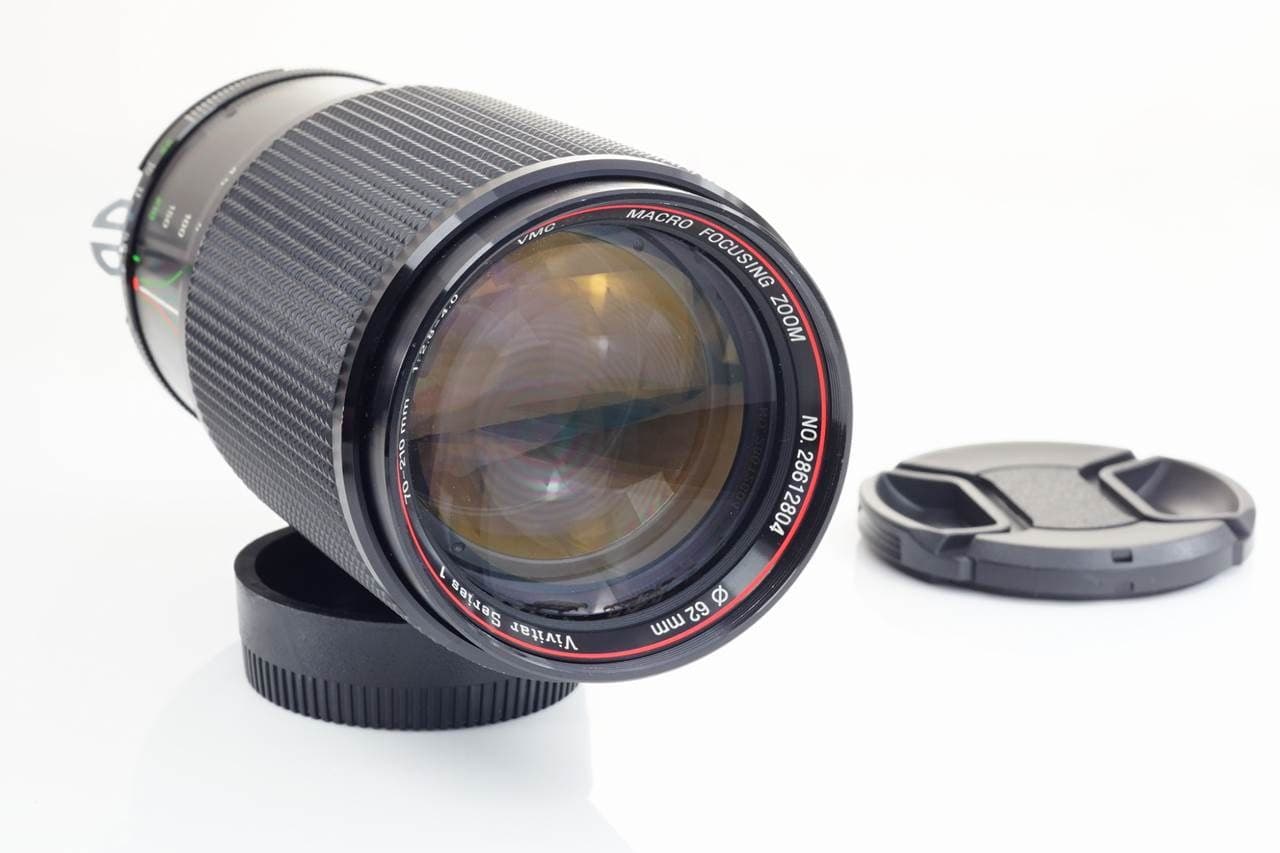
สายผลิตภัณฑ์ Vivitar Series 1 เป็นระดับพรีเมียมของ Vivitar เกิดขึ้นในทศวรรษ 1970 เพื่อเป็นเวทีโชว์ชิ้นงานออปติกประสิทธิภาพสูงที่ตั้งใจแข่งกับ — และในบางกรณีก็เหนือกว่า — เลนส์จากผู้ผลิตกล้องในยุคนั้น แทนที่จะผลิตเลนส์เอง Vivitar จ้างโรงงานออปติกญี่ปุ่นที่มีชื่อเสียงผลัดเปลี่ยนกันผลิต และเลนส์ซูมระยะเทเล 70-210mm ก็กลายเป็นตัวอย่างสำคัญของยุทธศาสตร์นี้ จากรีวิวต่างๆ มีอย่างน้อยห้ารุ่นของเลนส์นี้ ซึ่งแยกแยะได้ชัดเจนที่สุดจากสองตัวแรกของรหัสซีเรียล รุ่นดั้งเดิมกลางทศวรรษ 70 ผลิตโดยตำนาน Kiron (ซีเรียลขึ้นต้นด้วย 22) มีรูรับแสงคงที่ F3.5 ตลอดช่วงทางยาวโฟกัส ให้ความสามารถมาโครใกล้สุดที่น่าประทับใจ 1:2.2 และเป็นรุ่นที่มีน้ำหนักมากที่สุดในกลุ่ม รุ่นที่สองมาจาก Tokina (ซีเรียลขึ้นต้นด้วย 37) ซึ่งมีขนาดเล็กและเบากว่าแต่ลดความสามารถมาโครลงเป็น 1:4 รุ่นที่สามผลิตโดย Komine (ซีเรียลขึ้นต้นด้วย 28) แนะนำรูรับแสงแบบแปรผัน F2.8-4.0 ปรับปรุงมาโครเป็น 1:2.5 และเป็นที่ยอมรับอย่างกว้างขวางว่าให้ภาพคมที่สุด รุ่นที่สี่และสุดท้ายที่พบได้บ่อยผลิตโดย Cosina (ซีเรียลขึ้นต้นด้วย 09) เก็บความสามารถมาโครไว้ที่ 1:2.5 แต่มีรายงานว่า คุณภาพการผลิตลดลงและวงแหวนโฟกัสจับไม่กระชับเท่ารุ่นเก่าๆ สามรุ่นแรก (22, 28, 37) โดยทั่วไปถือว่าเป็นรุ่นที่ดีที่สุด ไม่มีชื่อเล่นเดียวที่ยอมรับกันทั่วไปสำหรับ 70-210mm แต่มีผู้วิจารณ์คนหนึ่งเปรียบเทียบกับ Tokina AT-X 90mm มาโคร ที่มีฉายาโด่งดังว่า 'Bokina' เลนส์ตัวนี้มีฐานแฟนคลับเฉพาะทางเพราะฟังก์ชันมาโครที่ใช้งานได้จริง การให้โทนและคาแรคเตอร์ภาพที่โดดเด่น และสถานะเป็นเลนส์ซูมมือหมุนที่เข้าถึงได้และให้คุณค่าดี
สรุป: Vivitar Series 1 70-210mm เป็นเลนส์ซูมระยะเทเลมือหมุนที่ใช้งานได้หลากหลายและมีคาแรคเตอร์ โดยบุคลิกภาพจะแตกต่างขึ้นกับรุ่นที่คุณเจอ ผู้ที่ต้องการออปติกดีที่สุดควรหา Kiron (22), Komine (28) หรือ Tokina (37) โดย Komine ถูกยกให้คมที่สุด รุ่น Cosina (09) แลกความคมและคุณภาพการผลิตบางส่วนเพื่อได้ลุคนุ่มและคอนทราสต์ต่ำที่ช่างภาพบางคนชื่นชอบ ด้วยความสามารถมาโครที่ใช้งานได้จริงและการเรนเดอร์ที่เด่น มันเป็นตัวเลือกที่ให้คุณค่าดีสำหรับช่างภาพและผู้ทำวิดีโอสายวินเทจที่ยอมรับความแตกต่างระหว่างรุ่น — แต่อย่าคาดหวังว่าโบเก้จะสม่ำเสมอเท่าเลนส์ไพรม์ระยะเทเลเฉพาะทาง
ความคิดเห็นในรีวิวแตกต่างกันไป — บางคนชมว่าให้โบเก้และการเกลี่ยสีที่เรียบลื่นและยอดเยี่ยม ในขณะที่บางคนมองว่าภาพดูรกรุงรังและเบลอเป็นแพ ขึ้นอยู่กับเวอร์ชัน/รุ่นของเลนส์.
ความคมชัดบริเวณกลางภาพดีตั้งแต่รูรับแสงกว้างสุดจนถึง f/16 ในรุ่นที่ให้คุณภาพดีกว่า. เวอร์ชัน Komine (28) ให้ความคมชัดมากที่สุด ขณะที่เวอร์ชัน Cosina (09) เมื่ อเปิดกว้างสุดจะค่อนข้างนุ่มและมีอาการฟุ้ง (blooming).
รุ่นที่ผลิตโดย Cosina ให้ภาพคอนทราสต์ต่ำและลุคที่นุ่มเมื่อเปิดรูรับแสงกว้างสุด ขณะที่รุ่นที่ดีกว่านั้นให้คอนทราสต์โดยรวมที่น่าพอใจ
Vivitar Series 1 70-210mm เป็นเลนส์ซูมระยะเทเลมือหมุนที่ใช้งานได้หลากหลายและมีคาแรคเตอร์ โดยบุคลิกภาพจะแตกต่างขึ้นกับรุ่นที่คุณเจอ ผู้ที่ต้องการออปติกดีที่สุดควรหา Kiron (22), Komine (28) หรือ Tokina (37) โดย Komine ถูกยกให้คมที่สุด รุ่น Cosina (09) แลกความคมและคุณภาพการผลิตบางส่วนเพื่อได้ลุคนุ่มและคอนทราสต์ต่ำที่ช่างภาพบางคนชื่นชอบ ด้วยความสามารถมาโครที่ใช้งานได้จริงและการเรนเดอร์ที่เด่น มันเป็นตัวเลือกที่ให้คุณค่าดีสำหรับช่างภาพและผู้ทำวิดีโอสายวินเทจที่ยอมรับความแตกต่างระหว่างรุ่น — แต่อย่าคาดหวังว่าโบเก้จะสม่ำเสมอเท่าเลนส์ไพรม์ระยะเทเลเฉพาะทาง