ปีผลิต
1958 – 1967
ผลิตที่
Japan
สูตรเลนส์
6 elements in 5 groups
อัปเดต
16 ก.ค. 2569
Minolta SR · 55mm · f/2
ปีผลิต
1958 – 1967
ผลิตที่
Japan
สูตรเลนส์
6 elements in 5 groups
อัปเดต
16 ก.ค. 2569
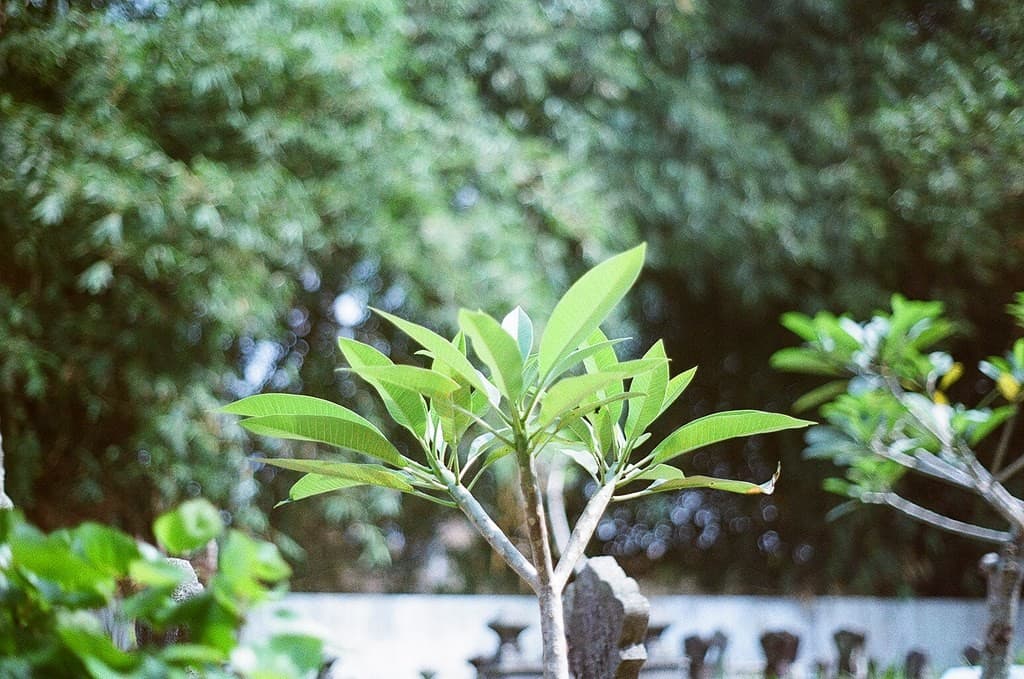
The Rokkor-PF เป็นหนึ่งในตระกูลเลนส์มาตรฐานสำคัญจาก Minolta ผู้ผลิตญี่ปุ่น (ก่อตั้ง 1928 ฝ่ายกล้องทำงานจนถึงที่ Sony เข้าซื้อกิจการใน 2003) ซึ่งเป็นหนึ่งในบ้านงานกระจกเลนส์ที่มีนวัตกรรมมากที่สุดของศตวรรษที่ 20 — เป็นเจ้าแรกที่มีการวัดแสงแบบ TTL บน SR-T, เป็นผู้ใช้การออกแบบเลนส์ด้วยคอมพิวเตอร์ตั้งแต่ยุคแรกๆ, และเป็นบริษัทที่มีชื่อเสียงจนเกิดความร่วมมือที่มีเอกสารชัดเจนกับ Leica. 'PF' เป็นรหัสการก่อสร้างในยุคของ Minolta ไม่ได้เป็นการอ้างว่าสารเคลือบ: P = Penta (ห้า กลุ่ม) และ F = Six (6 ชิ้นเลนส์) ดังนั้นทุก Rokkor-PF จึงเป็นการออกแบบคลาสสิกแบบ 6 ชิ้นเลนส์ใน 5 กลุ่ม. โปรดสังเกตว่า บนเลนส์ที่มีสัญลักษณ์ 'MC' ตัวอักษร 'MC' ก็หมายถึง 'Meter Coupled' (ส่งค่า รูรับแสง ที่ตั้งไปยังมิเตอร์ของกล้อง) ไม่ได้หมายถึง multi-coating. คำนำนี้ครอบคลุมหลายระยะโฟกัส — Auto Rokkor-PF 55mm f/2 (เปิดตัว 1958 มีสี่เวอร์ชัน), MC Rokkor-PF 58mm f/1.4 (MC I จาก 1966, MC II จาก 1969), และ MC Rokkor-PF 100mm f/2.5 (1969) ล้วนใช้รหัสนี้. โดยเฉพาะ 58mm f/1.4 ถูกบรรยายว่าเป็นชิ้นกระจกในตำนานในกลุ่มผู้ชื่นชอบเลนส์มือหมุนและถูกเรียกในบางครั้งว่า 'ราชาโบเก้' ของยุค เป็นที่รักเพราะลักษณะฟุ้งฝันเมื่อเปิดกว้างสุดที่เข้มขึ้นเป็นเลนส์ที่คมพอประมาณเมื่อหรี่รูรับแสง. เรื่องเล่าที่เป็นประโยชน์: แตกต่างจาก 58mm ที่เร็วกว่า f/1.2 (ซึ่งมีความเป็นกัมมันตรังสี) และการออกแบบ 58mm บางรุ่นจากคู่แข่ง Rokkor-PF f/1.4 ไม่ได้ใช้ชิ้นเลนส์ธอเรียม ดังนั้นจึงไม่เสี่ยงต่อการเหลืองของกระจกที่เป็นปัญหาของเลนส์เหล่านั้น. การติดตามอย่างลัทธิของรุ่นนี้ตั้งอยู่บนการผสมผสานของการให้ภาพที่เล่าขาน, การผลิตโลหะทั้งตัวแบบแข็งแรง, และราคามือสองที่ถูกมากเมื่อเทียบกับบุคลิกภาพที่ให้.
สรุป: นี่คือตระกูลที่ให้คุณค่าด้านบุคลิกภาพก่อนความละเอียดเชิงคลินิกสำหรับช่างภาพที่ให้ความสำคัญกับอารมณ์: ถ่ายที่เปิดกว้างสุดจะได้ลุคฟุ้งฝัน คอนทราสต์ต่ำ ที่ทำให้ 58mm f/1.4 เป็นตำนาน 'ราชาโบเก้' จากนั้นเมื่อหรี่รูรับแสงมันกลายเป็นเลนส์มาตรฐานที่มีความสามารถและให้รายละเอียดจริงจัง. จะทำให้หงุดหงิดสำหรับผู้ที่ตามหาความคมครอบมุมถึงมุมหรือคอนทราสต์สูงในงบประหยัด แต่สำหรับผู้ที่ต้องการของสะสมโลหะทั้งตัวที่ผลิตได้สวยงาม ราคามือสองไม่แพง และมีบุคลิกภาพจากภาพซอฟต์สู่คมที่โดดเด่น Rokkor-PF ให้ความสุข.
เวอร์ชันที่ทดสอบซึ่งเป็นแบบ 6 ใบมีใบม่านรูรับแสงโค้งเล็กน้อย; ไม่พบลักษณะเป็นฟองหรือโบเก้วน
ไม่ได้ระบุรายละเอียดการเรนเดอร์สี; เลนส์ไม่มีชิ้นแก้วที่มีทอเรียม จึงไม่เกิดการเปลี่ยนเป็นสีเหลืองที่พบในเลนส์วินเทจบางรุ่นที่มีความเป็นกัมมันตรังสี.
กลางภาพค่อนข้างดีและบริเวณกลางเฟรมดีเมื่อเปิดกว้างสุด โดยมีเพียงมุมสุดที่ภาพซอฟต์ เมื่อหรี่รูรับแสงเป็น f/2.8 กลางภาพจะดีมากและบริเวณกลางเฟรมจะดีมาก แต่มุมยังคงตามไม่ทันจนกว่าจะหรี่ลงเพิ่มเติม
คอนทราสต์โดยรวมต่ำเมื่อเปิดกว้างสุด ดีขึ้นเมื่อหรี่รูรับแสงแต่ไม่เคยโดดเด่นอย่างแท้จริง
มีขอบดำปานกลางเมื่อเปิดกว้างสุด (~1.9EV ที่ f/2), ประมาณ ~0.9EV ที่ f/2.8 และ ~0.4EV ที่ f/4 ถือว่าเฉลี่ยสำหรับเลนส์มาตรฐาน
นี่คือตระกูลที่ให้คุณค่าด้านบุคลิกภาพก่อนความละเอียดเชิงคลินิกสำหรับช่างภาพที่ให้ความสำคัญกับอารมณ์: ถ่ายที่เปิดกว้างสุดจะได้ลุคฟุ้งฝัน คอนทราสต์ต่ำ ที่ทำให้ 58mm f/1.4 เป็นตำนาน 'ราชาโบเก้' จากนั้นเมื่อหรี่รูรับแสงมันกลายเป็นเลนส์มาตรฐานที่มีความสามารถและให้รายละเอียดจริงจัง. จะทำให้หงุดหงิดสำหรับผู้ที่ตามหาความคมครอบมุมถึงมุมหรือคอนทราสต์สูงในงบประหยัด แต่สำหรับผู้ที่ต้องการของสะสมโลหะทั้งตัวที่ผลิตได้สวยงาม ราคามือสองไม่แพง และมีบุคลิกภาพจากภาพซอฟต์สู่คมที่โดดเด่น Rokkor-PF ให้ความสุข.