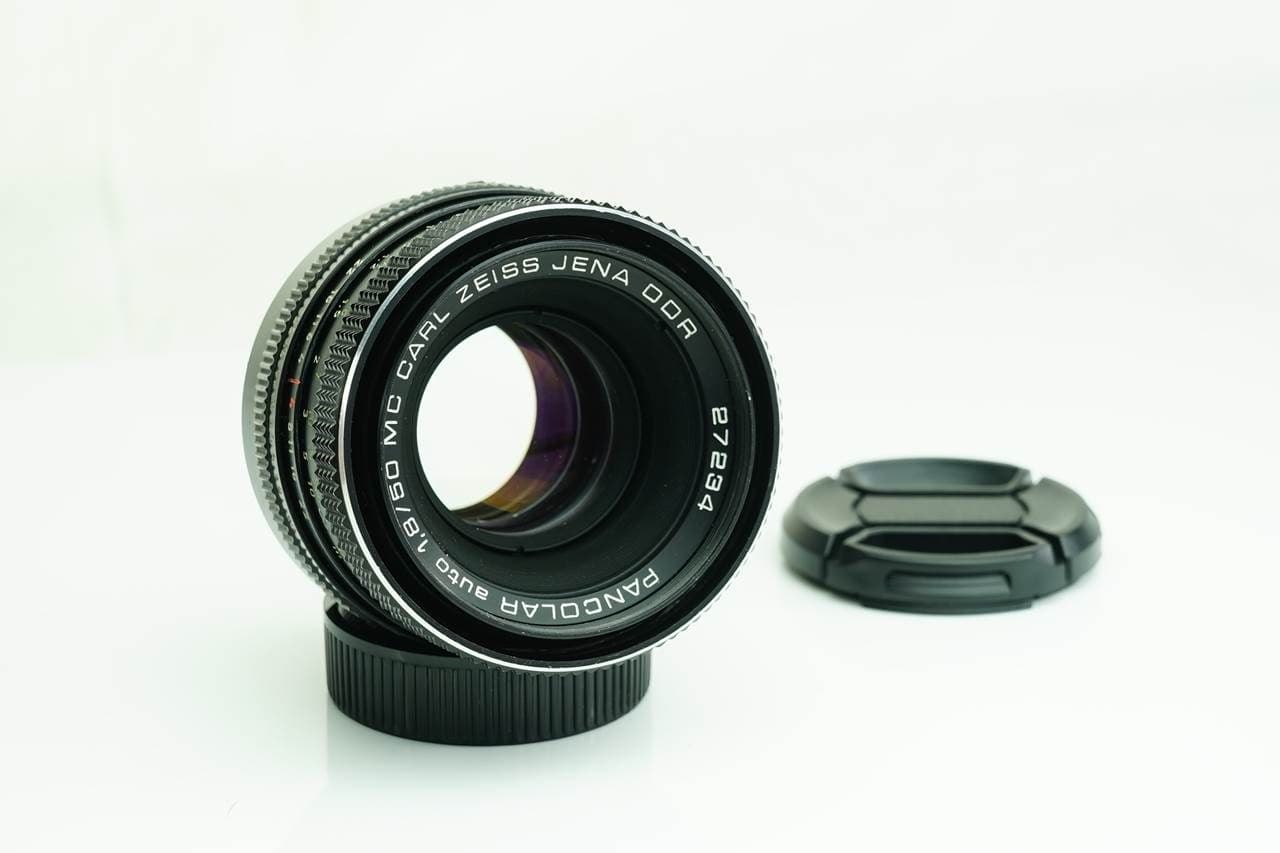
ปีผลิต
1964 – 1990
ผลิตที่
East Germany
สูตรเลนส์
6 elements in 5 groups (early versions 6 elements in 4 groups), Double Gauss origin.
อัปเดต
1 ก.ค. 2569
M42 (also Exakta and rare Praktica B-mount) · 50mm · f/1.8
ปีผลิต
1964 – 1990
ผลิตที่
East Germany
สูตรเลนส์
6 elements in 5 groups (early versions 6 elements in 4 groups), Double Gauss origin.
อัปเดต
1 ก.ค. 2569
Carl Zeiss Jena Pancolar 50mm f/1.8 สืบสายตระกูลกลับไปถึงปี 1960 เมื่อ Zeiss Jena ออกแบบ Pancolar 50mm รุ่นแรกที่ f/2 เพื่อเป็นทางเลือกที่ไวกว่าและให้ประสิทธิภาพดีกว่า Tessar 50mm f/2.8 เมื่อผู้ผลิตญี่ปุ่นเริ่มออกเลนส์มาตรฐาน f/1.8 Zeiss จึงตอบโต้ด้วย Pancolar 50mm f/1.8 ที่ออกแบบและเริ่มผลิตตั้งแต่ 1964 ซึ่งถือเป็นหนึ่งในเลนส์ที่ดีที่สุดของยุค ผลิตที่เยอรมนีตะวันออกและผลิตต่อเนื่องถึงทศวรรษ 1980 (แหล่งข้อมูลระบุช่วงสิ้นสุดตั้งแต่ 1982 ถึง 1990) รุ่นแรก (ก่อน 1967 จนถึงรหัสซีเรียล ~8552600) ใช้การออกแบบ Double Gauss แบบ 6 ชิ้นเลนส์ 4 กลุ่ม โดยใช้แก้ว thorium/lanthanum ที่มีดัชนีหักเหสูง ซึ่งมีการแผ่รังสีอ่อนและอาจเหลืองหรือขุ่นเล็กน้อยเมื่อเวลาผ่านไป — รุ่นเหล่านี้มักถูกเรียกโดยย่อว่าเป็นรุ่น 'มีรังสี' หรือรุ่น thorium เวอร์ชันหลังๆ ใช้แก้วที่ปลอดภัยกว่าและนิ่งกว่า และปรับปรุงเป็นสูตรแบบ 6 ชิ้นเลนส์ 5 กลุ่ม เลนส์มีชื่อเสียงด้านรุ่นลายม้าลายที่ให้ผิวนอกแบบ single-coated และรุ่นสีดำทั้งตัวแบบ multi-coated (MC) ในภายหลัง ถูกยกย่องเป็น 'cult classic' และยังคงได้รับความนิยมจากผู้ใช้ที่ชื่นชอบ เนื่องจากความคม คอนทราสต์ และการเรนเดอร์สีที่อิ่มงดงาม นอกจากนี้ยังเป็นตัวเลือกที่แข็งแกร่งและเป็นแรงบันดาลใจให้กับ Pentacon 50mm f/1.8 ด้วย
สรุป: Carl Zeiss Jena Pancolar 50mm f/1.8 เป็นเลนส์ไพรม์มาตรฐานแบบ cult-classic ที่ให้ผลเหนือกว่าชื่อเสียงของ Jena มอบความคมที่ใช้งานได้เมื่อเปิดกว้างสุด สีอิ่ม และไมโครคอนทราสต์ยอดเยี่ยมในบอดีโลหะแบบกะทัดรัด เหมาะสำหรับช่างภาพและวิดีโอช่างที่ต้องการลักษณะวินเทจแต่ยังคงคุณภาพทางดิจิทัล — เลือกรุ่นลายม้าลายแบบเคลือบชั้นเดียวถ้าต้องการลักษณะวินเทจแบบผจญภัย หรือรุ่น MC ถ้าต้องการภาพที่เด้งและสดขึ้น เตรียมรับข้อบกพร่องจากการใช้งานตามวัย เช่น วงแหวนโฟกัสแข็งและสปริงวงแหวนรูรับแสงหลวม
โบเก้เรียบเนียนและน่าพอใจ โดยมาจากระยะโฟกัสใกล้เพียง 0.35 ม. และไม่มีลักษณะหมุนวนหรือเป็นฟอง
ให้การถ่ายทอดสีที่อิ่มและมีมิติ โดยรุ่นเคลือบหลายชั้น (MC) ให้สีสดกว่า และมีการเปลี่ยนโทนสีที่เห็นได้ชัดเมื่อหรี่รูรับแสง
คมและใช้งานได้แม้ที่รูรับแสงกว้างสุด f/1.8 โดยจะคมสมบูรณ์แบบเมื่อปรับเป็น f/2.8
รุ่นลาย "zebra" ที่เคลือบชั้นเดียวจะเกิดแฟลร์สีม่วงได้ชัด/แรงกว่า ขณะที่รุ่น MC (เคลือบหลายชั้น) ควบคุมแฟลร์ได้ดีกว่า
ให้คอนทราสต์ดีและมีไมโครคอนทราสต์ยอดเยี่ยม ขณะที่รุ่น Zebra ให้คอนทราสต์โดยรวมต่ำกว่ารุ่น MC ที่ให้คอนทราสต์เด่นกว่าเล็กน้อย



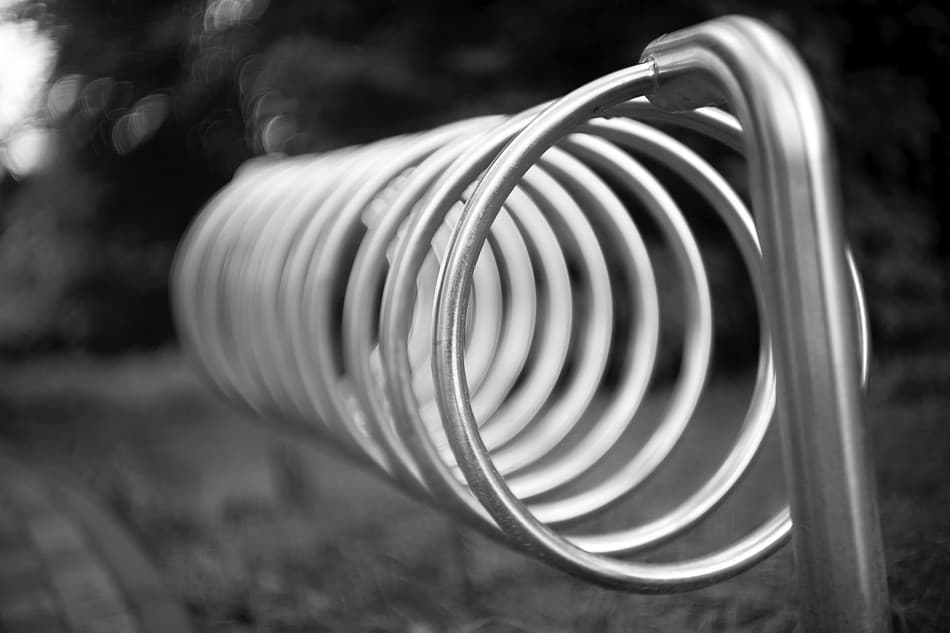
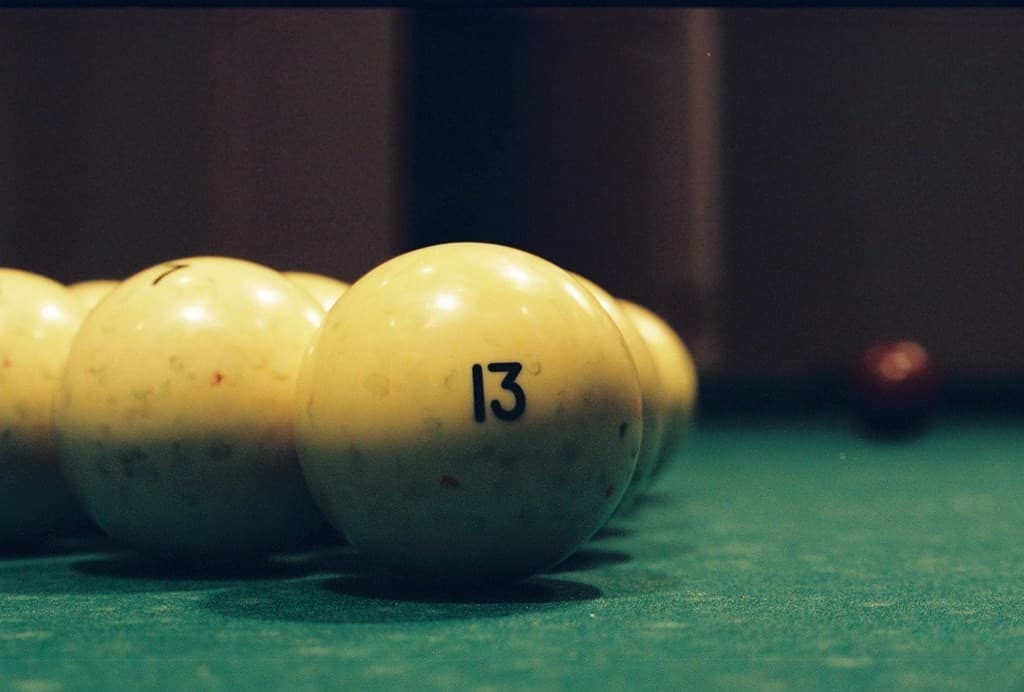

Carl Zeiss Jena Pancolar 50mm f/1.8 เป็นเลนส์ไพรม์มาตรฐานแบบ cult-classic ที่ให้ผลเหนือกว่าชื่อเสียงของ Jena มอบความคมที่ใช้งานได้เมื่อเปิดกว้างสุด สีอิ่ม และไมโครคอนทราสต์ยอดเยี่ยมในบอดีโลหะแบบกะทัดรัด เหมาะสำหรับช่างภาพและวิดีโอช่างที่ต้องการลักษณะวินเทจแต่ยังคงคุณภาพทางดิจิทัล — เลือกรุ่นลายม้าลายแบบเคลือบชั้นเดียวถ้าต้องการลักษณะวินเทจแบบผจญภัย หรือรุ่น MC ถ้าต้องการภาพที่เด้งและสดขึ้น เตรียมรับข้อบกพร่องจากการใช้งานตามวัย เช่น วงแหวนโฟกัสแข็งและสปริงวงแหวนรูรับแสงหลวม