ปีผลิต
1965 – 1975
ผลิตที่
Japan
สูตรเลนส์
7 elements in 6 groups
อัปเดต
16 ก.ค. 2569
M42 · 50mm · f/1.4
ปีผลิต
1965 – 1975
ผลิตที่
Japan
สูตรเลนส์
7 elements in 6 groups
อัปเดต
16 ก.ค. 2569
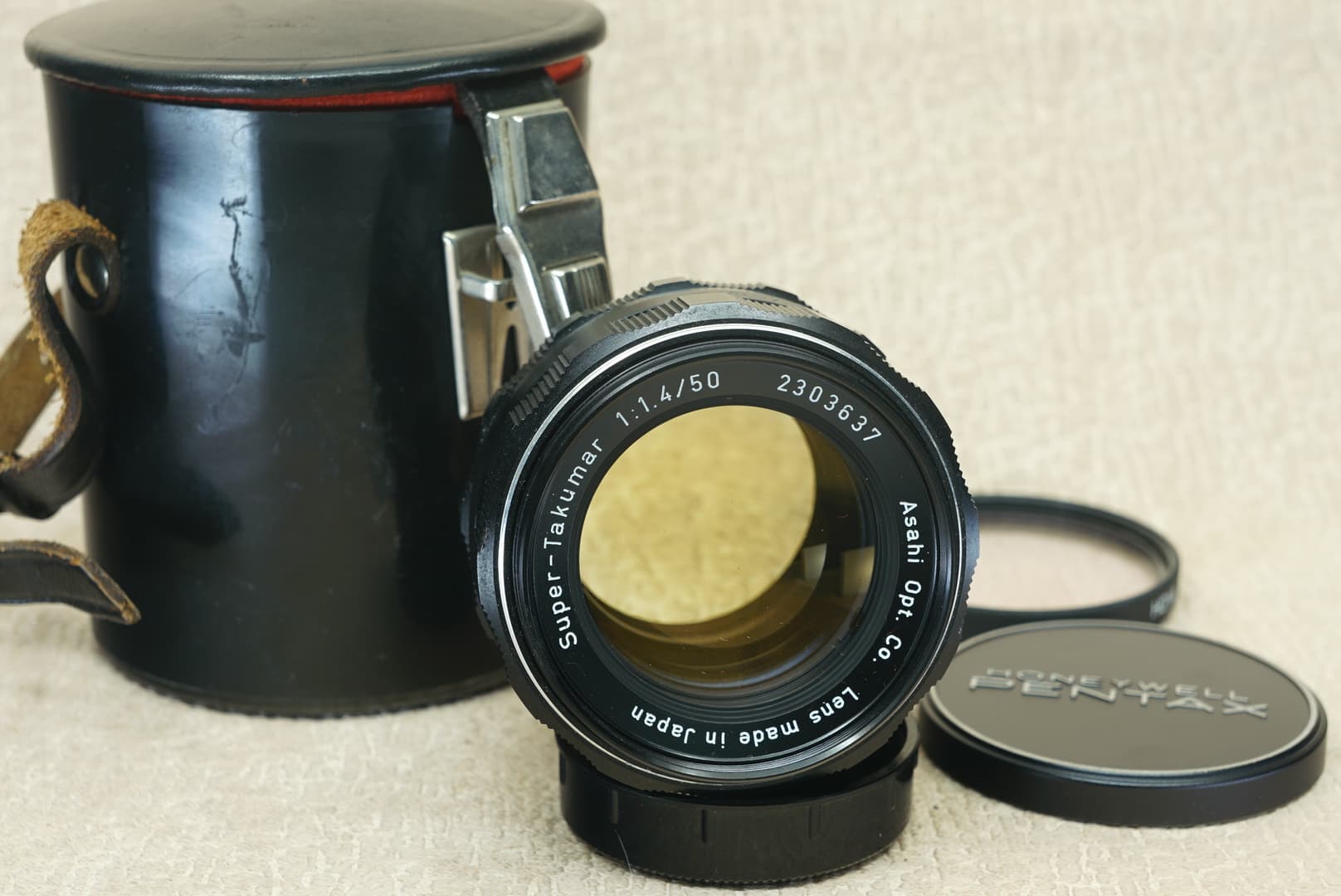
คำว่า 'Takumar 7 Elements' หมายถึงการปรับปรุงทางกระจกเลนส์แบบ 7 ชิ้นของ Asahi Optical Co. (Pentax) ในสายตำนานของเลนส์ 50mm f/1.4 Takumar ผลิตใน M42 สกรูเมาท์ ตั้งแต่กลางทศวรรษ 1960 จนถึงทศวรรษ 1970 ตามบทวิจารณ์ เรื่องราวเริ่มในปี 1964 กับ 'Super Takumar 50mm f/1.4' ต้นฉบับ ซึ่งใช้จำนวนชิ้นเลนส์สูงผิดปกติถึง 8 ชิ้น ในความพยายามที่จะเอาชนะ Zeiss ซึ่งในขณะนั้นถือว่าเป็นผู้ผลิตเลนส์ที่ยอดเยี่ยมที่สุดในโลก ตำนานเล่าว่าการออกแบบ 8 ชิ้นนี้มีต้นทุนการผลิตสูงกว่าที่ Pentax จะตั้งราคาได้ ดังนั้นจึงถูกแทนที่ในปี 1965 ด้วย 'Super Takumar' แบบ 7 ชิ้นที่คุ้มค่าทางการเงินกว่า ทำให้สายนี้ได้ฉายาว่า 'Planar Killer' สูตร 7 ชิ้นนี้ยังคงใช้มาตลอดจนถึง 'Super-Multi-Coated Takumar' ในปี 1971-1972 (7 ชิ้นใน 6 กลุ่ม) และต่อเนื่องในรุ่น 'SMC Takumar' ที่ผลิตจนถึงปี 1975 การเคลือบ Super-Multi-Coating (SMC) ที่แนะนำในรุ่นหลังเหล่านี้เป็นการเปลี่ยนเกมในเวลานั้น ช่วยลดแฟลร์อย่างมีนัยสำคัญและปรับปรุงคอนทราสต์ ตั้งมาตรฐานที่มีอิทธิพลต่อเทคโนโลยีการเคลือบในยุคต่อๆ มา ที่น่าสังเกตคือบทวิจารณ์ระบุว่าการออกแบบ 7 ชิ้นในรุ่นหลังมีชิ้นเลนส์ด้านหลังที่เป็นแก้วกัมมันตรังสี รายงานว่าเพื่อช่วยด้านความคม — แม้ว่านักวิจารณ์จะบอกว่าระดับรังสีต่ำมากและไม่เป็นอันตรายจริงๆ เลนส์นี้ 'ได้รับชื่อเสียงระดับตำนานในอินเทอร์เน็ต' ถูกชื่นชอบในด้านคุณภาพการผลิต ความคม โบเก้ ลักษณะเฉพาะ และสถานะเชิงประวัติศาสตร์ในฐานะคู่แข่งของ Zeiss
สรุป: Takumar 50mm f/1.4 แบบ 7 ชิ้นเป็นคลาสสิค M42 ที่เป็นตำนานสำหรับช่างภาพที่ต้องการเลนส์ไพรม์มาตรฐานจากยุคเก่าที่ผลิตแน่น คม และมี character จริงจัง รวมถึงมีประวัติศาสตร์ในฐานะ 'Planar Killer' ระบบโฟกัสเนียน วงแหวนรูรับแสงที่มีคลิกพอใจ และความทนทานทำให้ใช้งานได้อย่างสนุกบนบอดี้มิเรอร์เลสสมัยใหม่ผ่าน อะแดปเตอร์ ผู้ซื้อควรเลือกเวอร์ชันอย่างตั้งใจ — เลือก SMC เพื่อแฟลร์ที่ลดลง หรือเลือกรุ่นเก่าเพื่อคุณลักษณะแฟลร์ — และทราบถึงวงแหวนโฟกัสหมุนย้อนทิศทางและชิ้นเลนส์ด้านหลังที่เป็นแก้วกัมมันตรังสี (ไม่เป็นอันตราย)
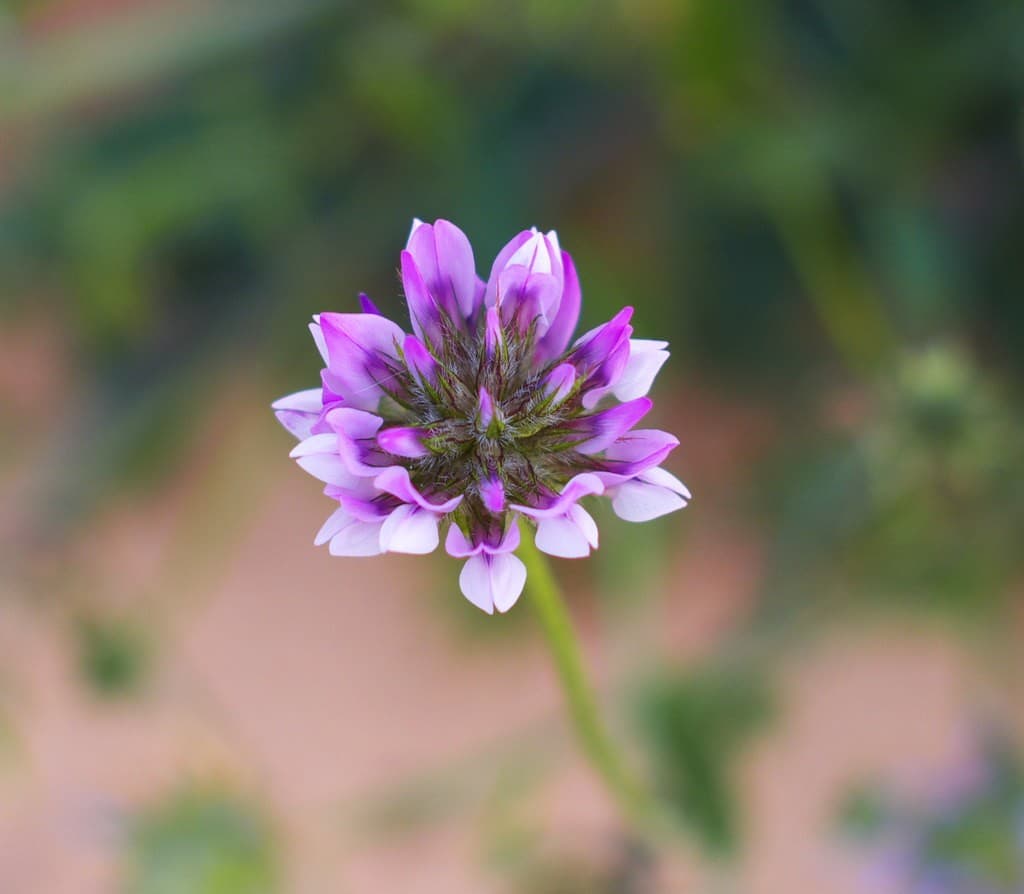
เป็นที่รู้จักเรื่องโบเก้ ซึ่งเบลอฉากหลังอย่างมากเมื่อโฟกัสใกล้สุดที่ 45cm โดยไม่มีเอฟเฟกต์แบบหมุนวนหรือแบบฟอง
เป็นที่รู้จักกันอย่างกว้างขวางในเรื่องความคมชัด โดยมีรายงานว่าชิ้นเลนส์ด้านหลังที่เป็นกัมมันตรังสีในรุ่นหลังๆ ช่วยเสริมด้วย.
รุ่นก่อนหน้านั้นหรือรุ่นที่มีสารเคลือบน้อยมีแนวโน้มเกิดแฟลร์ แต่ในรุ่น Super-Multi-Coated ปัญหานี้ลดลงอย่างมาก
คอนทราสต์ดีขึ้นในรุ่น Super-Multi-Coated เนื่องจากสารเคลือบ SMC
Takumar 50mm f/1.4 แบบ 7 ชิ้นเป็นคลาสสิค M42 ที่เป็นตำนานสำหรับช่างภาพที่ต้องการเลนส์ไพรม์มาตรฐานจากยุคเก่าที่ผลิตแน่น คม และมี character จริงจัง รวมถึงมีประวัติศาสตร์ในฐานะ 'Planar Killer' ระบบโฟกัสเนียน วงแหวนรูรับแสงที่มีคลิกพอใจ และความทนทานทำให้ใช้งานได้อย่างสนุกบนบอดี้มิเรอร์เลสสมัยใหม่ผ่าน อะแดปเตอร์ ผู้ซื้อควรเลือกเวอร์ชันอย่างตั้งใจ — เลือก SMC เพื่อแฟลร์ที่ลดลง หรือเลือกรุ่นเก่าเพื่อคุณลักษณะแฟลร์ — และทราบถึงวงแหวนโฟกัสหมุนย้อนทิศทางและชิ้นเลนส์ด้านหลังที่เป็นแก้วกัมมันตรังสี (ไม่เป็นอันตราย)