ปีผลิต
-
ผลิตที่
Japan
สูตรเลนส์
9 elements in 7 groups, multicoated
อัปเดต
1 ก.ค. 2569
Available in multiple mounts including M42, Pentax K, and Minolta MD · 24mm · f/2.8
ปีผลิต
-
ผลิตที่
Japan
สูตรเลนส์
9 elements in 7 groups, multicoated
อัปเดต
1 ก.ค. 2569
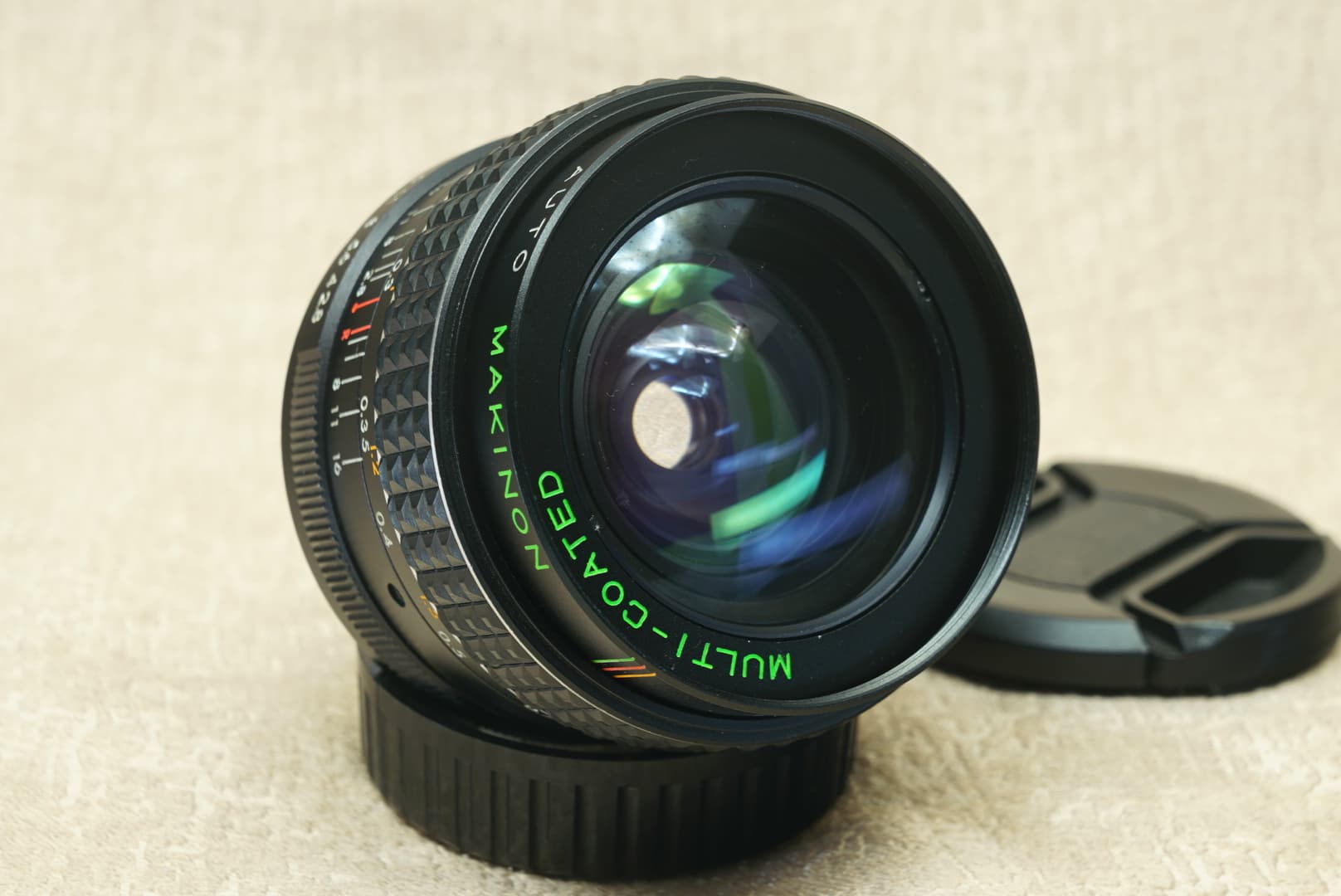
Makinon 24mm f/2.8 เปิดตัวในปลายทศวรรษ 1970 โดย Makina Optical Co. ของญี่ปุ่น บริษัทที่ก่อตั้งในปี 1967 ซึ่งเริ่มธุรกิจด้วยการผลิตเลนส์ OEM ให้แบรนด์ผู้จัดจำหน่ายอย่าง Vivitar, Hanimex และ Toyo Optics ในปี 1974 Makina เริ่มวางขายภายใต้แบรนด์ของตัวเอง 'Makinon' โดยมุ่งกลยุทธ์ที่ให้ผลลัพธ์สูงแต่ราคาจับต้องได้ เลนส์ 24mm ตัวนี้ถูกจำหน่ายภายใต้หลายแบรนด์—ชิ้นออปติกเดียวกันปรากฏในรุ่น Hanimex และ Toyo Optics USA โดยรุ่น Hanimex หาง่ายที่สุดในตลาดมือสอง ขณะที่รุ่นที่ติดแบรนด์ Makinon ค่อนข้างหายากและมักถูกมองข้าม Makina Optical หยุดดำเนินการในทศวรรษ 1980 เมื่อผู้บริโภคย้ายไปสู่ระบบออโต้โฟกัส เลนส์ตัวนี้ได้รับความนิยมในกลุ่มผู้ชื่นชอบกระจกวินเทจและคนที่ทำ cinemod ส่วนใหญ่เพราะโบเก้วน ซึ่งนักวิจารณ์มักเปรียบเทียบโดยตรงกับเลนส์ Helios—และเติมช่องว่างที่สายเลนส์โซเวียตไม่เคยผลิตเลนส์สวิร์ลขนาด 24mm คนชื่นชอบมันเพราะราคาต่ำมาก (มักราว $15-$20), โครงสร้างโลหะทั้งตัวที่แข็งแรง และคาแรกเตอร์ที่โดดเด่น ไม่มีชื่อเล่นที่เป็นที่ยอมรับในรีวิว
สรุป: Makinon 24mm f/2.8 เป็นเลนส์มือหมุนมุมกว้างที่มีคาแรกเตอร์และราคาย่อมเยา เหมาะกับช่างภาพภาพยนตร์และช่างถ่ายสร้างสรรค์ที่ต้องการโบเก้วนสไตล์ Helios ในระยะโฟกัสที่สายโซเวียตไม่เคยมี ยอมรับขอบที่นุ่ม ฝ้าอุ่น และแนวโน้มการเกิดแฟลร์เป็นส่วนหนึ่งของเสน่ห์ ควบคุมด้วยแม็ตบ็อกซ์และการหรี่รูรับแสง แล้วมันจะให้จุดกลางที่คม ช่วงสีที่น่าพอใจ และลุคที่คล้ายอานาโมร์ฟิกในราคาย่อมเยา มันไม่ใช่เลนส์ที่คมทั้งมุมต่อมุม แต่สำหรับการถ่ายโคลสอัพเชิงศิลป์และการจัดเฟรมแบบภาพยนตร์แล้วให้ผลเกินราคา
โบเก้แบบหมุนวน (swirly bokeh) คล้ายกับเลนส์ Helios ซึ่งจะเด่นชัดที่สุดในการถ่ายระยะใกล้ โดยไฮไลต์ตรงกลางเป็นวงกลม และโบเก้รอบข้างจะเป็นรูปวงรีขนาดใหญ่เมื่อโฟกัสใกล้สุด
การเรนเดอร์ออกมาในโทนอุ่นพร้อมความอิ่มตัวของสีที่ได้รับคำชม โดยแสงแฟลร์และเฮซช่วยเสริมเอฟเฟกต์ความอบอุ่นให้ภาพ
คมชัดตรงกลางเมื่อใช้รูรับแสงกว้างสุด แต่ขอบภาพค่อนข้างนุ่มนวล จะดีขึ้นอย่างเห็นได้ชัดเมื่อลดรูรับแสงลงเป็น f/5.6
มักมีแสงแฟลร์และภาพฟุ้งค่อนข้างรุนแรง โดยเฉพาะเมื่อถ่ายย้อนแสง และให้โทนสีค่อนข้างอุ่น จึงแนะนำให้ใช้แมตต์บ็อกซ์
ความเปรียบต่างจะดีขึ้นอย่างมากเมื่อหรี่รูรับแสงลงเหลือ f/5.6; แต่ในสภาพย้อนแสงที่มีฝ้าหรือหมอก การเปิดรูรับแสงกว้างสุดจะทำให้ความเปรียบต่างลดลง
ปรากฏเมื่อเปิดรูรับแสงกว้างสุดโดยตรงกลางภาพจะสว่างกว่า; อาการดังกล่าวจะหายไปเกือบทั้งหมดเมื่อหรี่รูรับแสงลงเหลือประมาณ f/4
Makinon 24mm f/2.8 เป็นเลนส์มือหมุนมุมกว้างที่มีคาแรกเตอร์และราคาย่อมเยา เหมาะกับช่างภาพภาพยนตร์และช่างถ่ายสร้างสรรค์ที่ต้องการโบเก้วนสไตล์ Helios ในระยะโฟกัสที่สายโซเวียตไม่เคยมี ยอมรับขอบที่นุ่ม ฝ้าอุ่น และแนวโน้มการเกิดแฟลร์เป็นส่วนหนึ่งของเสน่ห์ ควบคุมด้วยแม็ตบ็อกซ์และการหรี่รูรับแสง แล้วมันจะให้จุดกลางที่คม ช่วงสีที่น่าพอใจ และลุคที่คล้ายอานาโมร์ฟิกในราคาย่อมเยา มันไม่ใช่เลนส์ที่คมทั้งมุมต่อมุม แต่สำหรับการถ่ายโคลสอัพเชิงศิลป์และการจัดเฟรมแบบภาพยนตร์แล้วให้ผลเกินราคา