ปีผลิต
1964
ผลิตที่
Japan
สูตรเลนส์
6 elements in 5 groups, Double-Gauss derivative design
อัปเดต
16 ก.ค. 2569
Canon FL (requires adapter for FD bodies) · 58mm · f/1.2
ปีผลิต
1964
ผลิตที่
Japan
สูตรเลนส์
6 elements in 5 groups, Double-Gauss derivative design
อัปเดต
16 ก.ค. 2569
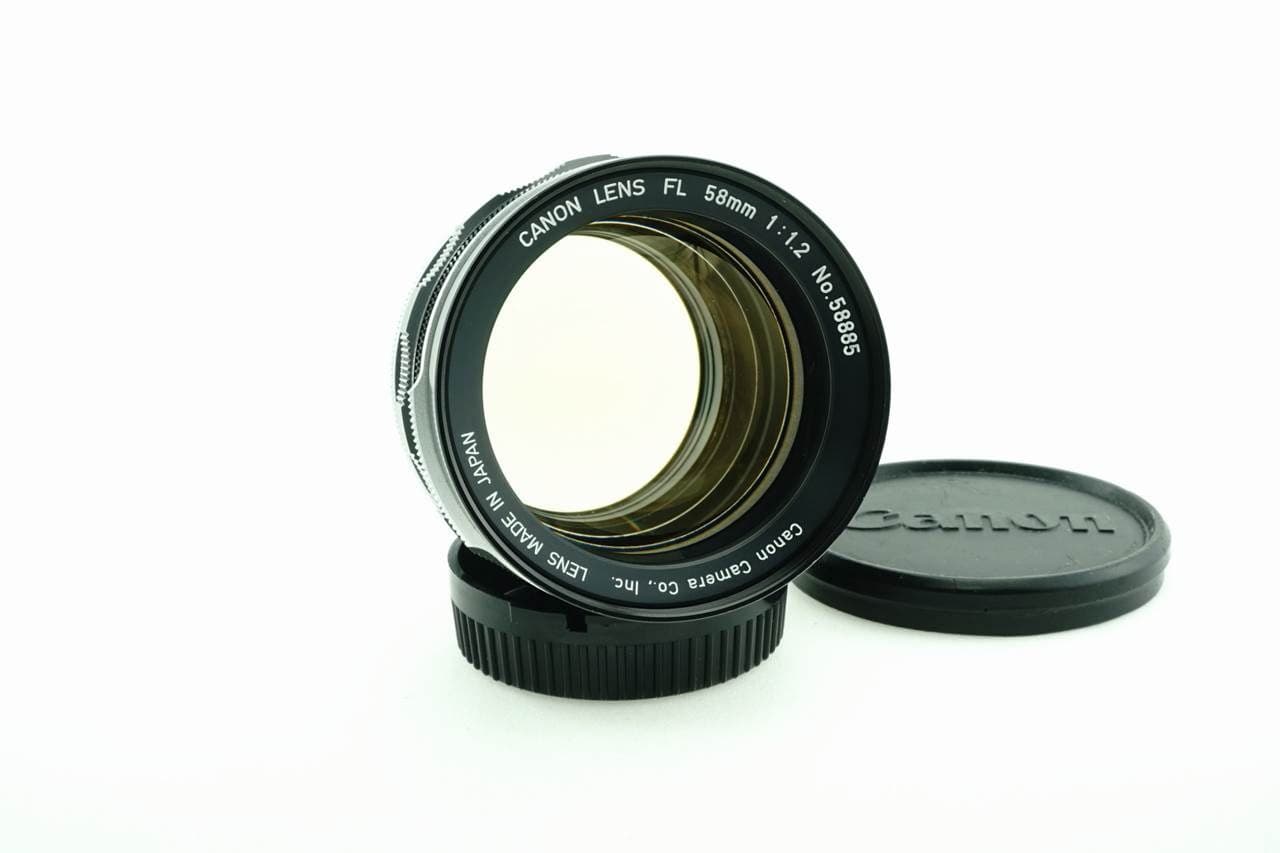
Canon FD 55mm f/1.2 และทายาท Canon FD 50mm f/1.2 เป็นเลนส์มาตรฐานระดับเรือธงของ Canon ในยุค FD แต่การอ้างถึง 58mm f/1.2 ดูเหมือนจะเป็นการผสมปนเปหรือตัวเลขผิดพลาด Canon ไม่เคยผลิต 58mm f/1.2 ในเมาท์ FD อย่างไรก็ตาม Canon เคยผลิตตำนาน FL 58mm f/1.2 ออกมาในปี 1964 ซึ่งเป็นหนึ่งในเลนส์มาตรฐานที่มีความเร็วรูรับแสงสูงสุดในยุคนั้นและออกมาก่อนระบบเมาท์ FD เลนส์ชิ้นนี้ถูกพัฒนาระหว่างการแข่งขันอย่างดุเดือดของ Canon กับ Nikon ในตลาดระดับมืออาชีพ FL 58mm f/1.2 ใช้การออกแบบ double-Gauss 6 ชิ้นใน 5 กลุ่ม และเป็นตัวแทนความสามารถด้านกระจกเลนส์ของ Canon ในการออกแบบเลนส์ความเร็วสูง เมื่อ Canon เปลี่ยนไปสู่เมาท์ FD ในปี 1971 พวกเขาได้ออก FD 55mm f/1.2 และต่อมา FD 50mm f/1.2 รวมถึง FD 50mm f/1.2 L (มีชิ้นเลนส์ aspherical) FL 58mm f/1.2 ได้รับความเคารพจากผู้ชื่นชอบเลนส์มือหมุนด้วยการเรนเดอร์แบบคลาสสิกและความสำคัญทางประวัติศาสตร์ในฐานะบรรพบุรุษของสายเลนส์ f/1.2 อันเลื่องชื่อของ Canon เลนส์นี้ไม่มีชื่อเล่นที่แพร่หลายในชุมชนมากนัก แต่บางครั้งจะถูกหยิบมาอ้างถึงควบคู่ไปกับการสนทนาเรื่อง 'Dream Lens' เมื่อพูดถึงแก้วเรซินมือหมุนที่มีรูรับแสงกว้าง ความนิยมลัทธินี้มาจากความหายาก ตำแหน่งในฐานะเลนส์มาตรฐาน f/1.2 ตัวแรกของ Canon และการเรนเดอร์ที่มีเอกลักษณ์แบบวินเทจซึ่งแตกต่างอย่างชัดเจนจากรุ่น FD ที่ตามมา
สรุป: Canon FL 58mm f/1.2 เหมาะกับช่างภาพที่ให้ความสำคัญกับตัวตนและโทนภาพมากกว่าความสมบูรณ์แบบแบบคลินิก มันตอบแทนผู้ที่แสวงหาลักษณะวินเทจเฉพาะตัวที่ไม่สามารถทำซ้ำได้ด้วยการปรับแต่งหลังการถ่ายหรือฟิลเตอร์ ช่างภาพพอร์ตเทรตที่ทำงานในสภาพแสงควบคุมได้ ช่างภาพงานศิลปะที่ยอมรับความไม่สมบูรณ์ และนักสะสมประวัติศาสตร์ Canon จะพบว่ามันมีเสน่ห์ แต่มันไม่เหมาะกับคนที่เน้นตรวจความละเอียดระดับพิกเซล ช่างภาพกีฬา หรือใครก็ตามที่คาดหวังมาตรฐานการทำงานแบบสมัยใหม่ เลนส์ชิ้นนี้ต้องการความอดทน เทคนิค และความชื่นชมต่อการเรนเดอร์แบบออร์แกนิกของการออกแบบกระจกเลนส์ในทศวรรษ 1960 ที่ราคาตลาดปัจจุบันถือเป็นทางเข้าที่เข้าถึงได้สู่โลกของเลนส์มือหมุนรูรับแสงกว้าง ตราบใดที่ผู้ซื้อเข้าใจและยอมรับข้อจำกัดเหล่านี้ในฐานะคุณสมบัติมากกว่าจุดบกพร่อง
โบเก้ที่มีลักษณะวุ่นวายและกระสับกระส่าย มีไฮไลต์ที่มีขอบเป็นเส้นและขอบเป็นรูปทรงมะนาวเนื่องจากขอบดำจากกลไกการทำงาน; โบเก้ฉากหน้ามักจะคมกระด้างกว่า
ให้โทนอุ่นอมเหลืองเล็กน้อย ตามสไตล์กระจกเลนส์ยุค 1960 ที่เคลือบด้วยสารเคลือบชั้นเดียว สีอิ่มตัวแต่ไม่จัดจ้าน และให้โทนสีผิวดูสวยเป็นธรรมชาติ
ตรงกลางนุ่มที่ f/1.2 มีแสงฟุ้งเด่นจากความคลาดทรงกลม; ค่อนข้างดีที่ f/2.8 และให้ประสิทธิภาพสูงสุดที่ f/5.6-f/8
มีแนวโน้มเกิดแฟลร์สูงมากเนื่องจากสารเคลือบชั้นเดียว; จะมีแฟลร์แบบปกคลุมรุนแรงและเงาซ้อนเป็นสีเมื่อถ่ายไปทางแหล่งกำเนิดแสง
คอนทราสต์โดยรวมค่อนข้างต่ำถึงปานกลางเมื่อเปิดกว้างสุด โดยมีแฟลร์แบบปกคลุมทำให้ความลึกของเงาลดลง; ไมโครคอนทราสต์ดีขึ้นอย่างมากที่ f/2.8
ขอบดำมากเมื่อเปิดกว้างสุด ประมาณ 2-2.5 สต็อปที่มุม; ลดลงอย่างมากเมื่อหรี่รูรับแสงเป็น f/2.8 และควบคุมได้มากโดย f/4
Canon FL 58mm f/1.2 เหมาะกับช่างภาพที่ให้ความสำคัญกับตัวตนและโทนภาพมากกว่าความสมบูรณ์แบบแบบคลินิก มันตอบแทนผู้ที่แสวงหาลักษณะวินเทจเฉพาะตัวที่ไม่สามารถทำซ้ำได้ด้วยการปรับแต่งหลังการถ่ายหรือฟิลเตอร์ ช่างภาพพอร์ตเทรตที่ทำงานในสภาพแสงควบคุมได้ ช่างภาพงานศิลปะที่ยอมรับความไม่สมบูรณ์ และนักสะสมประวัติศาสตร์ Canon จะพบว่ามันมีเสน่ห์ แต่มันไม่เหมาะกับคนที่เน้นตรวจความละเอียดระดับพิกเซล ช่างภาพกีฬา หรือใครก็ตามที่คาดหวังมาตรฐานการทำงานแบบสมัยใหม่ เลนส์ชิ้นนี้ต้องการความอดทน เทคนิค และความชื่นชมต่อการเรนเดอร์แบบออร์แกนิกของการออกแบบกระจกเลนส์ในทศวรรษ 1960 ที่ราคาตลาดปัจจุบันถือเป็นทางเข้าที่เข้าถึงได้สู่โลกของเลนส์มือหมุนรูรับแสงกว้าง ตราบใดที่ผู้ซื้อเข้าใจและยอมรับข้อจำกัดเหล่านี้ในฐานะคุณสมบัติมากกว่าจุดบกพร่อง