ปีผลิต
1984
ผลิตที่
Japan
สูตรเลนส์
8 elements in 6 groups
อัปเดต
16 ก.พ. 2569
Nikonos · 20mm · f/2.8
ปีผลิต
1984
ผลิตที่
Japan
สูตรเลนส์
8 elements in 6 groups
อัปเดต
16 ก.พ. 2569
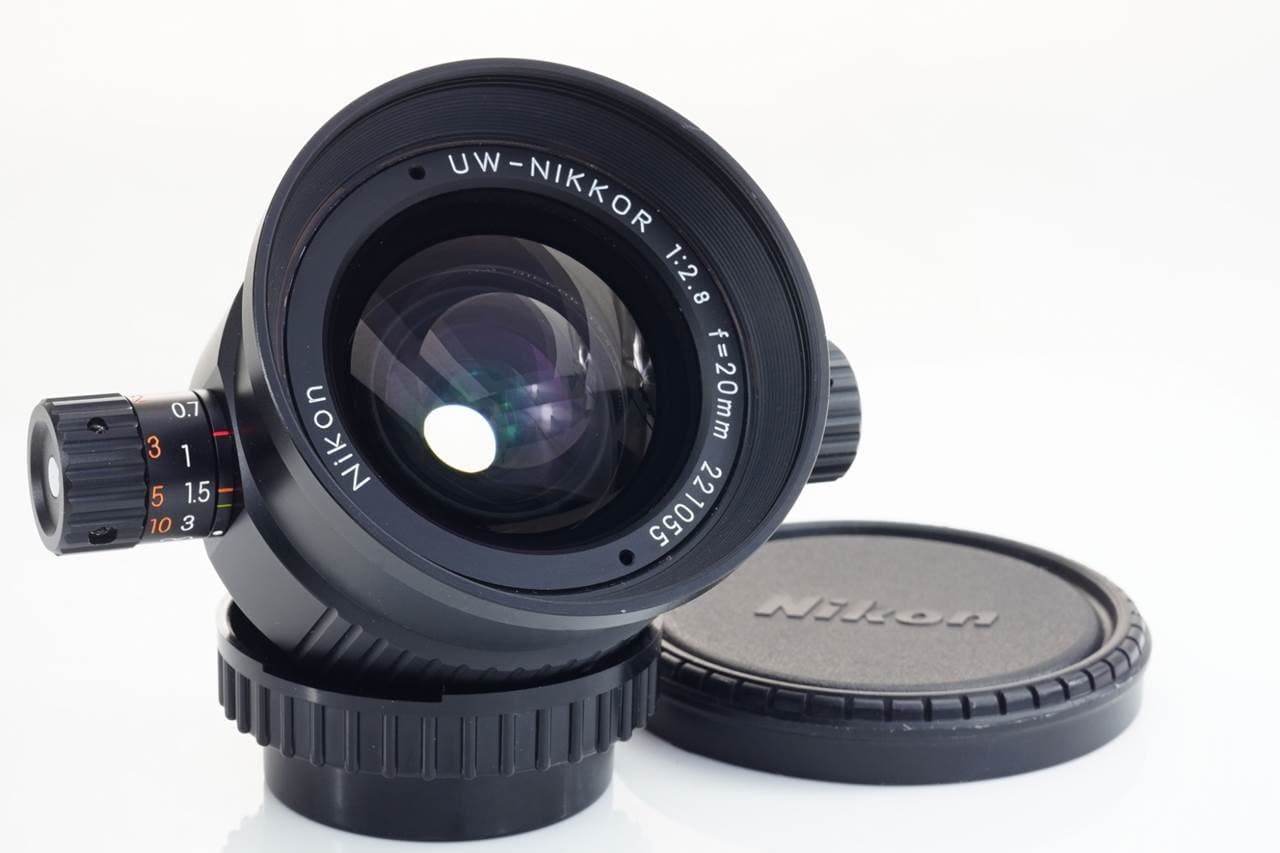
เลนส์ Nikon UW-Nikkor 20mm f/2.8 ถูกพัฒนาเป็นส่วนหนึ่งของระบบกล้องใต้น้ำ Nikonos ที่เลื่องลือของ Nikon ซึ่งเริ่มในปี 1963 เมื่อ Nikon ได้สิทธิ์ในการออกแบบกล้อง Calypso ของ Jacques-Yves Cousteau. เลนส์ UW-Nikkor 20mm f/2.8 ปรากฏตัวในต้นทศวรรษ 1980 ในฐานะเครื่องมือสำคัญสำหรับช่างภาพใต้น้ำที่จริงจัง ซึ่งต้องการมุมมองที่กว้างเพื่อบันทึกชีวิตทะเลและสภาพแวดล้อมใต้น้ำ. ไม่เหมือนกับเลนส์เมาท์ F มาตรฐานของ Nikon เลนส์นี้เป็นกระจกเลนส์เฉพาะสำหรับใต้น้ำที่ออกแบบมาให้ใช้งานเฉพาะเมื่อลงน้ำเท่านั้น—ไม่สามารถโฟกัสได้อย่างถูกต้องในอากาศเนื่องจากการคำนวณทางแสงอิงกับดัชนีหักเหของน้ำ. เลนส์ตัวนี้สะท้อนถึงความมุ่งมั่นของ Nikon ต่อ ตลาดการถ่ายภาพใต้น้ำระดับมืออาชีพ และถูกออกแบบให้มีกระจกเลนส์ที่สัมผัสน้ำโดยตรง ซึ่งหมายความว่า ชิ้นเลนส์ด้านหน้าถูกออกแบบให้ทำงานโดยสัมผัสกับน้ำแทนอากาศ. ระบบ Nikonos สร้างฐานผู้ติดตามเกือบเหมือนลัทธิในหมู่ช่างภาพใต้น้ำ นักชีววิทยาทางทะเล และผู้สร้างภาพยนตร์สารคดี. 20mm เป็นที่รักเป็นพิเศษเพราะให้ความสมดุลใกล้เคียงกับอุดมคติระหว่างการครอบคลุมมุมกว้าง (ประมาณ 94° ใต้น้ำ) ในขณะที่ยังคงความคมชัดดีมากสำหรับการบันทึกระบบแนวปะการัง ซากเรือ และสัตว์ทะเลขนาดใหญ่. เมื่อ Nikon ยุติระบบ Nikonos ในปี 2001 เลนส์เหล่านี้กลายเป็นของสะสมที่เป็นที่ต้องการสูงและยังคงเป็นเครื่องมือทำงานหลักสำหรับช่างภาพใต้น้ำที่ใช้ฟิล์มซึ่งไม่ยอมละทิ้งระบบนี้.
สรุป: Nikon UW-Nikkor 20mm f/2.8 เป็นเครื่องมือเฉพาะทางคุณภาพเยี่ยมสำหรับจุดประสงค์ที่ชัดเจนมาก: การถ่ายภาพใต้น้ำด้วยฟิล์มบนระบบ Nikonos ให้ประสิทธิภาพทางกระจกเลนส์ที่สมเหตุสมผลกับราคาชุดมืออาชีพเมื่อสมัยออกใหม่และยังคงเป็นมาตรฐานสำหรับเลนส์มุมกว้างใต้น้ำสำหรับผู้ที่ทุ่มเท นี่ไม่ใช่เลนส์สำหรับช่างภาพเล่นหรือผู้ที่มองหาความหลากหลาย—มันแทบจะไม่สามารถใช้งานเหนือผิวน้ำได้เลย เหมาะสำหรับช่างภาพถ่ายใต้น้ำด้วยฟิล์มที่ยึดมั่นในเวิร์กโฟลว์ของระบบ Nikonos นักชีววิทยาทางทะเลที่บันทึกงานภาคสนามด้วยฟิล์ม หรือผู้สะสมอุปกรณ์มรดกมืออาชีพของ Nikon สำหรับผู้ใช้งานเหล่านี้ มันเป็นชิ้นส่วนประวัติศาสตร์การถ่ายภาพใต้น้ำที่ทดแทนไม่ได้พร้อมคุณภาพภาพที่ยังคงน่าประทับใจหลายทศวรรษหลังการเปิดตัว
เนื่องจากระยะโฟกัสกว้าง ความลึกของสนาม (Depth of Field) ที่กว้างจึงเป็นเรื่องปกติ; เมื่อสามารถสร้างความลึกของสนามตื้น (Shallow DOF) ได้ที่ระยะโฟกัสใกล้ การเรนเดอร์ที่นอกโฟกัสจะมีความนุ่มนวลและไม่รบกวนสายตา
การเรนเดอร์สีที่เป็นกลางถึงเย็นเล็กน้อยใต้น้ำ ได้รับการออกแบบมาให้ทำงานร่วมกันได้อย่างกลมกลืนกับสเปกตรัมใต้น้ำที่มีสีน้ำเงิน-เขียวเป็นหลัก
ความคมชัดที่ยอดเยี่ยมทั่วทั้งเฟรมเมื่ออยู่ใต้น้ำ; ความคมชัดที่กลางภาพโดดเด่นเมื่อเปิดรูรับแสงกว้าง, ประสิทธิภาพสูงสุดที่ f/5.6-f/8; ไม่สามารถทำให้โฟกัสได้อย่างถูกต้องในอากาศตามการออกแบบ.
ควบคุมแสงแฟลร์ได้ดีด้วยการเคลือบหลายชั้นที่มีประสิทธิภาพ; รักษาความคมชัดได้ดีเมื่อถ่ายภาพในทิศทางที่มีแสงแดดส่องผ่านผิวน้ำ โดยมีแสงจ้าเพียงเล็กน้อย.
มีไมโครคอนทราสต์ที่แข็งแกร่งเพื่อการถ่ายทอดรายละเอียดที่ยอดเยี่ยมบนพื้นผิวที่มีลวดลาย; คอนทราสต์ทั่วโลกในระดับปานกลางช่วยรักษารายละเอียดในเงาในสภาพแสงใต้น้ำที่ท้าทาย
มีการเกิด vignetting น้อยมากที่ค่ารูรับแสง f/5.6-f/8; มีการทำให้มุมมืดเล็กน้อยที่ f/2.8 แต่โดยทั่วไปไม่เป็นที่น่ารำคาญและมักจะถูกปกปิดโดยการลดแสงธรรมชาติใต้น้ำ.
Nikon UW-Nikkor 20mm f/2.8 เป็นเครื่องมือเฉพาะทางคุณภาพเยี่ยมสำหรับจุดประสงค์ที่ชัดเจนมาก: การถ่ายภาพใต้น้ำด้วยฟิล์มบนระบบ Nikonos ให้ประสิทธิภาพทางกระจกเลนส์ที่สมเหตุสมผลกับราคาชุดมืออาชีพเมื่อสมัยออกใหม่และยังคงเป็นมาตรฐานสำหรับเลนส์มุมกว้างใต้น้ำสำหรับผู้ที่ทุ่มเท นี่ไม่ใช่เลนส์สำหรับช่างภาพเล่นหรือผู้ที่มองหาความหลากหลาย—มันแทบจะไม่สามารถใช้งานเหนือผิวน้ำได้เลย เหมาะสำหรับช่างภาพถ่ายใต้น้ำด้วยฟิล์มที่ยึดมั่นในเวิร์กโฟลว์ของระบบ Nikonos นักชีววิทยาทางทะเลที่บันทึกงานภาคสนามด้วยฟิล์ม หรือผู้สะสมอุปกรณ์มรดกมืออาชีพของ Nikon สำหรับผู้ใช้งานเหล่านี้ มันเป็นชิ้นส่วนประวัติศาสตร์การถ่ายภาพใต้น้ำที่ทดแทนไม่ได้พร้อมคุณภาพภาพที่ยังคงน่าประทับใจหลายทศวรรษหลังการเปิดตัว