ปีผลิต
1972 – 1978
ผลิตที่
Japan
สูตรเลนส์
7 elements in 6 groups, likely modified Double-Gauss configuration
อัปเดต
11 ก.พ. 2569
M42 · 50mm · f/1.4
ปีผลิต
1972 – 1978
ผลิตที่
Japan
สูตรเลนส์
7 elements in 6 groups, likely modified Double-Gauss configuration
อัปเดต
11 ก.พ. 2569
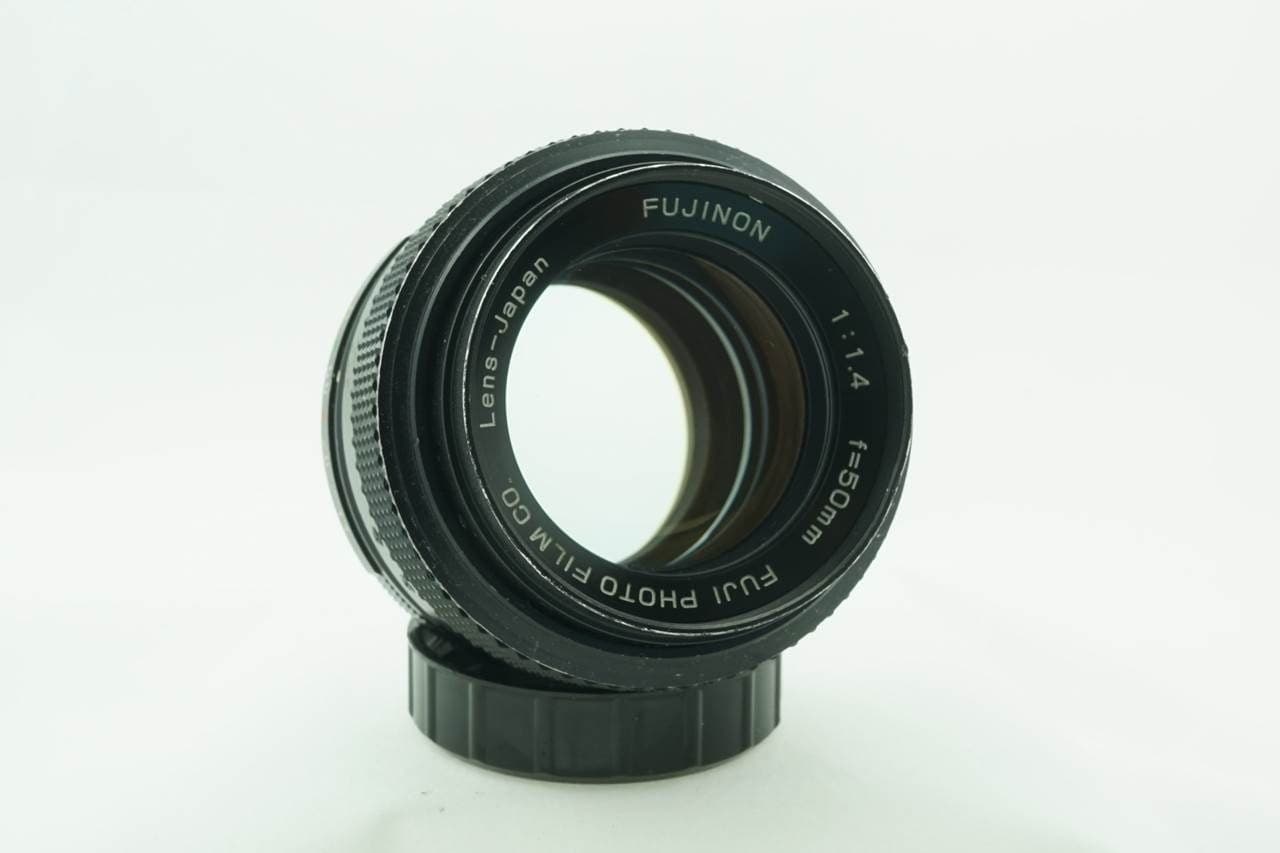
The Fuji Fujinon 50mm f/1.4 in M42 mount represents an important chapter in Fujifilm's optical history before the company became primarily known for its film stocks and later mirrorless cameras. Produced during the 1970s, this lens was part of Fuji's ambitious push into the interchangeable lens camera market with their ST series of M42 mount SLRs (ST601, ST701, ST801, ST901). Fuji had been manufacturing high-quality optics since the 1940s, initially for cinema and later for their medium format cameras, and this expertise was channeled into their 35mm lens lineup. The lens was developed during a golden era of Japanese optical competition when manufacturers like Pentax, Canon, Nikon, and numerous third parties were all vying for supremacy in the M42 ecosystem. Fuji's approach was characteristically thorough - they utilized their EBC (Electron Beam Coating) multi-coating technology, which was among the most advanced of its era, developed through their experience in broadcast and cinema optics. The lens doesn't carry a widely established nickname in the community, though it's sometimes referenced among collectors as simply the 'Fujinon EBC' to distinguish it from later Fuji lens lines. Its cult following stems from its relative obscurity compared to the dominant Pentax Takumars and the exceptional rendering quality that surprises those who discover it. Enthusiasts prize it as an undervalued gem - a lens that delivers optical performance rivaling or exceeding its more famous contemporaries at a fraction of the collector premium, making it a favorite among those who prioritize image quality over brand recognition.
สรุป: The Fuji Fujinon 50mm f/1.4 M42 is an exceptional value proposition for photographers who prioritize optical quality over collectible cachet. It delivers performance that competes with or exceeds more famous alternatives like the Super Takumar 50mm f/1.4 while typically costing less and offering superior flare resistance through its EBC coating. This lens is ideal for the practical vintage lens user - someone who wants beautiful rendering, solid build quality, and genuine wide-aperture usability without paying the premium attached to more hyped alternatives. It's particularly well-suited to portrait and street photographers adapting M42 glass to modern mirrorless systems. Those seeking dramatic optical effects (swirly bokeh, pronounced flare) or maximum collectibility should look elsewhere, but for those wanting a refined, capable fast fifty that quietly excels, the Fujinon rewards investigation.
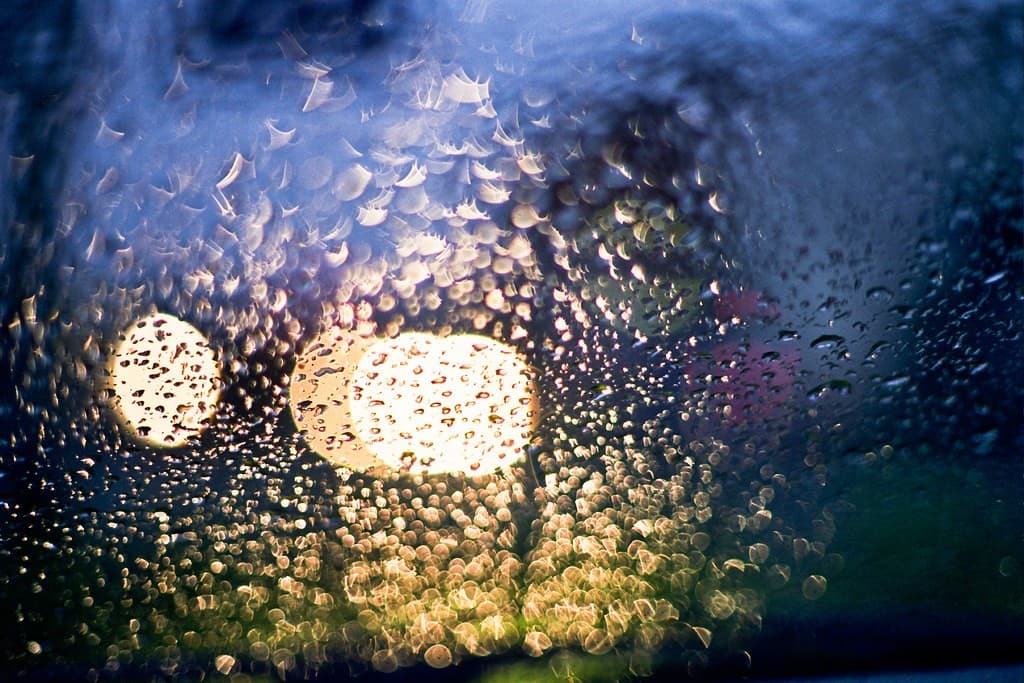
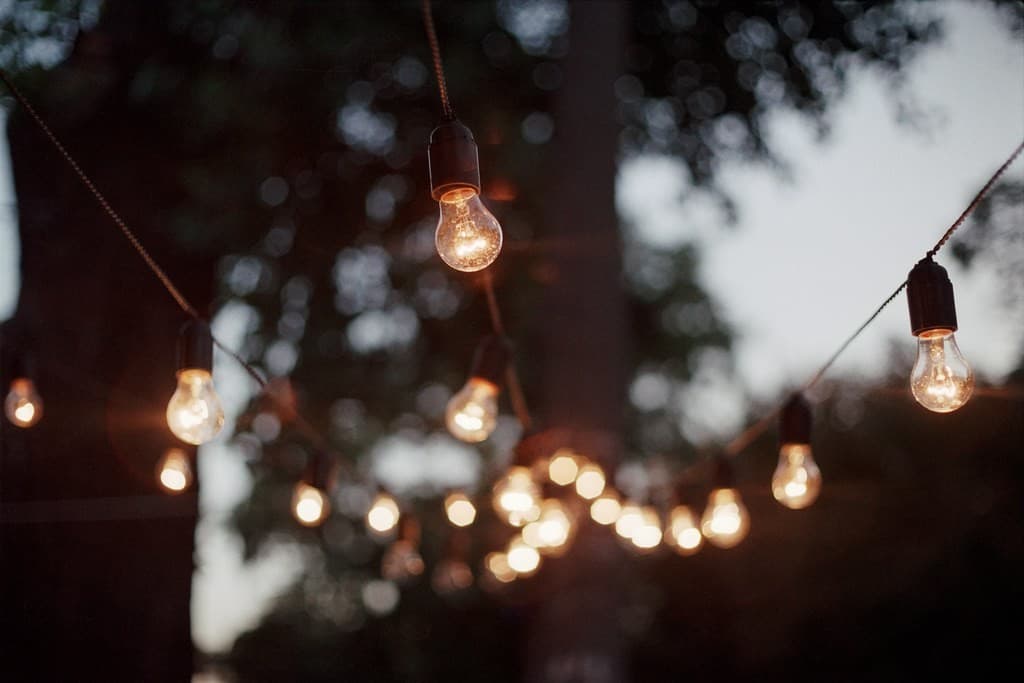
โบเก้ที่เรียบเนียนและครีมมี่จากใบมีด 6 ใบ สร้างไฮไลท์ที่มีลักษณะเป็นรูปหกเหลี่ยมเล็กน้อยเมื่อปรับรูรับแสงลง; ไฮไลท์เมื่อเปิดกว้างจะมีลักษณะเป็นวงกลมที่ค่อนข้างดี พร้อมกับการเว้าเข้าที่ขอบเล็กน้อยแบบแมวตา (cat's-eye vignetting)
มีความเป็นกลางถึงอุ่นเล็กน้อย พร้อมการแยกสีที่ยอดเยี่ยม; สีแดงและสีเหลืองถูกถ่ายทอดออกมาอย่างมีมิติ สีเขียวคงความหลากหลายตามธรรมชาติ ขณะที่สีน้ำเงินมีแนวโน้มที่จะให้การแสดงผลที่ลึกขึ้นเล็กน้อยตามธรรมชาติ
ความคมชัดที่กลางภาพยอดเยี่ยมเมื่อเปิดรูรับแสงกว้าง; มุมภาพจะดีขึ้นอย่างรวดเร็วเมื่อใช้รูรับแสง f/2.8 และจะสามารถให้ความคมชัดที่ยอดเยี่ยมทั่วทั้งกรอบที่ f/5.6-f/8 ซึ่งสามารถแข่งขันกับเลนส์สมัยใหม่ได้
การเคลือบ EBC ให้ความต้านทานแสงแฟลร์ที่ยอดเยี่ยมสำหรับยุคของมัน โดยสามารถควบคุมการเกิดแฟลร์แบบเบลอได้ดี พร้อมกับการเกิดอาร์ติเฟกต์สีม่วงหรือเขียวที่ไม่เด่นชัด แทนที่จะเป็นลวดลายแฟลร์ที่ชัดเจนและโดดเด่น
คอนทราสต์ทั่วโลกในระดับปานกลางถึงสูงช่วยให้ภาพมีความโดดเด่นโดยไม่ทำให้เงาหายไป; ไมโครคอนทราสต์เป็นจุดแข็งที่สำคัญซึ่งช่วยให้การสร้างมิติของภาพมีความชัดเจนยิ่งขึ้น
มีการเกิด vignetting ที่ชัดเจนเมื่อเปิดรูรับแสงกว้าง (ประมาณ 1.5-2 สตอปที่มุม) ซึ่งจะค่อยๆ ลดลง; ลดลงอย่างมากเมื่อใช้ f/2.8 และแทบไม่เหลือเมื่อใช้ f/4.
อะแดปเตอร์จริงจากร้านที่ใช้กับเมาท์ของเลนส์นี้ได้
Standard · ฿325 · มีสินค้า
Standard · ฿325 · มีสินค้า
Standard · ฿325 · มีสินค้า
Standard · ฿325 · มีสินค้า
Standard · ฿540 · มีสินค้า
Standard · ฿540 · มีสินค้า
Standard · ฿540 · มีสินค้า
Standard · ฿540 · มีสินค้า
Standard · ฿540 · มีสินค้า
Standard · ฿1,250 · มีสินค้า
Standard · ฿890 · หมด
Standard · ฿890 · หมด




The Fuji Fujinon 50mm f/1.4 M42 is an exceptional value proposition for photographers who prioritize optical quality over collectible cachet. It delivers performance that competes with or exceeds more famous alternatives like the Super Takumar 50mm f/1.4 while typically costing less and offering superior flare resistance through its EBC coating. This lens is ideal for the practical vintage lens user - someone who wants beautiful rendering, solid build quality, and genuine wide-aperture usability without paying the premium attached to more hyped alternatives. It's particularly well-suited to portrait and street photographers adapting M42 glass to modern mirrorless systems. Those seeking dramatic optical effects (swirly bokeh, pronounced flare) or maximum collectibility should look elsewhere, but for those wanting a refined, capable fast fifty that quietly excels, the Fujinon rewards investigation.